Flash Photography
What Is Flash Photography?
Like the name implies, flash photography is photography using a flash. The primary purpose of flash photography is to illuminate a dark scene. It’s thus used when indoors or when ambient light outside is not enough. Although most people use flash photography for this reason, it has other uses as well.
A photographer can, for instance, use it when capturing moving subjects or changing the quality of the light. This can enhance photographs or give dramatic effect where it’s needed.
Flash photography is versatile and can be used in several forms of photography, from portraiture, fashion, real estat, and wildlife photography.
Types of Flashes
There are a large variety of flashes available on the market today. They are commonly built into the camera, but more advanced flashes are external units which fit to the hot shoe of the camera.
Most of these advanced flashes offer adjustable intensity and duration of the flash. This enables the photographer to adjust the flash according to their needs and the subject they’re working with. Many also have the choice of remote triggering where the flash can be triggered away from the camera.
Besides the flashes mentioned above, there are also many specialized flashes available. These include:
• Ring flashes which fit to the lens of the camera and reduces shadows in macro photography.
• High speed flashes that flashes many times in a short duration. These flashes are used in science or by engineers.
• Multi-flash systems that flash light from different directions and is used in technical or medical imagery.
• Standalone units such as strobe flashes that is used in studio photography.
There are also some techniques, with some accessories, that flash photographers use. Some ways are:
• Soft boxes, which diffuse the light, taking away the harshness and making it softer.
• Fill flash, which is used to supplement light in darker areas of the frame.
• Bounce flash where the photographer directs the flash at a reflective surface like an umbrella. In this way it can serve as a fill flash or to supply ambient lighting.
Besides these there are several other techniques and tools available like manually-triggered flash, colored gels, and strobing. With all the tools available, the possibilities with flash photography are endless.
In the articles below, read about Flash Photography tips, tutorials and news.
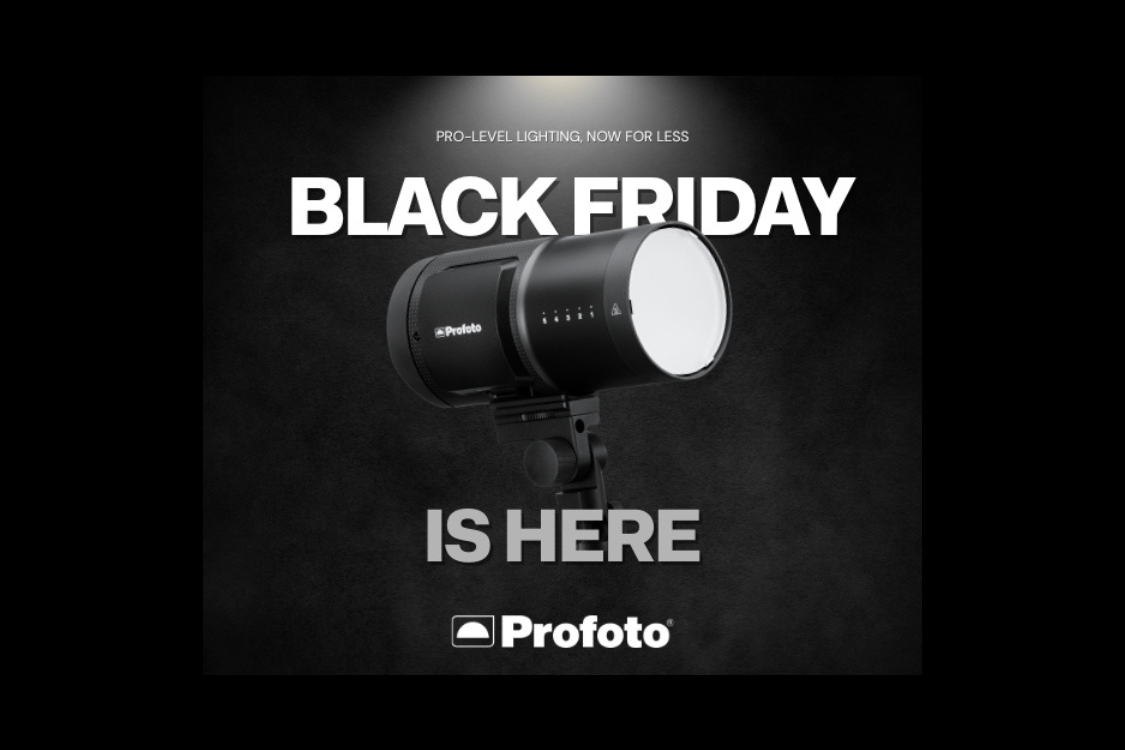
Profoto Announces Black Friday Savings on Lighting Gear and Accessories
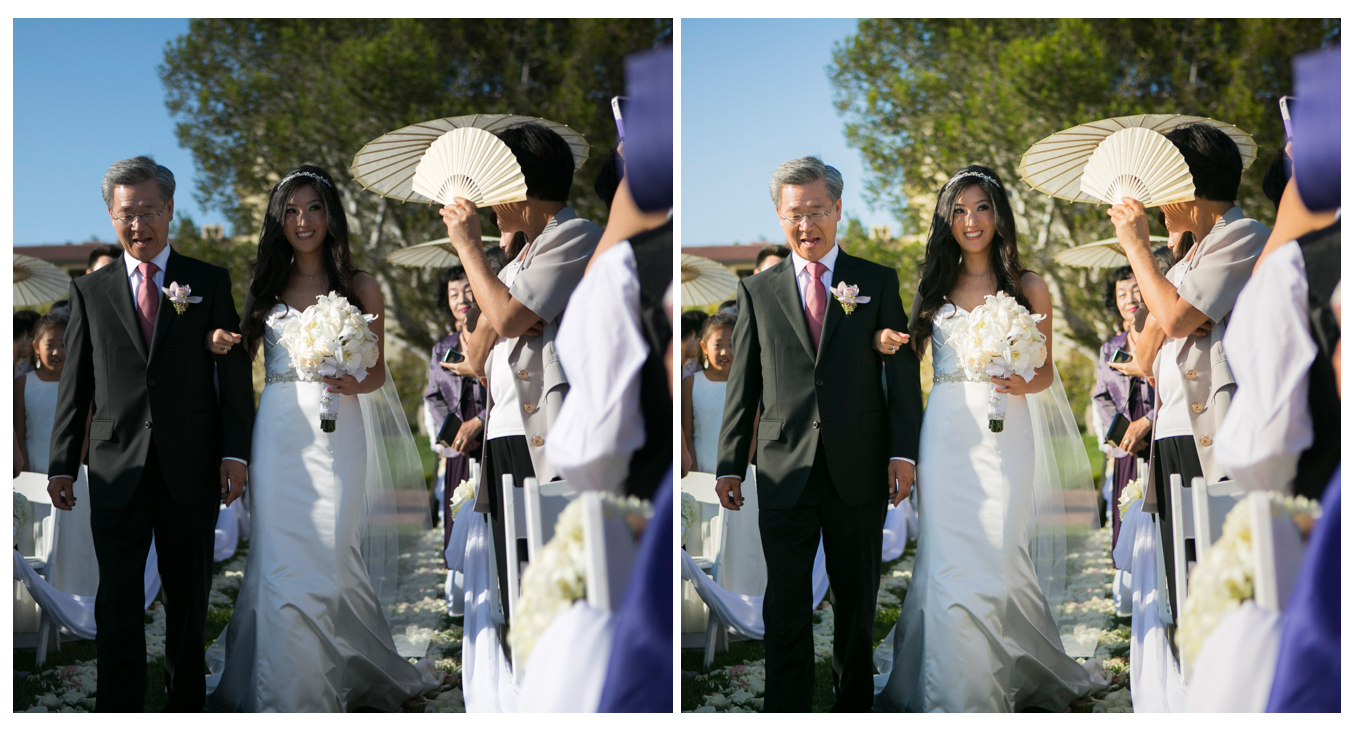
Fixing Harsh Lighting in Lightroom Where Light Modifiers Aren’t An Option
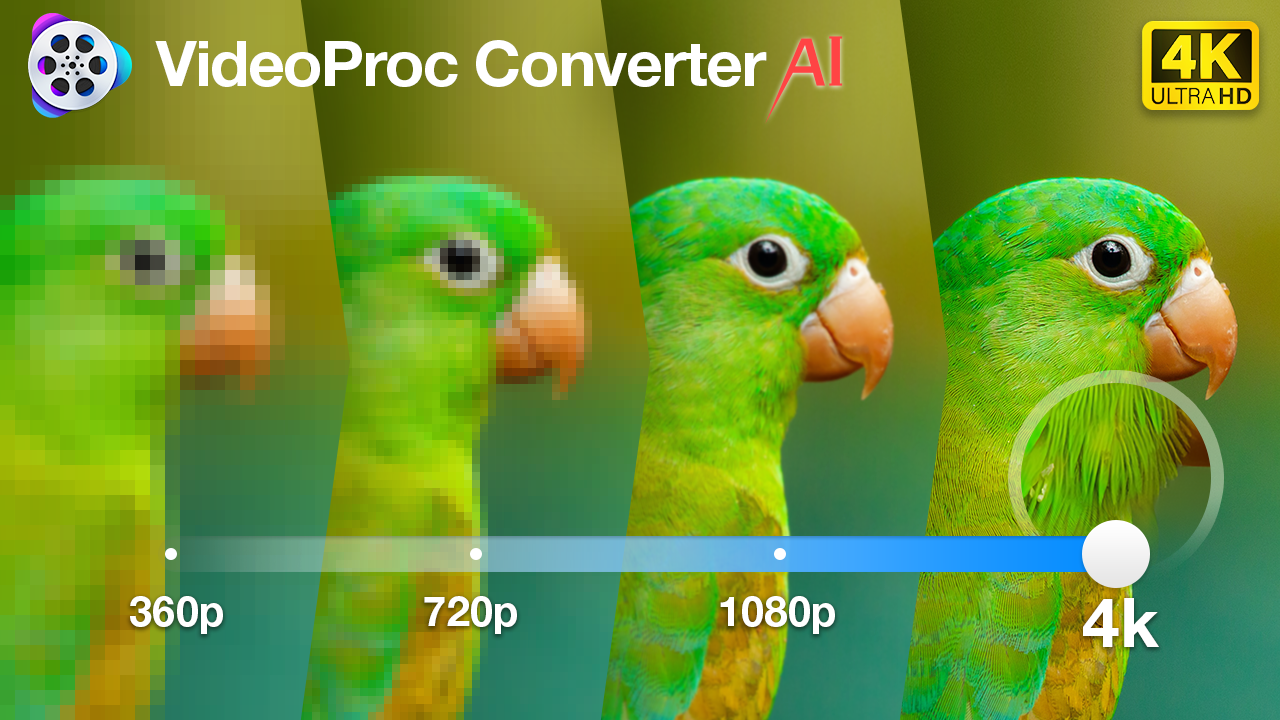
Black Friday Deal: Bring Videos/Images Back to Life with VideoProc Converter AI

Best Memory Cards for Photographers
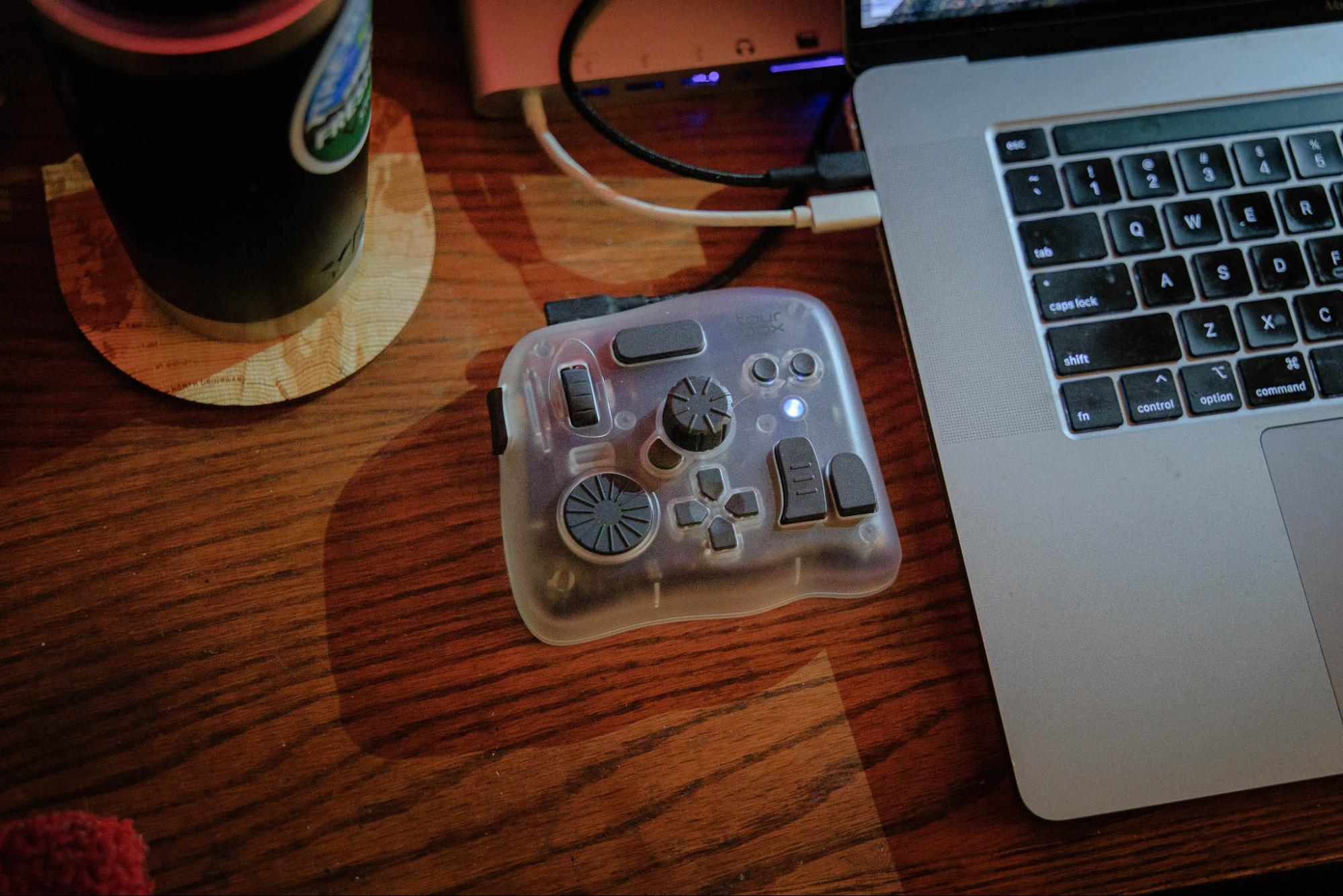
TourBox Elite Plus Review | A Versatile New Creative Controller

DxO’s Black Friday Deals Take Up to 50% Off Flagship Photo Editing Tools

Best Booking Apps for Photographers
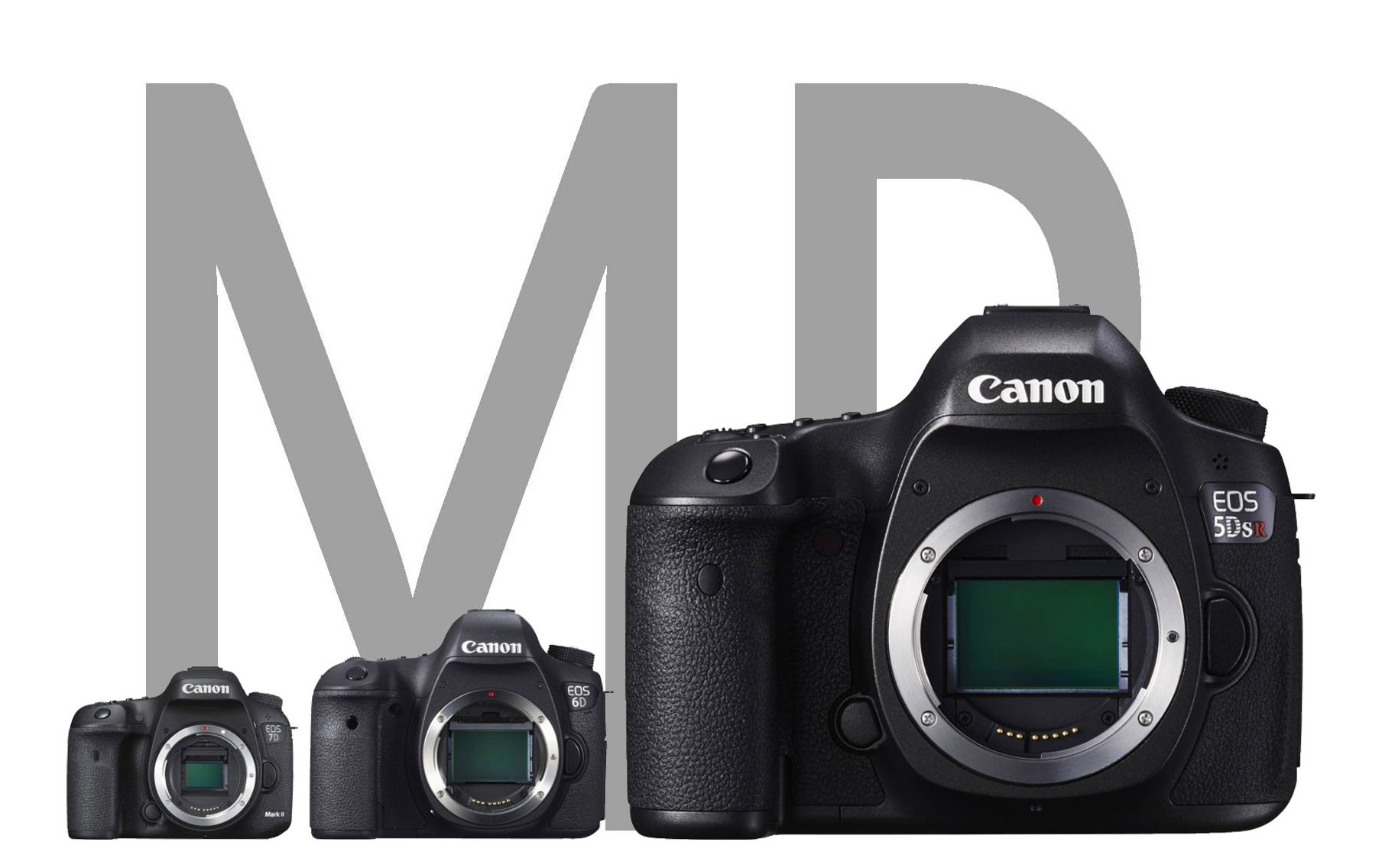
What Camera Should I get? | How Many Megapixels Do I Need?
Godox GM6S Pro Review | A Monitor for Movie-Making Magic

Aiarty Image Enhancer 3.5: Faster Photo Upscaling with Sharper, Cleaner Results (49% OFF Black Friday)

One Light, One Photographer: Shooting Dramatic Portraits Without An Assistant
In the following video from our friends at The Slanted Lens, Jay P. Morgan takes off to blustery Maine to shoot some dramatic portraits of fishermen, with one light and no assistant and he shows you how he does it.

Using Continuous Lights For A Simple Glamour Portrait
Using continuous lights for portraiture is a great way to learn lighting. Plus it’s a throw back to the old Hollywood glamour days!

DIY: Build a Simple Ring Light Using LED Strips and a Frisbee For Around $30
Photographers tend to have a love/hate relationship with ring lights. While ring lights may be great for some situations, in others, it may look completely dreadful. So why spend a couple hundred dollars on one when you can just rig one together for around $30?

Don’t Be Afraid to Mix Light Sources – LED & Tungsten
In the video below, our friend Jay P. Morgan shows us that we shouldn't fear mixing light sources and shows us how to do it.
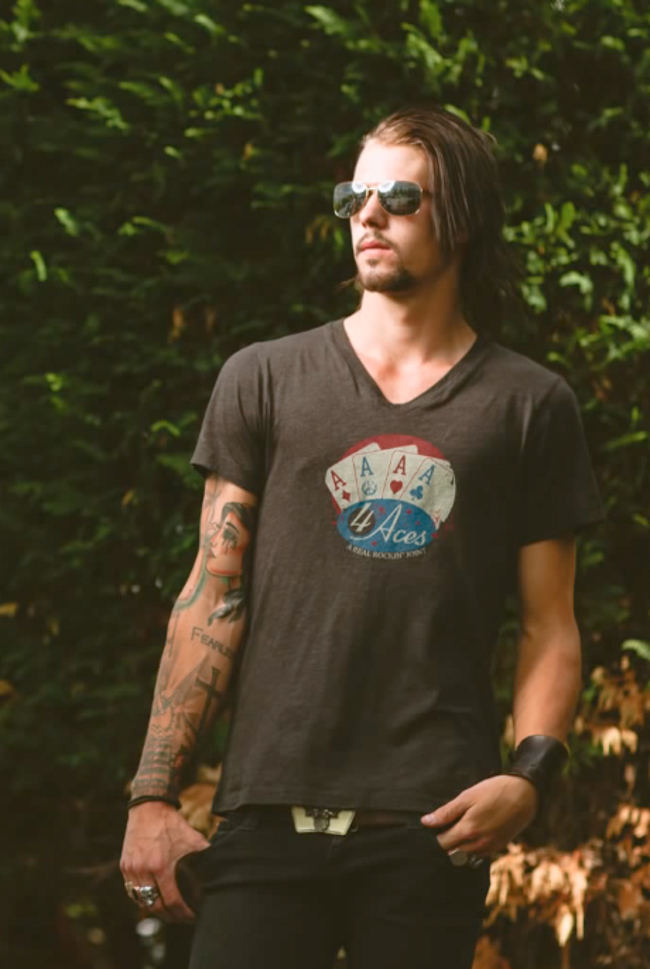
Love Lighting With Strobes Outdoors! Use an ND filter For a Shallow Depth Of Field
Want to shoot outdoor strobe light portraits with a shallow depth of field, but have no clue how? Hint: Grab a neutral density filter!

Stop Shooting for Neutral ‘White-Balanced’ Light! Try This Instead.
If you ever find yourself primarily shooting white balanced, neutral light, this article will show you how using colored gels can add emotion to your photographs.
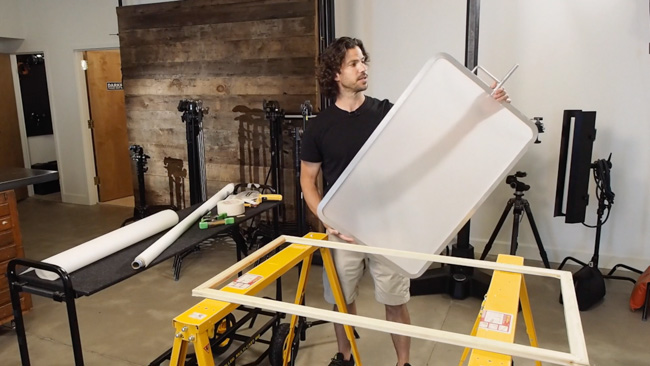
DIY Diffusion Panels: How To Make A Good One For $30
One of the best DIY diffusion panels I've seen, and all the materials required are inexpensive but good, and the time requirement is small. It's a great idea for those who need spares, or anyone starting out.

How to Master Location Lighting: Floral Goddess Portrait by Lindsay Adler
I love shooting natural light when possible, but there are times when the ambient light simply isn't cutting it and I know it's time to reach for a speedlight or strobe.

It’s Not About the Camera. It’s About the Light.
We as photographers know that there is more to taking a great photo than the gear you use. It's not about the camera. It's about the LIGHT.

A Simple & Inexpensive Trick to Keep Your Light Stand From Falling Over
How do you keep your light stand from falling over? Here's a simple and inexpensive trick to windproof your stand.

The 2 Minute Two-Shot Disappearing Light Trick by Kevin Kubota
Have you ever wanted to bathe your subject in soft, shapely light – achievable only via your handy-dandy portable soft box, but you also want to shoot the image with a wide angle lens, to capture the dramatic background as well? Here's a great 2 minute, two shot trick to help you do so!

A Simple Way to Change the Color of the Sky in Camera
Have you ever been excited to photograph someone around sunset only to discover that Mother Nature wasn’t playing nice? Instead of a beautiful sunset, you were dealt a grey drab sky as your backdrop. There is a way and it’s actually quite simple to pull off.