Astro Photography
Description: Astrophotography is photography of astronomical bodies and celestial events including stars, the moon, the sun, planets, asteroids, and galaxies. Night photography containing large swaths of sky with stars is considered astrophotography as well. Some common examples of astrophotography are star trails and milky way photography.
Astrophotography, nightscape photography, and deep-sky photography
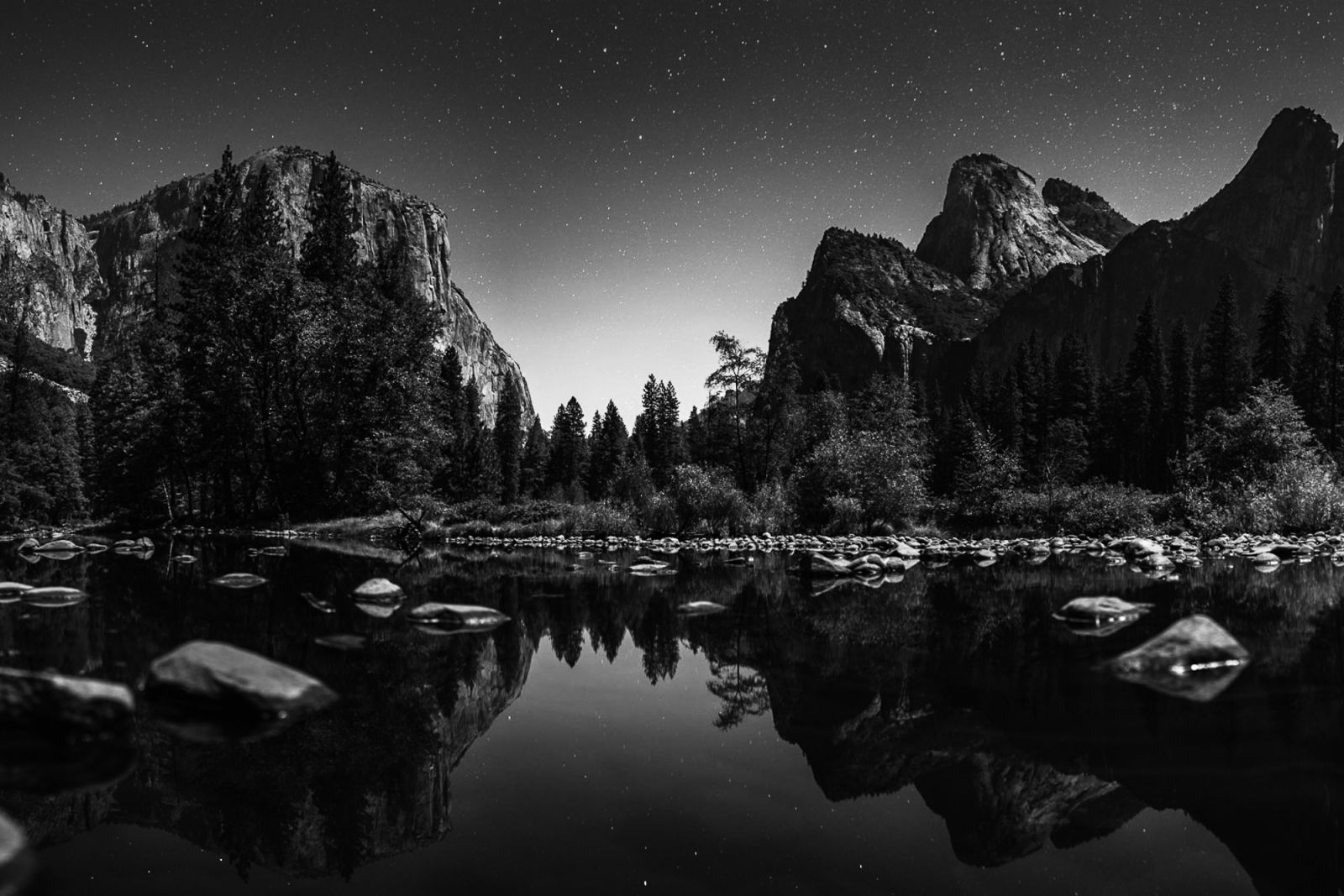
Astrophotography, both deep-sky and landscapes, have risen in popularity in recent years thanks to the advances of digital camera sensors that have allowed even beginner photographers to get impressive images of the night sky.
Click here to learn about how this photo was made!
The term astrophotography itself technically includes the photography of any celestial body or event, beyond what is considered an “ordinary” sunrise or sunset photo. Originally, this was purely the work of telescopes and specialized cameras / sensors, however now there are many different ways to go about astrophotography, and many new sub-categories and other definitions that fall into the parent category.
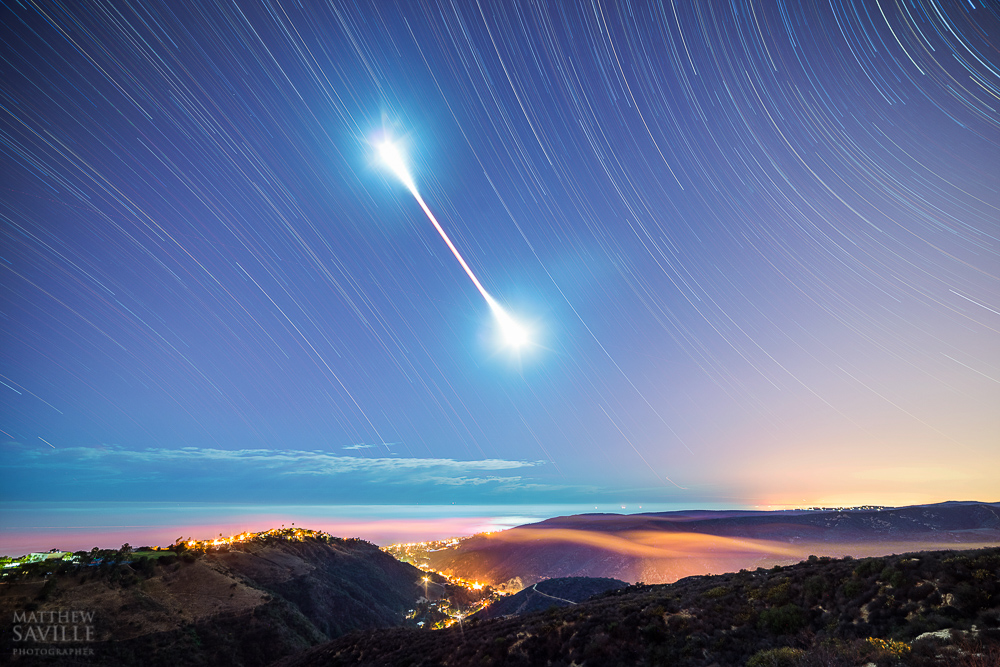
If an astro photograph also includes any earthly terrain in the image, it would be called landscape astrophotography, or astro-landscape photography, or sometimes simply nightscape photography. On the other hand, many photos considered “nightscapes” may not actually include any stars, due to light pollution of weather, and may simply be landscape photos taken at night.
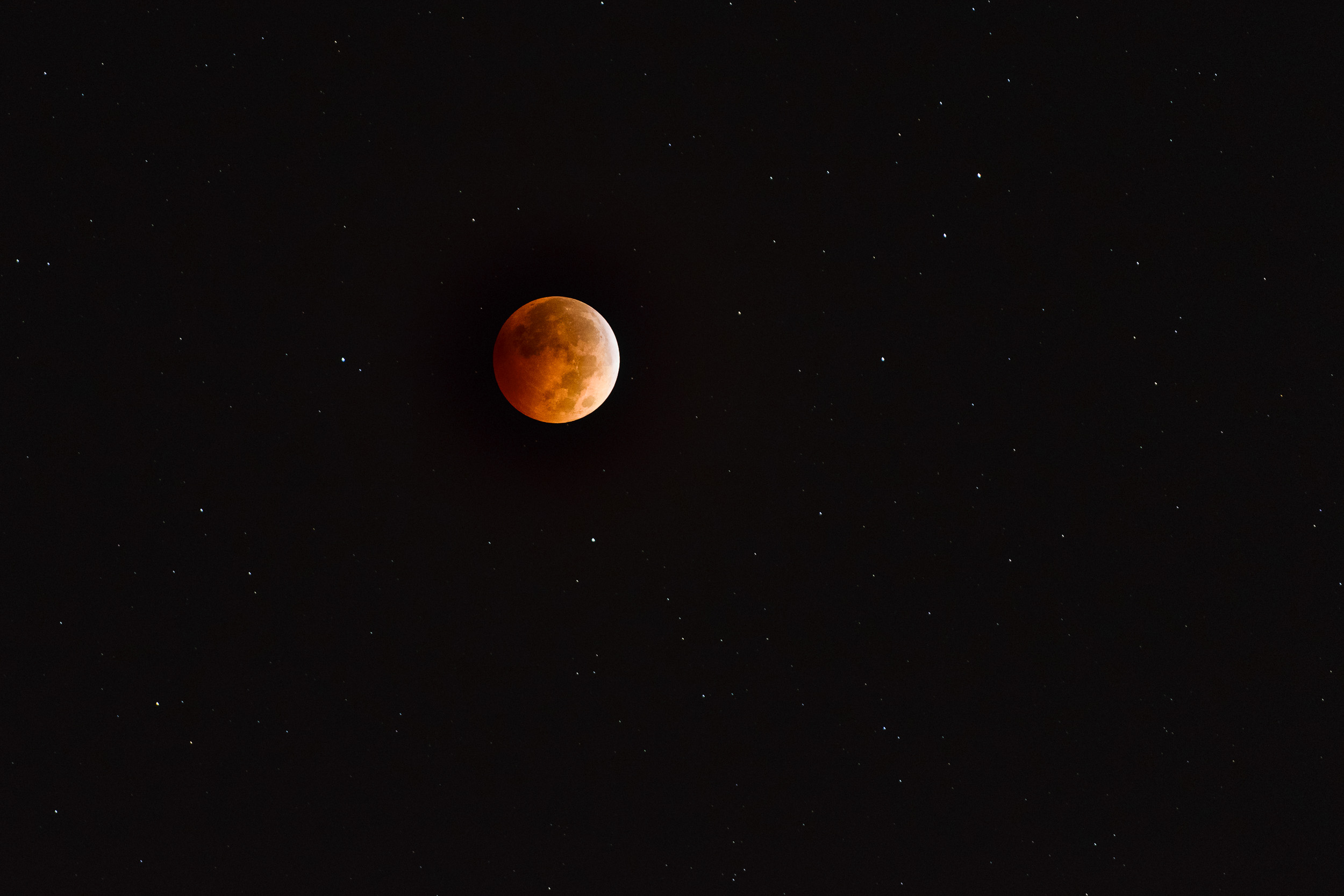
If a photograph is purely of the sky, and made using a relatively telephoto lens, then it is often called deep-sky astrophotography, or just astrophotography. Even far-away galaxies and nebulas can be photographed with an ordinary telephoto lens, however a dedicated telescope and tracking mount are traditionally used.

Learn Cityscape Photography, Astrophotography, and More | Elia Locardi & Fstoppers [REVIEW]
This review will take you through Fstoppers latest offering. Photographing The World: Cityscape, Astrophotography, and Advanced Post-Processing.

Astrophotography Composite | The Nub in Assiniboine Provincial Park {How I Shot It}
How You Shot It is a series where you show us how you shot an image. Today's image is an astrophotography composite by Hannes Nitzsche.

The Ultimate Guide To Motion Timelapse Of The Milky Way | Tutorial
If you are looking to take your astrophotography game to the next level, a logical next step is a motion timelapse of the Milky Way.

How to Shoot The Milky Way That Is Obscured By Extreme Light Pollution In Singapore
In this tutorial, I am going to show you how I shoot the Milky Way that’s obscured by the heavy light pollution in Singapore using photography equipment that you may already have and a workflow that probably works in most versions of Photoshop without purchasing additional plugins.

Useful Pocket Guide and Tips for Timelapse and Astrophotography
If you missed this weekend's Supermoon, it's okay because there are five this year and you still have two more opportunities before the year is out. Here are some useful tips to help you prepare.

Never-Before-Seen ‘Impossible’ Images of Milky Way Captured in Singapore
I have been asking myself if it’s really impossible to capture the Milky Way galaxy in Singapore and so, I’ve decided to make my first attempt after the monsoon season was over and voila! I could see it! All hope was not lost after all.

How to find the best locations in your area for shooting the night sky
Shooting at night can be a challenge if you live in a populated area. Light pollution can, and does, prevent you form getting the most out of your exposures and can ruin a shot. When I first started thinking about shooting the stars I thought I had to physically drive around and look for good spots. Surely, I thought to myself, there must be a better way to find locations relatively close to you which would be good candidates for amazing star photography.