The iPhone is not just a phone; it’s a highly portable device with some of the best camera technology you can have. With the iPhone’s camera, you can exercise your creativity and build your photography skills everywhere you go. Also, it’s worth noting that the iPhone camera only represents the foundation. Like most conventional cameras, ... Read more
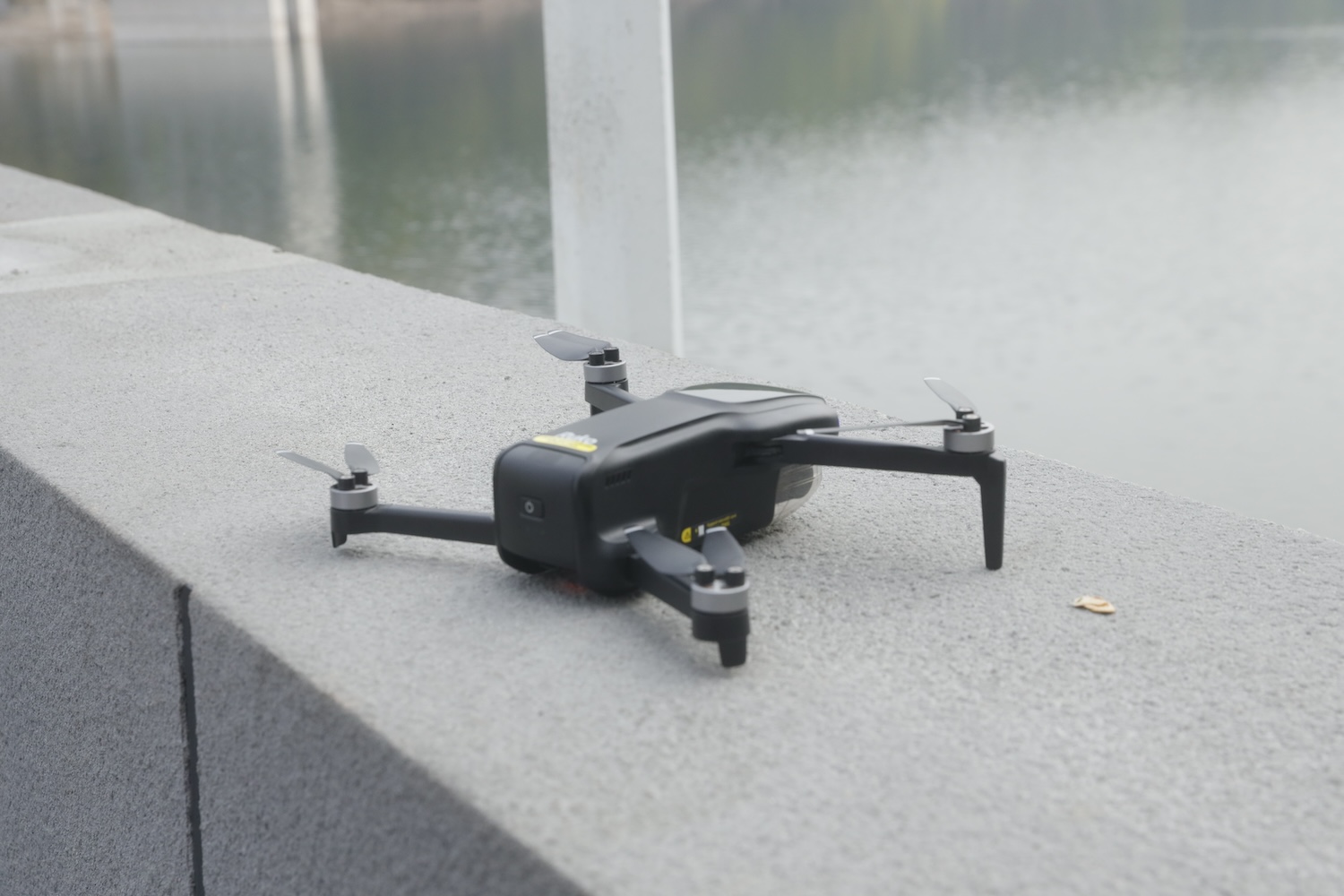
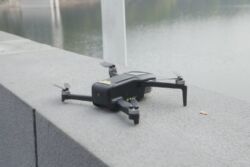
The bottom line: The Ruko U11MINI 4K RC3 delivers usable 4K video, a 3-axis gimbal, and 96 minutes of flight time across three batteries, all under 249g and under $500. It’s not a DJI killer, but it’s a legitimately good first drone for photographers testing aerial content without the regulatory headaches or financial commitment of ... Read more
Photographers lose more potential bookings to a disorganized inbox than they care to admit. A bride emails on a Tuesday afternoon, they’re on a shoot, and by the time they circle back three days later, she’s already signed with someone else. Sound familiar? This isn’t a problem you solve with better time management or more ... Read more
Storytelling in photography is an invaluable tool that allows us to communicate beyond words and deliver a visual narrative that touches our hearts and minds alike. An image, or a set of images, that tell a story can have a profound impact on the viewers, connecting with them on a level beyond the aesthetics of ... Read more
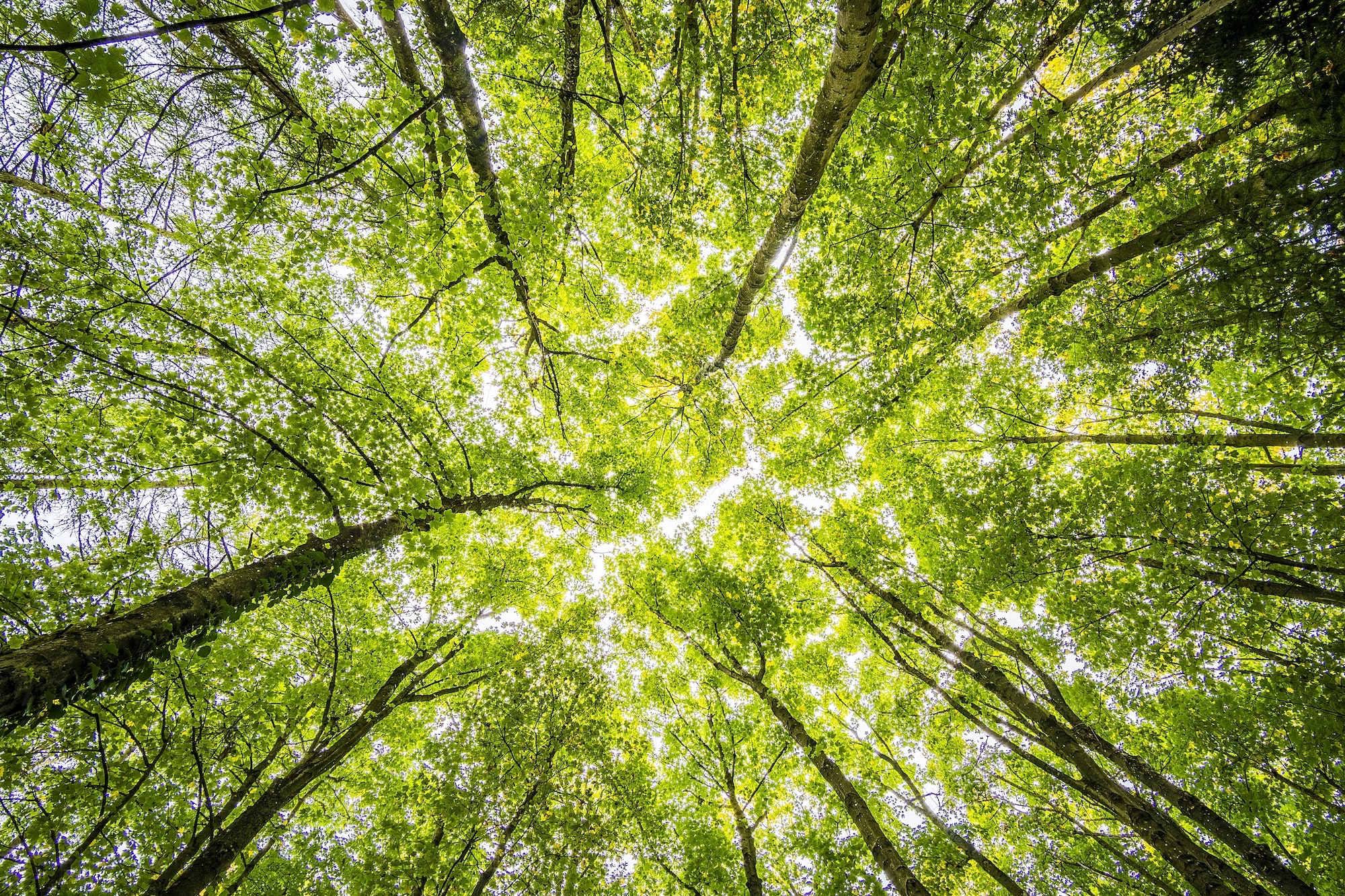
Forest photography offers a unique creative challenge: capturing the interplay of light filtering through canopies, the textures of ancient bark, and the mood that only woodlands can provide. Whether you’re drawn to misty morning scenes, dramatic light rays, or intimate details of forest floors, mastering forest photography requires understanding both technical skills and the unique ... Read more
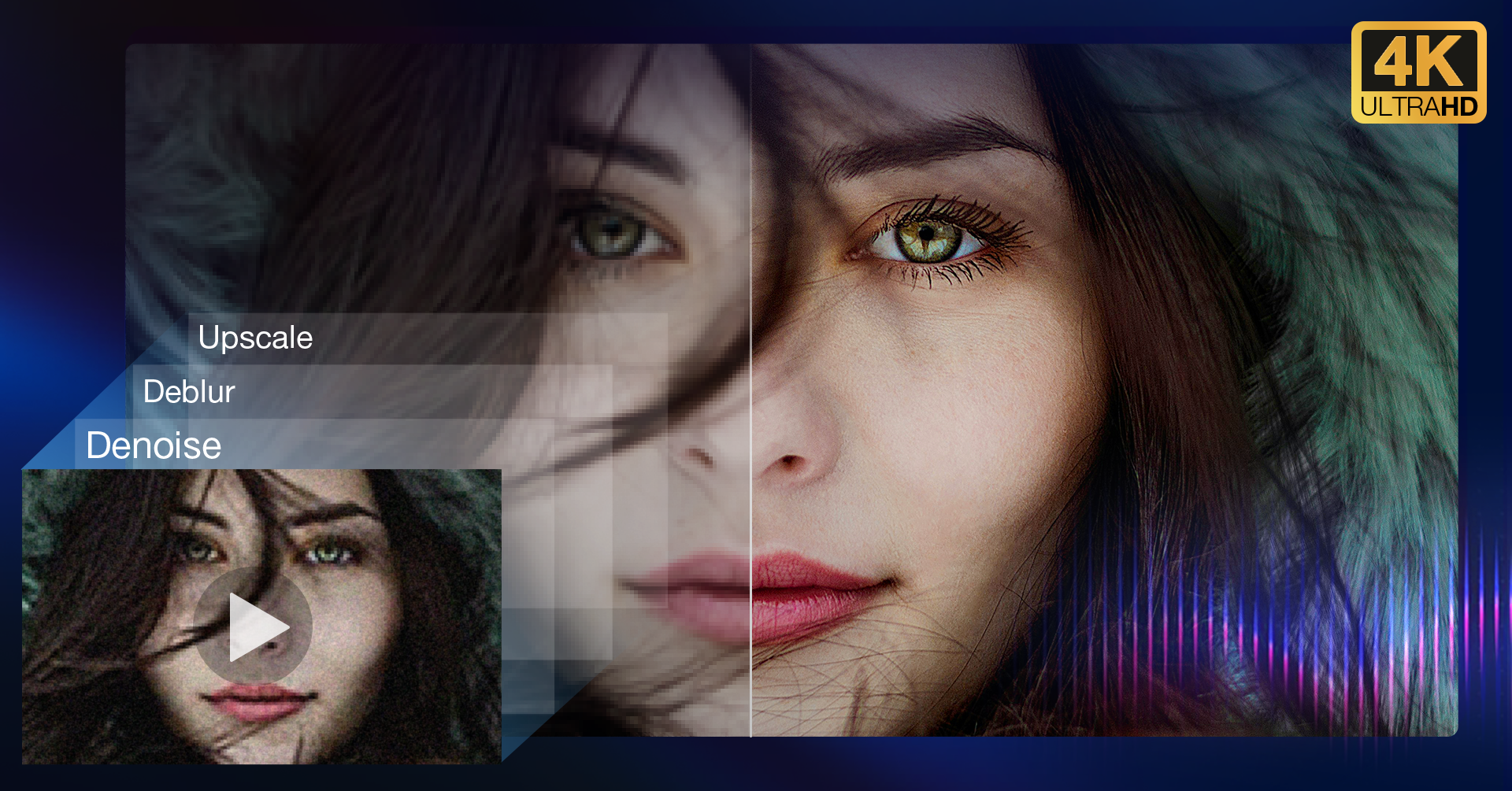
With 2026 underway, creators looking to bring new life to their old, noisy, or low-resolution videos should take note of a compelling promotion from Aiarty. The company’s AI Video Enhancer, a desktop application designed to upscale, denoise, and restore footage, is now available at its lowest price ever as part of a New Year special. ... Read more
Metering film is the most common cause of frustration amongst new film shooters, but it’s also one of the most important skills to master. Incorrect metering can lead to wasted sessions, missed shots, and lots of wasted money on film. The good news? Once you understand the fundamentals, metering becomes second nature. In this article, ... Read more
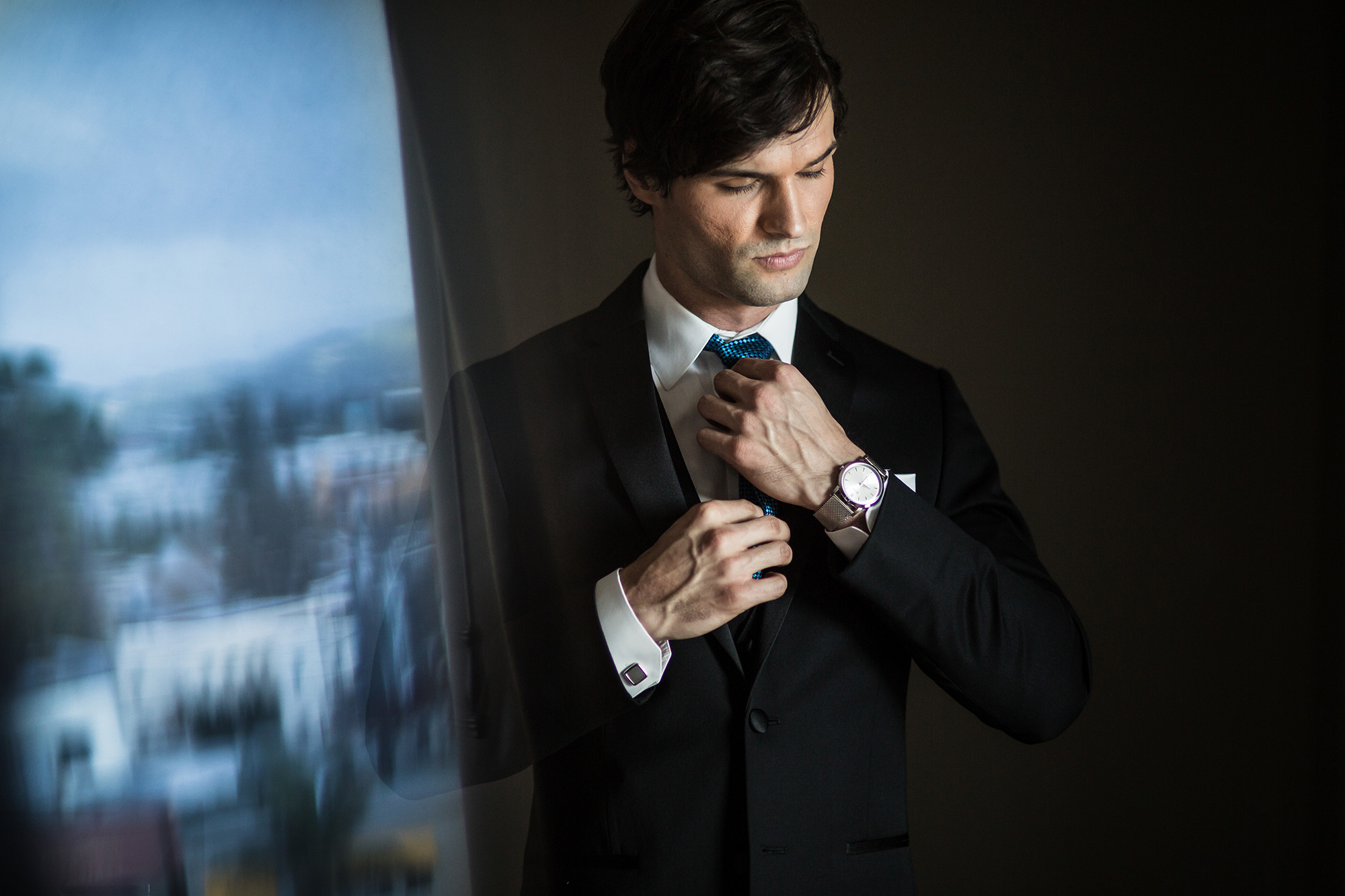
On a couple’s wedding day, brides are usually the show-stoppers, receiving the most pampering while preparing for the big day in order to take her groom and guests’ breath away when they get to see her. Photographers often think of a wedding as a bride’s day, but it’s important that we give grooms our all ... Read more
While being a lighting assistant doesn't require a specific skill set, the job does go beyond simply carrying equipment and following instructions. Here are some tips to make you a better photography lighting assistant.
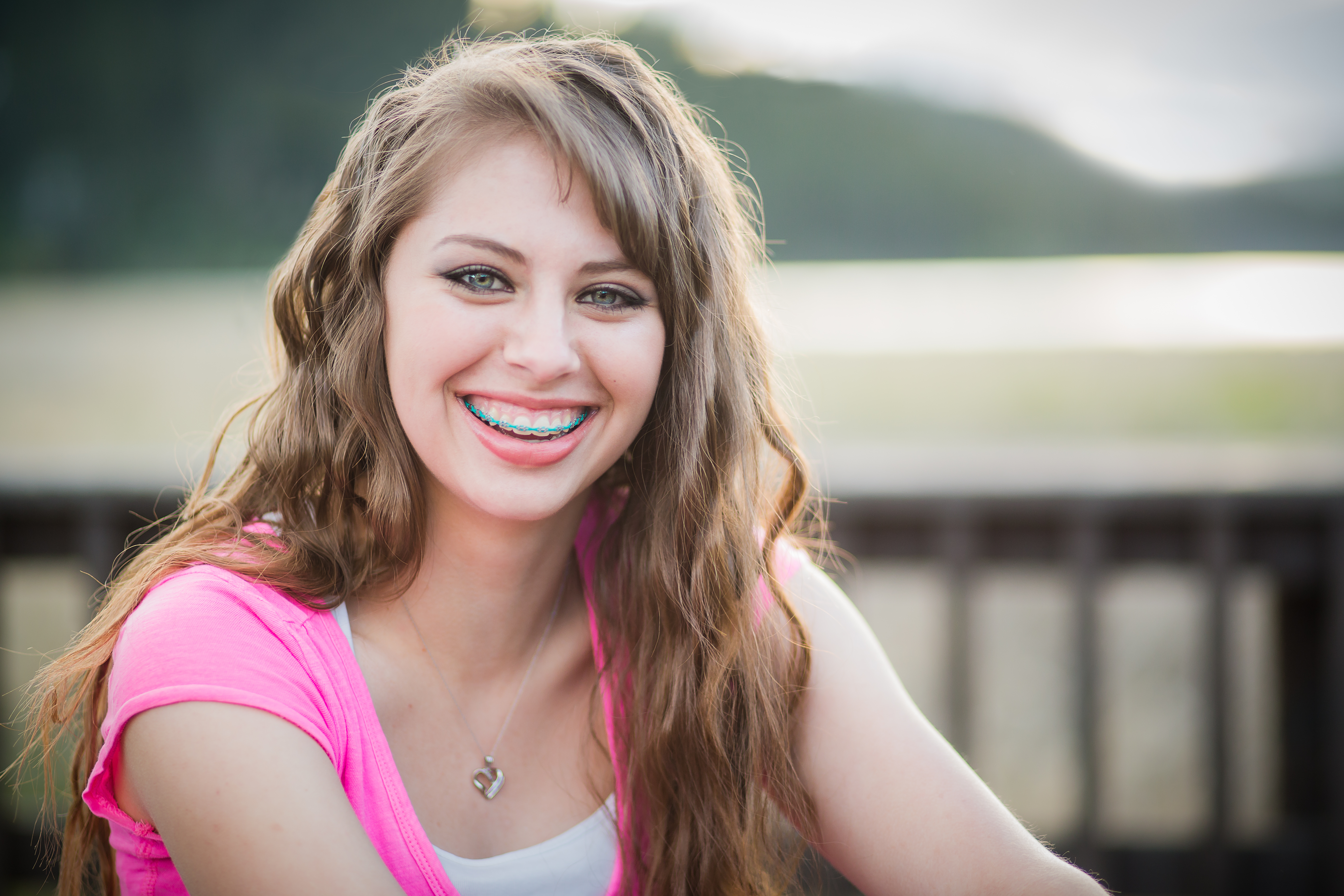
How do we get tack-sharp images, especially when it comes to groups, when we're shooting with a wide-open aperture? Here's how in 5 tips (plus 3 bonus tips)!
Four factors affect depth of field. Do you know what they are? Not even sure what depth of field means or how it affects your composition? Check out this article for all you need to know.
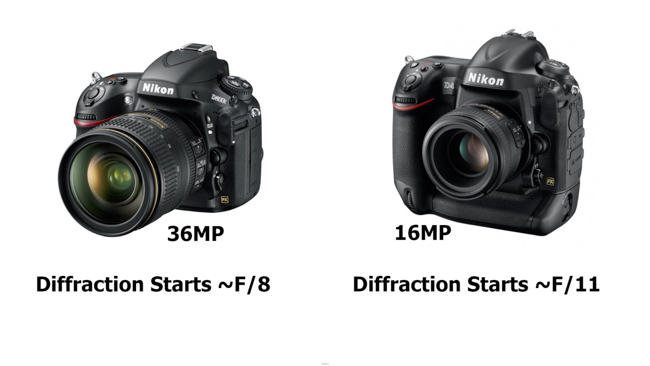
Misunderstanding of lens diffraction is rampant, which is a shame because if you understand it, your images will be better, you'll get more from your lenses, and you'll know better how to buy your lenses.
This is a great way to add more defocus to areas of a photo in post process. It can be made to look very natural, though I always say get it right in camera first.
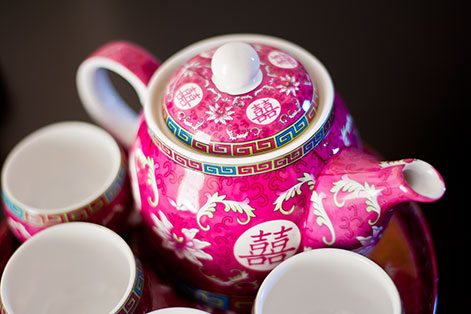
In this article, we will talk about what aperture is primarily used for in photography, which is to control depth of field (DOF). Depth of field is the front-to-back zone in a photograph where objects appear acceptably sharp. We will cover both the shallow and deep depth of field, as well as the other factors that affect depth of field, aperture, distance between you and the subject, focal length, and the sensor size.