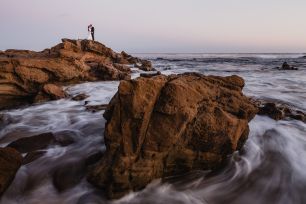
It’s exciting when you discover the perfect scene to craft an inspiring image. Then, after shooting a location a few times, you might revisit previously used spots and shoot from familiar angles, occasionally finding and using a new scene. Eventually, however, after repeatedly shooting at the same venue, it can become very challenging to feel inspired and find unique ways to capture it.
PROBLEM: THE DOWNSIDE OF REPETITION
I recently shot an engagement session at a location I have photographed no fewer than 30 times. When I arrived, I challenged myself to create images that looked different than the ones I had captured there before. The problem was I had shot in just about every location and from every angle the place had to offer. Still, I knew there was a solution; a way to make it unique.
[REwind: Create Dramatically Lit Images with Flash]
SOLUTION: LET THERE BE LIGHT
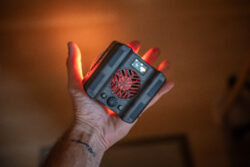
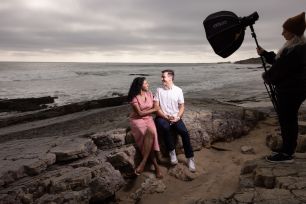
One of the fastest ways to transform a scene is to alter the lighting. Images shot from the same angle in the same location will look different based on the lighting, especially when you get creative. Fortunately, light modifiers like the MagMod modifiers make it quick and easy to use your flashes to creatively control the light in a scene.
Join PremiumHere is how to transform a scene in 4 simple steps:
STEP 1: PLACE FLASH TO match ambient light direction

Place a flash with a MagGrid and CTO gel to emulate the light direction and match the color temperature in the scene. In this example, the flash is amplifying the backlight coming through the window and falling on the couple, while also illuminating the rails of the staircase when shot from above.
STEP 2: BACKLIGHT THE SUBJECT

Add a second flash with a MagSphere and CTO gel to boost the rim/hairlight coming through the window and create separation between the subjects and the background. The gelled, diffused light will also create ambient warmth around the subjects.
STEP 3: ADD ATMOSPHERE AEROSOL FOR EFFECT
Spray Atmosphere Aerosol to fill the room and carry light. For these images, we sprayed two cans of Atmosphere Aerosol for approximately 30 seconds to fill the entire space.
STEP 4: SHOOT THE SCENE FROM MULTIPLE ANGLES

Shoot from multiple angles with this lighting setup. After capturing a couple images from ground level, I moved to the top of the stairs for the final scene setting image.
Join PremiumYou can see more examples of how to creatively light a variety of scenes in our premium workshops, Lighting 101 and Lighting 201, as well as our Photographing the Couple workshop. If you’re not already an SLR Lounge Premium member, upgrade now and start enjoying the best online photography education courses available.