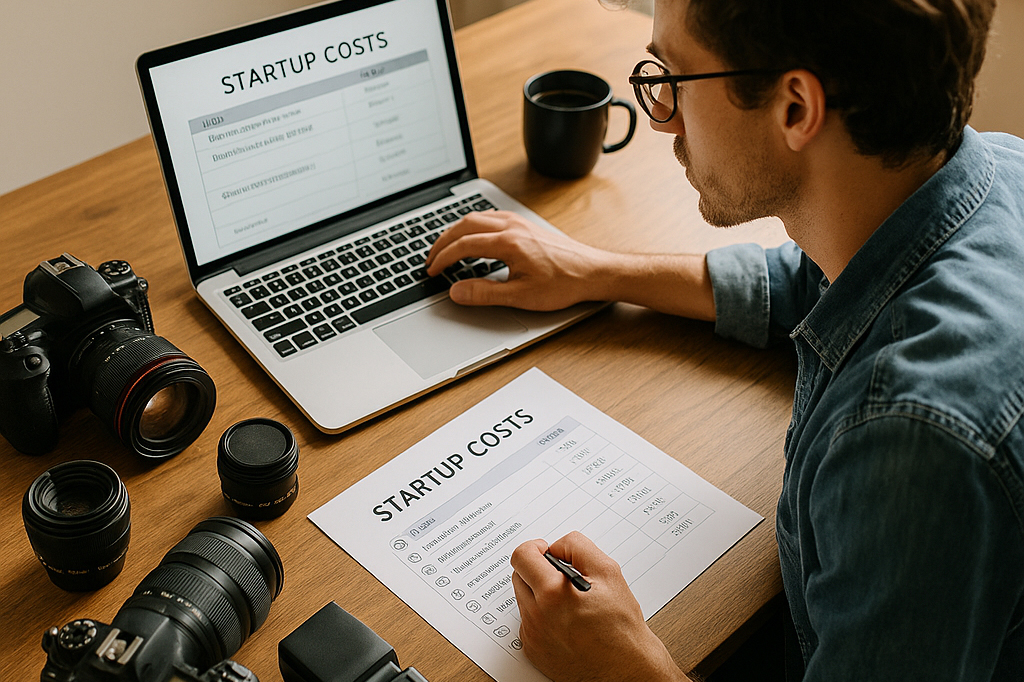
Starting a photography business is an exciting and potentially profitable journey, but like any venture, it comes with both upfront and ongoing costs. The good news? Compared to many other industries, photography has relatively low startup barriers. You don’t need a physical storefront, and much of your gear—like cameras and lenses—can be purchased secondhand without sacrificing quality.
However, that accessibility also means greater competition, as more people can afford to jump in. Still, if you’re strategic about your setup and spending, photography remains one of the most flexible and scalable creative businesses you can start. Depending on your niche, goals, and how lean or high-end you want to go, startup costs typically range anywhere from $3,000 to over $20,000.
In this guide, we’ll walk through the core and optional expenses involved in launching a photography business—from gear and software to legal fees, marketing, and beyond. For each category, you’ll find both industry-standard and budget-conscious options, so you can build a business that fits your vision and your wallet.
Camera Gear and Computer Equipment

Every photography business begins with the right tools. Your camera, lenses, lighting, and computer are the foundation of your workflow and image quality. While professional gear can be costly, there are smart ways to start on a budget.
Estimated Cost: $2,000 – $15,000+
Recommended Budget: Mix and match new and used gear and computer equipment for under $10,000
Industry Standard:
- New full-frame DSLR or mirrorless camera: $2,000 – $3,500
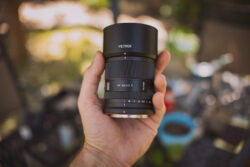
- Professional lenses (portrait, wide-angle, telephoto): $1,000+ each
- Speedlight flashes: $300+ each
- Tripod, reflectors, lighting kits: $500 – $2,000
- High-performance laptop or desktop (MacBook Pro, Dell XPS): $1,500 – $2,500
Budget Alternatives:
- Used DSLR or mirrorless camera: $800 – $1,500
- Used prime or kit lenses: $100 – $300 each
- DIY reflectors (e.g., poster boards, car windshield reflectors)
- Used or refurbished gear
- Refurbished or mid-tier PC with good RAM and GPU: $600 – $1,000
Tips: Consider renting specialized equipment (e.g. macro lens, drones) before purchasing.
Software & Subscriptions
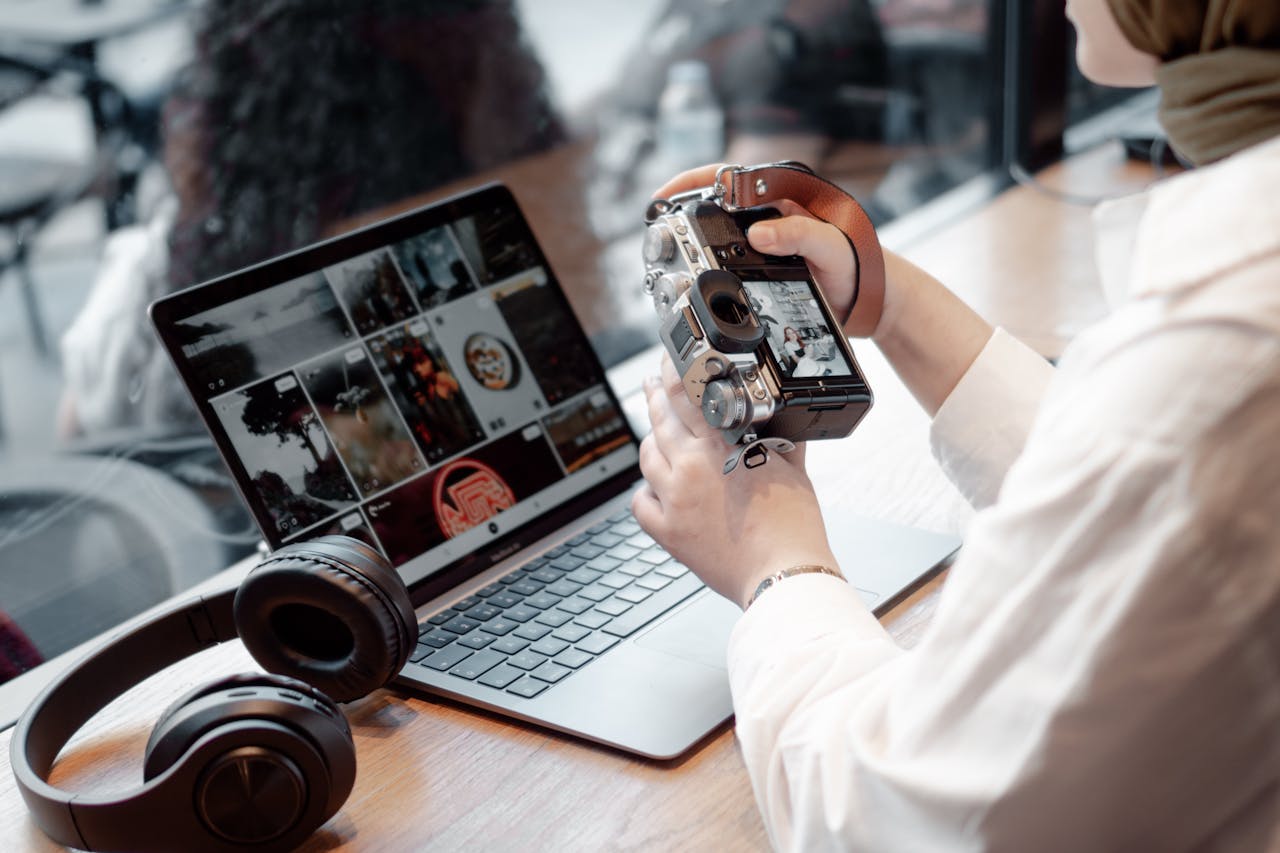
Beyond your physical gear, software and online services play a crucial role in editing, delivering, managing, and marketing your work. These subscriptions are often ongoing, so it’s important to budget wisely based on your needs and volume of work.
Estimated Cost: $500- $2,500/year
Recommended Budget: Start with your essentials for under $500 and scale up as needed.
Industry Standard:
- Adobe Lightroom + Photoshop: $10/month ($120/year)
- AI editing tools like Imagen AI, Aftershoot, or Impossible Things: $30 – $100/month (See all AI editors)
- Album design software (e.g., Fundy, Pixellu): $300 – $500 one-time or subscription
- Online gallery delivery services (e.g., Pic-Time, Pixieset): $10 – $50/month (See all online gallery options)
- Studio management platforms (e.g., Táve, ShootProof, HoneyBook): $25 – $75/month (See all studio management options)
Budget Alternative:
- Free or one-time-purchase editors (e.g., GIMP, Darktable, Luminar: $79)
- Use Lightroom’s built-in AI masking & batch tools to reduce external editing needs
- Google Drive or Dropbox for Image Delivery (with limited storage or branding)
- Manual album design in Canva or Lightroom
- CRM alternatives like Trello, Google Sheets, or Notion for basic client tracking
Tip: Automating editing, delivery, and client workflows can save hours per job and dramatically increase your earning potential. While it’s tempting to sign up for everything up front, only add on your subscriptions as needed. And don’t forget to learn post production yourself, even though it’s tempting to go full AI for editing.
Website & Hosting

Your website is sort of like your digital storefront. It’s where clients go to view your work, learn about your services, and get in touch. A legitimate business needs to have a legitimate website that reflects the style, branding, and messaging of the business.
Investing in a clean, professional site can dramatically improve your credibility and booking rate. Add in some good SEO and your website has the potential to be your lead generating machine.
Estimated Cost: $100 – $500/year
Industry Standard:
- Professional theme via Squarespace, Wix, or WordPress: $50 – $250
- Hosting: $150 – $400/year
- Domain registration: $10 – $20/year
- SEO tools and analytics: $50 – $100/year
Budget Alternative:
- Free portfolio platforms (e.g., Instagram, Smiler Storefront, Adobe Portfolio)
- DIY website using free themes on WordPress.com
- Use social media as a temporary portfolio site
Tip: A clean, mobile-friendly site with clear CTAs boosts bookings. Click here to see our list of the best website builders for photographers.
Business Registration & Legal Fees (In the United States)
Before you book your first client, it’s important to handle the legal side of your business. Registering your business, securing proper licenses, and getting your contracts reviewed ensures long-term protection and tax advantages. Even if you’re operating as a solo photographer from home, you’ll want to make sure your business is compliant with local, state, and federal regulations.
- Business Entity Registration – Form your LLC, sole proprietorship, or S-Corp through your state’s Secretary of State.
- Employer Identification Number (EIN) – Get a free EIN from the IRS if you’re hiring or need a business bank account.
- General Business License – Required by most cities or counties to legally operate a business.
- State Sales Tax Permit – Needed to collect sales tax on physical products (like prints or albums).
- Home Occupation Permit – If you’re operating out of your home, some municipalities require this.
- Professional Services or Vendor License – Depending on your city, you might need a permit to operate at certain venues or events.
- DBA (“Doing Business As”) – If your business name is different from your legal name or LLC, you may need to file a DBA.
- Photography Contracts & Model Releases – Customized agreements for clients, second shooters, and model releases for legal protection.
- Liability Waivers – Useful when working with clients in high-risk environments like beaches, rooftops, or outdoor adventure shoots.
Tip: Check with your local small business development center (SBDC) or city clerk’s office to ensure you’re meeting all local and state requirements.
Estimated Cost: $100 – $1,000
Industry Standard:
- LLC registration: $50 – $500 (varies by state)
- Legal consultation for contracts: $300 – $1,000 (one-time)
Budget Alternative:
- Online LLC filing services (e.g., ZenBusiness, LegalZoom): $49 – $199 + state fees
- Pre-made photography contracts (peer-reviewed)
Tip: Registering your business gives you tax benefits and legal protection.
Insurance (in the United States)
Insurance is one of those things you hope to never use—but when you need it, you’ll be glad you have it. From protecting your expensive gear to shielding you from liability, coverage is a smart investment for every working photographer.
Estimated Cost: $200 – $600/year
Industry Standard:
- General liability + equipment insurance: $40 – $70/month
- Specialized photography insurance (via PPA or Hiscox)
Budget Alternative:
- Add gear to homeowner’s or renter’s policy (verify business coverage)
- Start with basic liability and upgrade later
Tip: One accident or equipment loss can cost more than your annual premium. See our photographer insurance guide for more help.
Marketing and Memberships
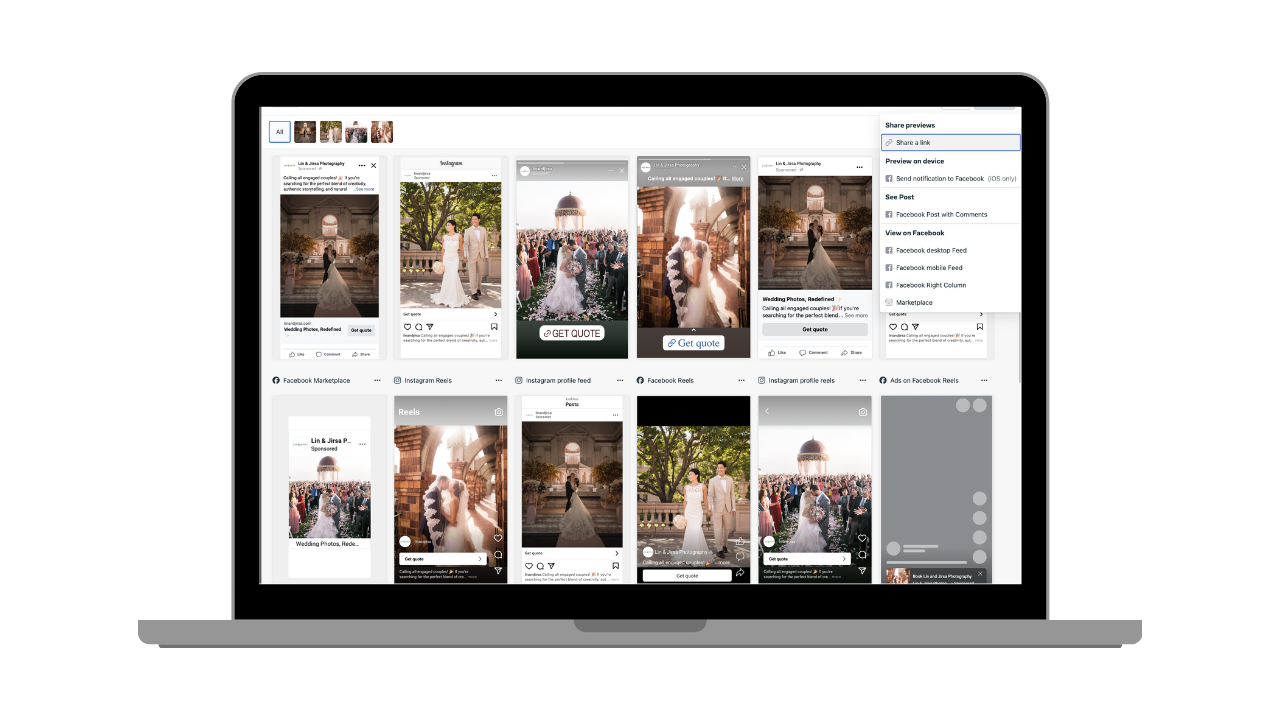
Marketing is how you attract the right clients and build trust in your brand. Whether you invest in professional design and ads or grow organically through content and social media, having a clear plan is essential for visibility and bookings.
Estimated Cost: $200 – $5,000+
Marketing Industry Standard:
- SEO professional: $500 – $2,000
- Logo and brand design: $300 – $1,000
- Paid ads (Google, Meta): $200 – $1,000/month
Marketing Budget Alternative:
- DIY logo via Canva or Looka
- Free SEO tools (Ubersuggest, Google Search Console)
- Organic marketing (Instagram Reels, TikTok, Pinterest)
Membership Industry Standard:
- PPA (Professional Photographers of America): $27.92/month
- WPPI, NPPA memberships for networking and legal resources
- Wedding Maps, Fearless Photographers, Etc
Membership Budget Alternative:
- Free photography meetups and online communities
Tip: Memberships offer insurance perks, legal tools, and credibility. Start small with organic strategies, then scale up with paid ads once you’re booking consistently. See our guides on the best directories for photographers and Facebook Ads for Photographers for more insights.
Accounting & Bookkeeping
Managing your finances may not be glamorous, but it’s critical to staying profitable and stress-free. Whether you DIY with spreadsheets or hire a pro, getting this right early on will save you major headaches later.
Estimated Cost: $0 – $1,500/year
Industry Standard:
- QuickBooks or FreshBooks: $25 – $70/month
- Hiring an accountant: $300 – $1,000/year
Budget Alternative:
- Free spreadsheets for invoicing and expenses
- Wave Accounting or Zoho Books (basic plans)
Tip: Track every expense and income from day one to avoid future headaches.
Studio or Workspace (Optional)
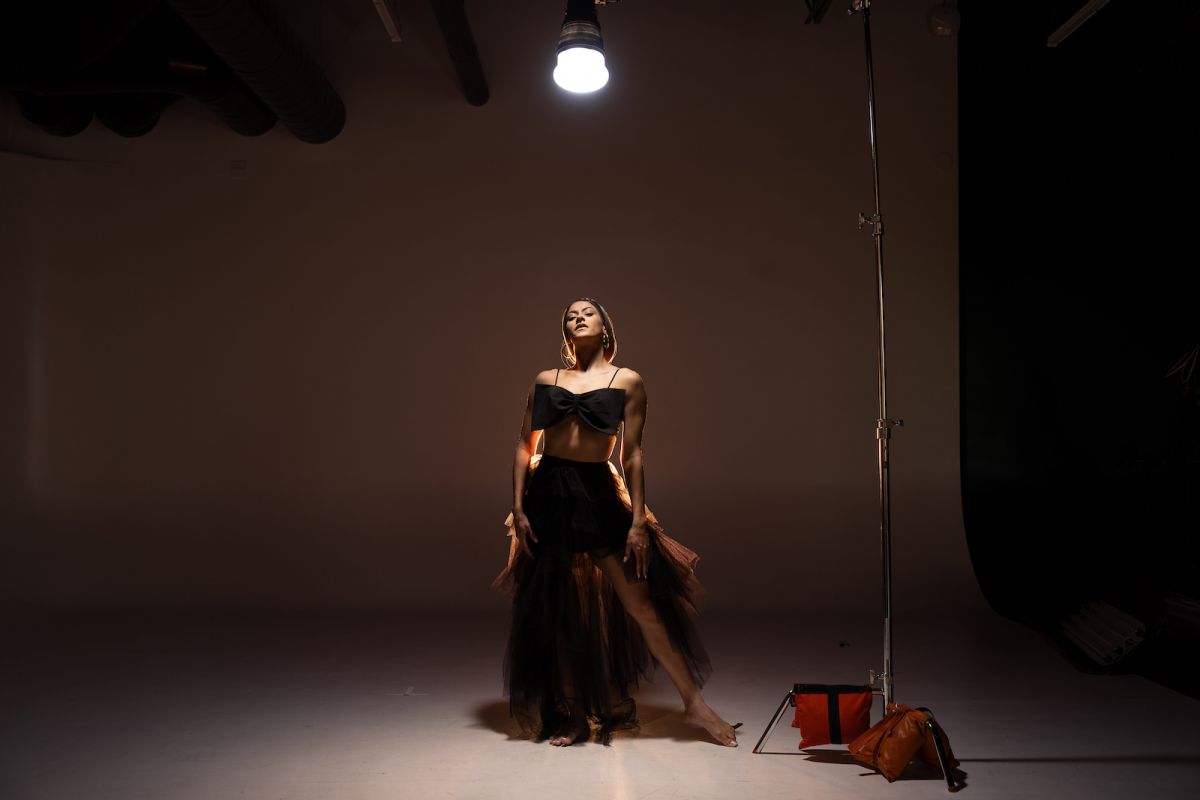
Not every photographer needs a dedicated studio, but if your work requires controlled lighting or regular client meetings, it might be worth the investment. Fortunately, there are flexible and budget-friendly options to get started.
Estimated Cost: $500 – $3,000+/month
Industry Standard:
- Renting a shared or private studio: $1,000 – $3,000/month
Budget Alternative:
- Home studio setup: $200 – $1,000
- Hourly studio rental: $50 – $100/hour
- On location photography only – $0
Tip: Unless your niche demands it, start with natural light and portable setups. Then, as you grow and hire on employees, require a physical meeting space, and consistently need a studio space, consider renting a studio.
Education & Professional Development
Managing your finances may not be glamorous, but it’s critical to staying profitable and stress-free. Whether you DIY with spreadsheets or hire a pro, getting this right early on will save you major headaches later.
Estimated Cost: $0 – $1,000+
Industry Standard:
- Online courses, conferences, workshops: $100 – $1,000
- Coaching or mentorship programs
Budget Alternative:
- YouTube tutorials and free online courses
- Facebook groups or photography forums
Tip: The fastest-growing photographers prioritize learning and evolving. For the best photo education, see SLR Lounge Premium.
Final Thoughts: What’s Your Total Cost?
Every photographer’s startup costs will look different, but having a clear understanding of the main expenses can help you plan wisely. Whether you’re starting small or aiming big, it’s all about building a sustainable business model that works for you.
Here’s a quick summary based on your approach:
- Bare-Bones Setup: $2,000 – $5,000
- Mid-Range Setup: $5,000 – $10,000
- Full Studio Setup: $10,000 – $20,000+
You don’t need to start with the most expensive gear. Many successful photographers started with second-hand cameras, natural light, and free editing tools. What matters most is your skill, your consistency, and how you connect with your audience.
Starting a photography business is more than a financial investment—it’s a commitment to creativity, growth, and serving clients well. Whether your budget is $2,000 or $20,000, the key is to be smart, stay lean, and invest where it matters most. Now that you know the costs, check out our free guide on How to Market Your Photography Business Today to ensure you’re building a sustainable, profitable business from day one.