High angle photography is a technique used by photographers to capture stunning aerial shots that reveal scenes from perspectives impossible to achieve at eye level. This approach involves taking photographs from an elevated vantage point, whether from the top of a building, a balcony, a hill, or even a drone hovering overhead. High angle photography provides a unique perspective and can add an element of drama, scale, and visual intrigue to your images that ground-level shooting simply cannot replicate. The technique transforms ordinary scenes into extraordinary compositions by revealing patterns, relationships between subjects, and environmental context that viewers rarely experience in everyday life. In a previous article, we gave you drone photography tips, and in this one, we will share tips on how to capture stunning high angle photographs using both traditional elevated positions and creative techniques.
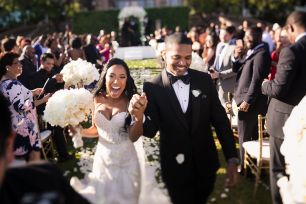
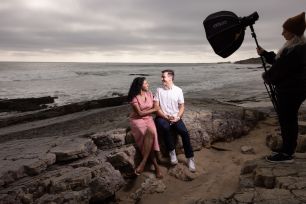
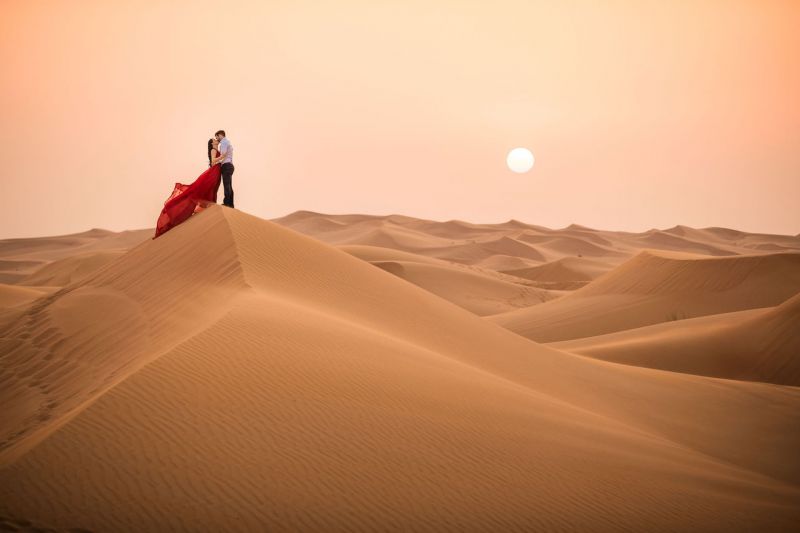
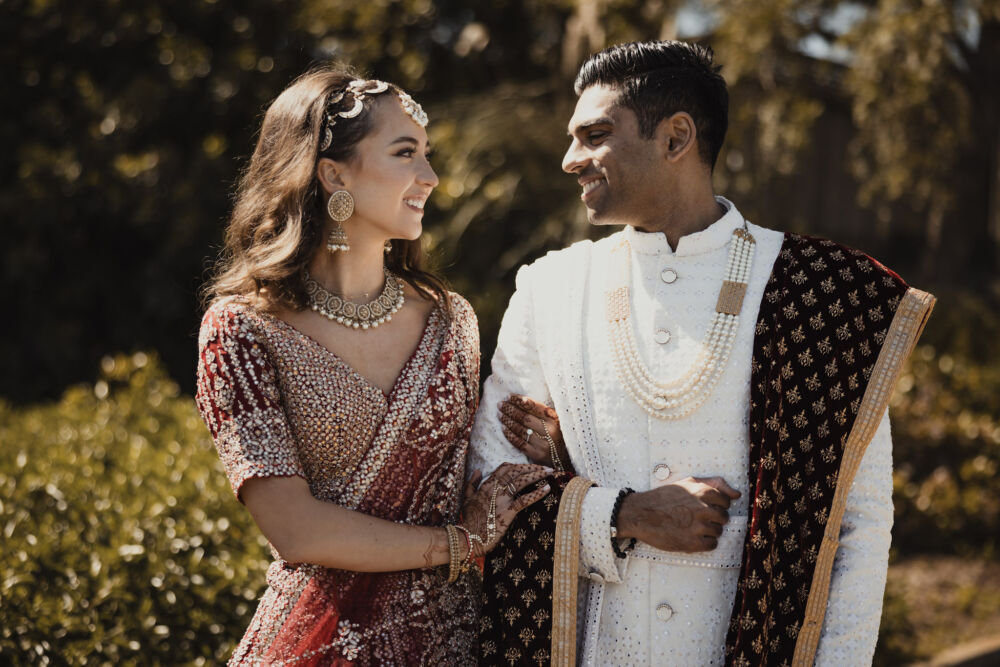
The following images were submitted by the award winning wedding photographers of Wedding Maps for the feature challenge “From Above.”
High Angle Photography Tips: At a Glance
This guide covers essential techniques for capturing compelling photographs from elevated perspectives, complete with real-world examples from professional wedding photographers.
- Find Interesting Shapes and Frames – Use elevated angles to reveal geometric patterns
- Capture Unique Angles and Moments – Seize fleeting opportunities from above
- Capture Beautiful Scenery – Showcase landscapes from fresh perspectives
- Use Lying Down Poses – Direct subjects for flattering overhead portraits
- Find Unique Foreground Elements – Add depth with creative layering
- Unique Perspectives for Photojournalism – Tell stories through elevated viewpoints
- Frequently Asked Questions – Common questions about high angle photography
Find Interesting Shapes and Frames in High Angle Photography
In high angle photography, photographers have an opportunity to find interesting shapes and frames to enhance the visual appeal of their shots. By shooting from a high angle, photographers have the opportunity to see and capture unique perspectives and showcase the beauty of various shapes and forms from above. When you elevate your camera position, the world transforms into a canvas of geometric patterns: circular fountains become perfect rings, winding pathways create S-curves through gardens, and architectural elements reveal symmetries invisible from ground level.
To achieve this, photographers should take their time to survey the scene from different angles and identify any shapes or patterns that catch their eye. They can then use their camera to frame these shapes in an interesting and visually pleasing way, using leading lines, frames within frames, and other compositional techniques to draw the viewer’s eye into the shot. Consider how your subjects interact with these geometric elements: a couple standing at the center of a circular courtyard creates a natural focal point, while positioning subjects along diagonal lines adds dynamic energy to the composition.
Camera Settings for Shape-Focused High Angle Shots
When photographing geometric shapes from above, use a smaller aperture (f/8 to f/11) to ensure sharp focus throughout the frame, particularly when you want both foreground patterns and distant subjects in focus. A wider focal length (24mm to 35mm) helps capture expansive patterns while maintaining context, though telephoto lenses (70mm to 200mm) can compress and isolate specific shapes for more abstract compositions.

Capture Unique Angles and Moments
High angle photography provides photographers with a unique opportunity to capture moments and angles that are not always possible with traditional low angle shots. From above, you can document the full scope of an interaction, showing how subjects relate to each other and their environment in ways that feel fresh and unexpected to viewers accustomed to eye-level imagery.
Photographers should also be on the lookout for interesting moments that can be captured from a high angle, such as people in motion or the changing patterns of light and shadow throughout the day. Wedding first dances become mesmerizing when shot from a balcony, revealing the swirl of a dress or the intimate bubble the couple creates on the dance floor. Group shots gain new energy when captured from above, showing the arrangement of guests and the overall atmosphere of the celebration.
Timing Your High Angle Moments
The key to capturing compelling moments from above lies in anticipation. Position yourself at your elevated vantage point before the action begins, whether that means climbing to a balcony before the first dance or finding a staircase overlooking the ceremony space. Use continuous shooting mode (burst mode) to capture sequences of movement, as the perfect overhead moment often happens in a split second. Pay attention to how shadows move throughout the day, as the low angle of morning and evening light creates longer, more dramatic shadows that add depth and interest to high angle compositions.


Capture Beautiful Scenery with High Angle Photography
High angle photography provides photographers with a unique opportunity to capture beautiful scenery from a fresh perspective. Look for ways to highlight the beauty of the landscape from above. This might involve using leading lines or geometric shapes to guide the viewer’s eye towards a particular point of interest, or framing the scenery in a way that emphasizes its natural beauty and unique features. Elevated viewpoints reveal the relationship between your subjects and their environment, showing how a couple fits within a sweeping vineyard landscape or stands out against dramatic coastal cliffs.
Scouting Locations for Scenic High Angle Shots
Before your shoot, research potential elevated vantage points at your location. Google Earth and satellite view can help you identify hills, overlooks, parking structures, or building terraces that might offer compelling perspectives. During venue walkthroughs, ask about rooftop access, balconies, or nearby elevated positions. Natural landscapes often feature hiking trails that lead to overlooks perfect for capturing couples against expansive backdrops. Consider the time of day as well: golden hour light raking across a landscape from above creates texture and warmth that midday sun cannot match.


Photo by Fits and Stops Photography (Website | Wedding Maps Profile) at Lands End Lookout in San Francisco, California United States of America


Use Lying Down Poses in Your High Angle Photography
Lying down poses can be an effective technique to incorporate into high angle photography. By capturing a subject from above as they lie down, photographers can create unique and visually interesting images that showcase the subject in a new light. This technique works particularly well for couples, as it creates an intimate, relaxed feeling while allowing the photographer to include environmental elements like flower fields, textured floors, or dramatic shadows in the composition.
Photographers should work with their subject to find the right pose that showcases their features and complements the overall composition of the shot. They can experiment with different angles and perspectives to find the most visually appealing shot, using lighting and framing to create interest in the image. Lying down poses can be particularly effective for capturing portraits, as they allow the subject to relax and present themselves in a more natural and comfortable way. The absence of gravity’s pull on facial features often results in more flattering portraits, as skin appears smoother and more relaxed.
Directing Subjects for Overhead Portraits
When directing lying down poses, communicate clearly with your subjects about where to look and how to position their bodies. Ask them to angle their faces slightly toward the camera rather than looking straight up, which creates more engaging eye contact. For couples, suggest they turn toward each other or have one partner rest their head on the other’s shoulder to create natural intimacy. Pay attention to hand placement, as awkward hands become very noticeable from above. Suggest subjects place hands on their chest, interlock fingers with their partner, or hold props like bouquets to give hands a natural purpose.


Find Unique Foreground Elements in High Angle Photography
When taking high angle photography, finding unique foreground elements can help add depth and create more dynamic compositions. This can include things like leaves, architectural elements, or rock formations. Experiment with different angles and perspectives to find the most unique and captivating foreground elements for your composition. Foreground elements create layers in your image, guiding the viewer’s eye from the top of the frame down to your subject, adding a sense of dimension that purely overhead shots sometimes lack.
Working with Natural and Architectural Foregrounds
Look for overhanging branches, balcony railings, window frames, or archways that can frame your subjects from above. When shooting through foliage, use a wider aperture (f/2.8 to f/4) to blur the foreground elements while keeping your subjects sharp, creating a dreamy layered effect. For sharper foreground definition that adds geometric interest, stop down to f/8 or higher. Consider the color and texture of foreground elements as well: autumn leaves add warmth, while dark architectural elements can create dramatic silhouettes that frame your subjects in shadow.


Find Unique Perspectives for Photojournalism with High Angle Photography
High angle photography can be a powerful tool for photojournalists to find unique perspectives on events and capture compelling images that tell a story. By shooting from a high angle, photographers can showcase the scale and scope of an event, as well as the interactions between different individuals and groups. This can be especially effective for capturing the mood and emotion of a scene, as high angle shots can provide a bird’s-eye view of the action that reveals relationships and dynamics invisible from ground level.
Documentary Applications for High Angle Shots
For wedding and event photography, high angle photojournalism excels at capturing the energy of crowded dance floors, the arrangement of ceremony seating, and the overall atmosphere of celebrations. Position yourself on staircases, balconies, or mezzanines overlooking key moments. Use a fast shutter speed (1/250s or higher) to freeze motion when capturing candid moments from above, and consider using a longer focal length (70-200mm) to isolate specific interactions within larger crowds. The overhead perspective also works brilliantly for capturing flat lay details like invitation suites, table settings, or getting-ready scenes where multiple elements need to be shown in relation to each other.


Frequently Asked Questions About High Angle Photography
What camera settings work best for high angle photography?
For most high angle shots, start with an aperture between f/5.6 and f/11 to ensure adequate depth of field, especially when shooting from significant heights where subjects may be at varying distances. Use a shutter speed of at least 1/250s for handheld shooting to compensate for any camera movement at elevated positions, and increase ISO as needed to maintain these settings in lower light situations.
Do I need a drone for high angle photography?
While drones provide exceptional flexibility for aerial perspectives, many compelling high angle photographs can be captured from buildings, balconies, hillsides, staircases, or even by holding your camera overhead on a monopod. Evaluate your shooting location for existing elevated vantage points before investing in drone equipment, and remember that drones come with regulatory requirements and may not be permitted at all venues.
How do I direct subjects for flattering overhead portraits?
Ask subjects to angle their faces slightly toward the camera rather than looking straight up, which creates more engaging eye contact and avoids unflattering nostril shots. For lying down poses, suggest they relax their shoulders and soften their expressions, and give hands a purpose by having them hold props or rest naturally on their chest or partner.
What focal length is best for shooting from above?
Wide angle lenses (24-35mm) excel at capturing environmental context and geometric patterns from above, while standard focal lengths (50-85mm) work well for portraits from elevated positions. Telephoto lenses (70-200mm) allow you to isolate subjects and compress backgrounds when shooting from significant distances, such as balconies overlooking event spaces.
How can I find good elevated shooting positions at venues?
During venue scouting, specifically ask about rooftop access, balconies, mezzanines, choir lofts, and staircases that overlook key spaces. Use satellite imagery from Google Earth to identify nearby hills or elevated terrain for outdoor locations. Many venues have hidden elevated positions that coordinators can point out if you ask during your walkthrough.
Conclusion
High angle photography is a unique and exciting way to capture stunning aerial shots that reveal the world from perspectives your viewers rarely experience. By following these tips, you can take your photography to the next level and create beautiful images that stand out in your portfolio. Whether you’re shooting from a balcony, a hillside, or using a drone, the elevated perspective opens creative possibilities for geometric compositions, environmental storytelling, and intimate overhead portraits. Always remember to put safety first and obtain permission when shooting from high locations, and take time to scout venues for their best elevated vantage points before your actual shoot day.