Landscape Photography
What Is Landscape Photography? A Brief Definition
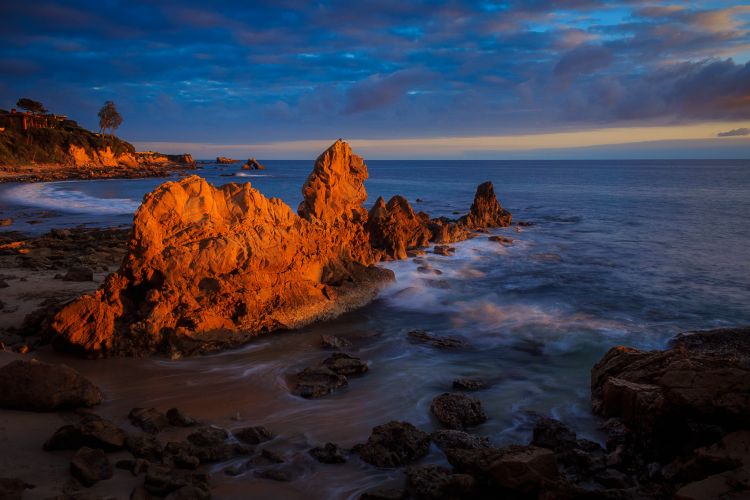
What is Landscape photography? Most importantly, this genre of photography captures natural landscapes. While these landscapes may have people, animals or architecture present in the photos, the primary focus of the photograph includes only natural scenery. For example, subjects of these photographs include seascapes, mountain ranges, rivers, forests, and other natural landscapes.
In contrast, this genre does not include views of cities, as photos of cities fall under the cityscapes category. Furthermore, it does not include close up photos of animals, which you’ll find in nature photography. However, landscape photos do include some astrophotography examples when those photographs include mountain ranges or other natural horizon lines where the sky meet nature.
The Best Cameras for Landscape Photography
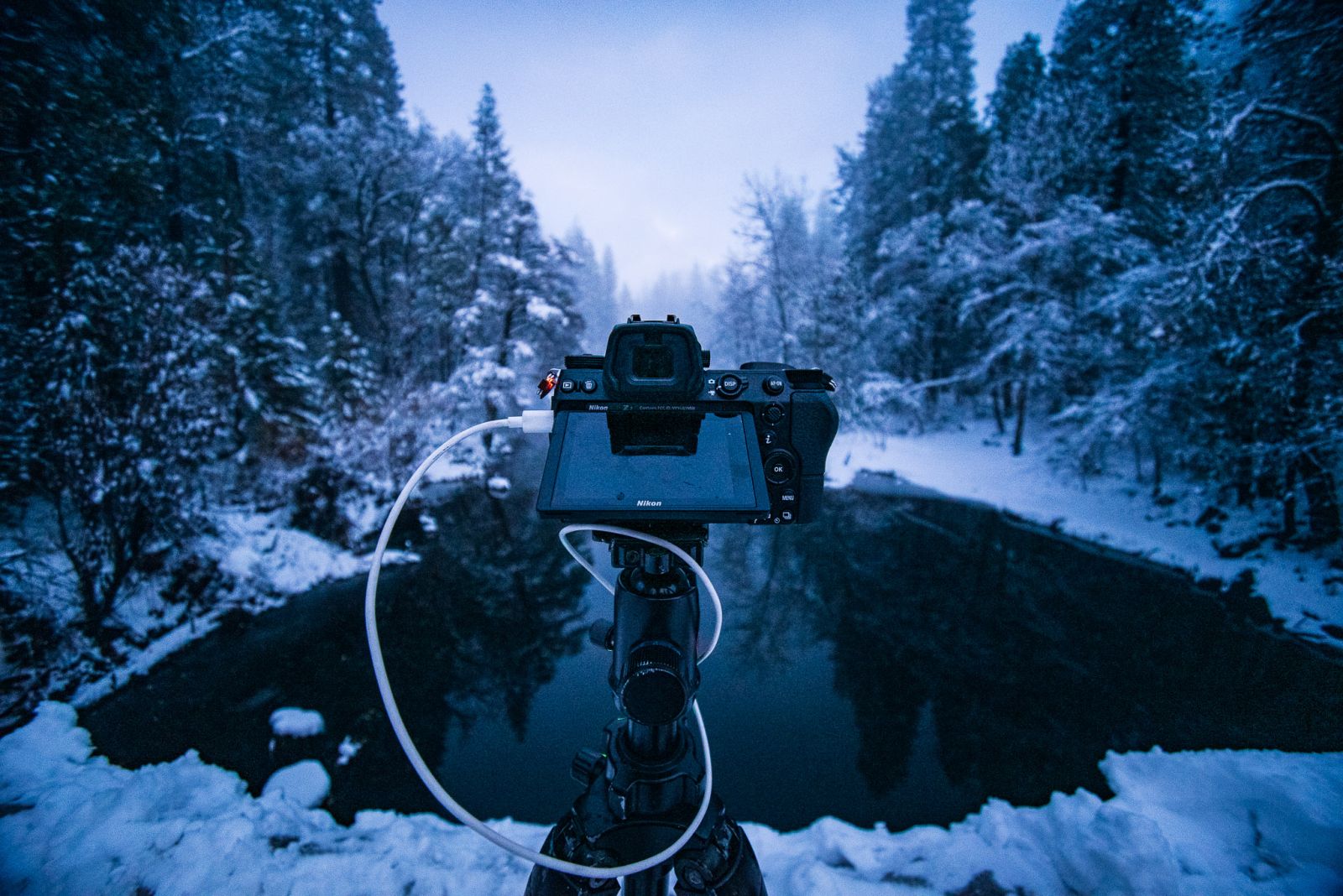
The best cameras for landscape photos feature high dynamic range and great low light performance. See our full list of The Best Nature & Landscape Photography Cameras for more info.
The Best Lenses for Landscape Photography
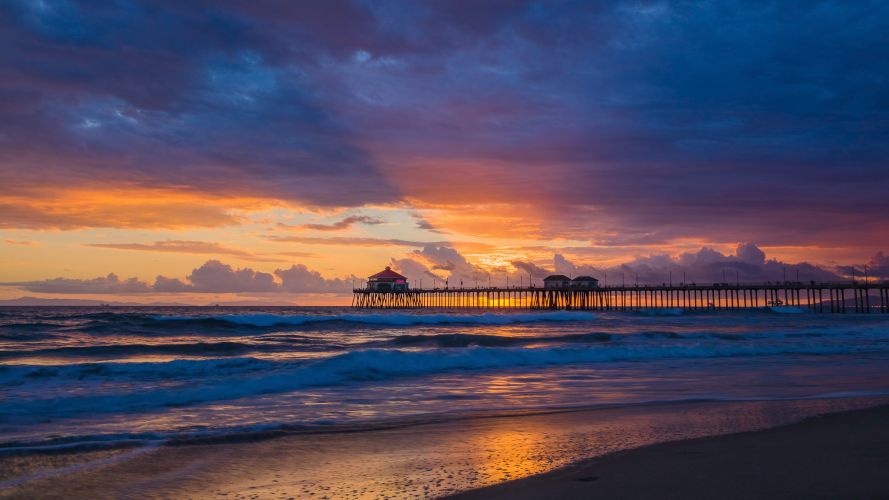
Determining the best lenses for shooting landscapes requires an understanding of your overall purpose. Generally, you’ll need a wide angle lens to capture vast scenes. You may also need a wide aperture prime lens to capture landscapes at night. See our full list of the Best Lens for Landscape Photos for more information.
Landscape Photography Tips
Landscape photography is a popular genre among photographers for good reason. With landscapes, photographers can not only capture beautiful scenes for their memories but they can also create incredible, stunning artwork. In this article, we will provide some landscape photography tips to help you capture better landscape photography.
1. Shoot in a RAW File Format

One of the most important landscape photography tips is to shoot in RAW format because it captures all the data from the camera’s sensor, providing a greater amount of control and flexibility during post-processing. RAW files allow for adjustments in exposure, white balance, and color temperature without sacrificing image quality, unlike JPEG files that compress and discard some of the data. This extra data in RAW files also enables landscape photographers to recover details in shadows and highlights that may have been lost in a JPEG file.
2. Shoot in Manual Mode
Landscape photographers should shoot in manual mode because it provides complete control over the camera settings and allows for more precise and intentional shots. In manual mode, the photographer can adjust the aperture, shutter speed, and ISO settings to achieve the desired exposure and depth of field. This is especially important when shooting landscapes where the lighting conditions can change quickly and dramatically. Shooting in manual mode also ensures consistency in exposure and allows the photographer to capture the scene exactly as they envisioned it. While it may take some practice to master, shooting in manual mode is a crucial skill for any landscape photographer.
Don’t Use The Automated Landscape Mode

Just don’t do it. Using landscape mode is like going to Supercuts; they’ll get the job done, but it won’t be pretty. Landscape mode typically closes down the aperture to increase depth of field, and will adjust the shutter speed to get a correct exposure. If you’re going to thrive in any photography discipline, then you’ll need to understand the Exposure Triangle and use Manual Mode to have a technical and artistic mastery over your camera and images.
3. Understand Your Subject
Not all landscapes are the same, and having a good understanding of your subject will help you prepare and capture the best possible photos. Here are some common types of landscape photography that you’ll encounter, along with links to articles for more landscape photography tips for each particular subject or type.
- Mountain Landscape Photography
- Beach Landscape Photography
- Lake Landscape Photography
- Forest Landscape Photography
- Winter Landscape Photography
- Night Sky Landscape Photography (Astro Photography)
4. Be Adventurous and Explore!
Walk around! Climb things! You need to explore your surroundings to discover the potential of the landscape you’re in. Don’t be afraid to take detours, to get close to the water, or to climb on rocks. Some of my most satisfying photos are a result of me trying new things. This landscape photography tip is one of the most important because without exploring, you never know what you’re missing!


5. Challenge Your Composition
When taking landscape photos it’s easy to simply “capture the scene” and call it a day, but where is the reward in that? You need to challenge yourself to find better and more stimulating landscape photography compositions. Don’t be satisfied with an image that everyone else has shot, challenge yourself to capture an image that’s unique. All of the technical landscape photography tips mentioned are less important than finding something unique and interesting to photograph.

- Go Beyond The Rule of Thirds – The rule of thirds is one of the first compositional tools we learn as new photographers, but don’t let it limit you.
- Look for Symmetry – Symmetry is pleasing to the human eye in general, and it works brilliantly in photography too.
- Include an Interesting Foreground – Implementing a foreground will give your photo more depth and make it more interesting.
- Have a Clear Subject – Busy photographs tend distract the viewer’s attention, so including a clear subject in your landscape photo goes a long way towards creating a good image.
- Try Minimalist Landscape Photography – Often times, less is more. Learn how to isolate your subject and remove distracting elements.
- Get Closer to the Ground – For an interesting perspective, get your camera down closer to the ground.
- Use Reflections – Reflections help create balance and symmetry to landscape photos.
6. Be Patient in Landscape Photography
Landscape photography is unique in that you cannot simply cue the action and capture the moment; you have to wait. Sometimes this requires waking up at ungodly hours, hiking many miles, or sitting on your sandals with the crabs and clams for an hour (which I did to capture the photo above). Be patient, it’s easy to quit in the moment, but it’s well worth the captured image in the end.

It’s perfectly fine to shoot a lot of images, but don’t just “spray and pray!” Take your time, think about composition, exposure and visualize what you want your final image to look like. Also, if you shoot a lot of frames, then shoot a lot of frames from different angles or objects. Don’t just take the same photo a dozen times.
7. Shoot During the Best Times of the Day
The best times to photograph most landscape scenes is during times with directional light. This is often times golden hour at sunrise or sunset. However, you might also find unique opportunties during blue hour and night time. Each scene can look entirely different in different light, so do some research before heading out on your landscape photography adventures.
8. Edit Your Landscape Photos

Landscape photographers should edit their photos because post-processing can enhance the image and bring out the full potential of the shot. Even the most stunning landscape photo can benefit from minor adjustments to exposure, color, and contrast. Editing allows the photographer to fine-tune the image and bring out the details that may have been lost in the original capture. Additionally, editing can help create a more impactful image by emphasizing certain elements, adjusting the mood, or removing distractions. You might even want to shoot or edit them as black and white landscape photos.
With the right editing skills, a landscape photographer can turn a good shot into a great one. We’ve created a set of Landscape Photography Presets to speed up the editing process and to help you achieve various looks in a single click!
9. Show a Non-Photographer Friend Your Best Images

This is actually a tip that applies to every kind of photography: print some of your best photos and show them to a good (honest) friend. Because you are obviously pretty close to your pictures, (you took them), you can’t judge them as well as someone else could. Also you could make the mistake of focusing too much on the technical aspects of your image. Your friend who doesn’t know anything about the technical stuff probably won’t make that mistake.
10. Enjoy The Process of Capturing Landscapes

Landscape photography can be an agonizing experience, but it’s also extremely enjoyable if you approach it the correct way. Personally, I used to hate traveling alone and taking photos by myself. After a few times of going out alone, I began to find the entire process meditative, and I began to enjoy myself when I ventured out to take Landscape photos. As soon as I started to enjoy the process, my photos also improved significantly. If you ensure that you’re enjoying each experience, then all of these landscape photography tips will soon become second nature.
11. Know Your Gear
All of the landscape photography tips are useless if you don’t know how to use your gear. And I don’t mean own the best gear. I just mean learn what your equipment is capable of doing and what it isn’t. Figure out the limitations of your gear and try to find workarounds for avoiding them.
Here’s a list of essential landscape photography gear:
- Full Frame Camera
- Wide Angle Lens
- Sturdy Tripod
- Cable release
- Waterproof Camera Bag
Related Articles
Each different type of landscape requires a different approach and requires a unique understanding of the various challenges and elements. To help, we’ve created specific articles on this topic.

How To Take Mesmerizing Travel & Landscape Photos With Long Exposure
Think back to the last time you saw a great photograph and consider why you felt awestruck. More than any ...

Making Easy Work Of Common Exposure Blending Issues
Jimmy McIntyre once again exposes some common challenges to be far simpler to resolve than you might think, and quicker.

7 Waterfall Photography Tips to Expand Your Creative Vision
Have you ever tried to photograph waterfalls and been disappointed with the results? Do you want to know how to ...

Adorama Debuts “Shooting for Everest with Renan Ozturk” Series
This Five-Episode Series from AdoramaTV Goes Behind the Scenes of Preparing for a Mt. Everest Film Expedition.

Best Lens For Landscape Photography | Complete Guide
Landscape photographers can be some of the most obsessed pixel-peepers around! And, when it comes to lenses, it seems that wide-angle optics are a favorite subject for heated debate. Which exotic new lens goes wider? Which is sharper? If you have ever wondered these things, well, you're in the right place, but you also need a reality check...

What Is The Best Camera For Landscape Photography – Nikon, Canon, Sony, Fuji, Pentax, Olympus?
Photographing a sunset or a sunrise sounds like a pretty easy thing to do, but if you ask any serious ...

Polar Pro Filters Summit Landscape Kit – An Innovative New Filter System
If you're into landscape photography, especially if you shoot video or time-lapse video, then you need to know about square filter systems!

Five Reasons Why Nikon Is Still The Champion Of Landscape Photography
The more you specialize in one of these types of photography, the more you should consider all of Nikon's options...

Exposure Balance in Landscape Photography – What To Do To Get The Perfect Exposure
Ever heard of the magic cloth technique? It has nothing to do with a flying carpet. It's one of six solutions provided here to help you balance the exposure of both the landscape and sky in your photos.

Landscape Photography Ultra Wide Angle DSLR Lenses – The Complete Guide
Introduction Landscape and general outdoor photographers usually worry about one thing when it comes to their wide-angle lenses: Sharpness. As ...