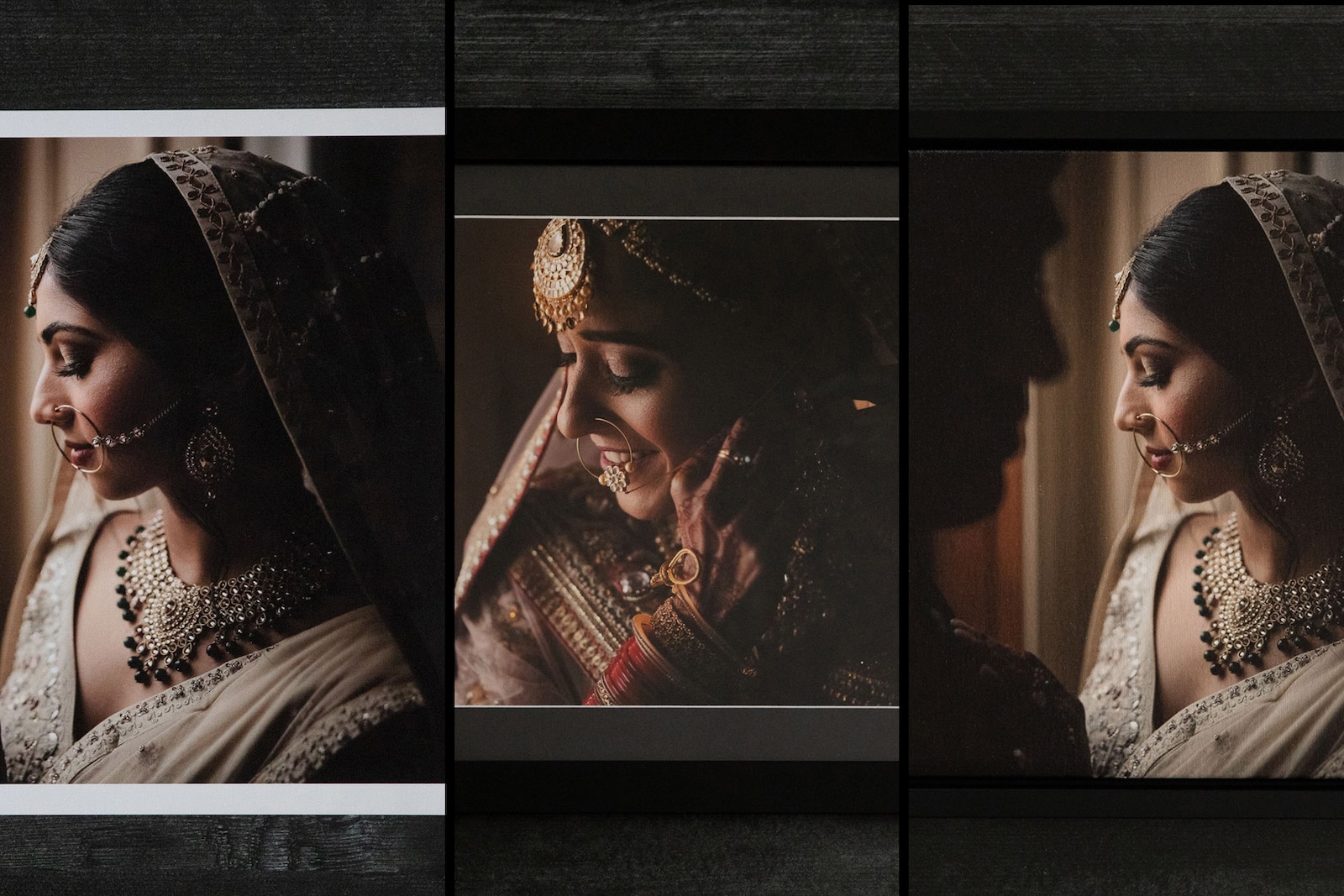
When we talk about the value of preserving photos, prints still do what digital files cannot. Sure, digital is convenient, fast, and easy to share, but it’s also easy to ignore. Think of the countless images that live on your phone, hard drives, or social feeds. They tend to disappear rather quickly, no matter how important the photos (and the memories attached to them) are! Printed photos, on the other hand, especially framed prints, change all of that. They remove images from “feed culture” and place them into everyday life. Framed prints become part of our home and part of our family’s routine. That shift matters, not only for clients, but also for photographers who want to build a business around work that lasts.
Regarding the latter, the real trick when choosing a print lab to work with is maxing out quality while not wiping out the budget. This can prove especially tricky when it comes to framing your prints. Framing is where many otherwise affordable print options start to fall apart. It is not always the print itself. More often, it is the frame materials, the assembly, the presentation, or the overall finish quality that makes or breaks the final piece.
In this review, we’re taking a look at Lumaprints. We’re not trying to catalog every product and service they offer, but we’ve selected a couple of go-to print options (a framed canvas and a framed fine art print) to show how Lumaprints balances quality and affordability. The results might surprise you.
Let’s get into it.
What We Tested
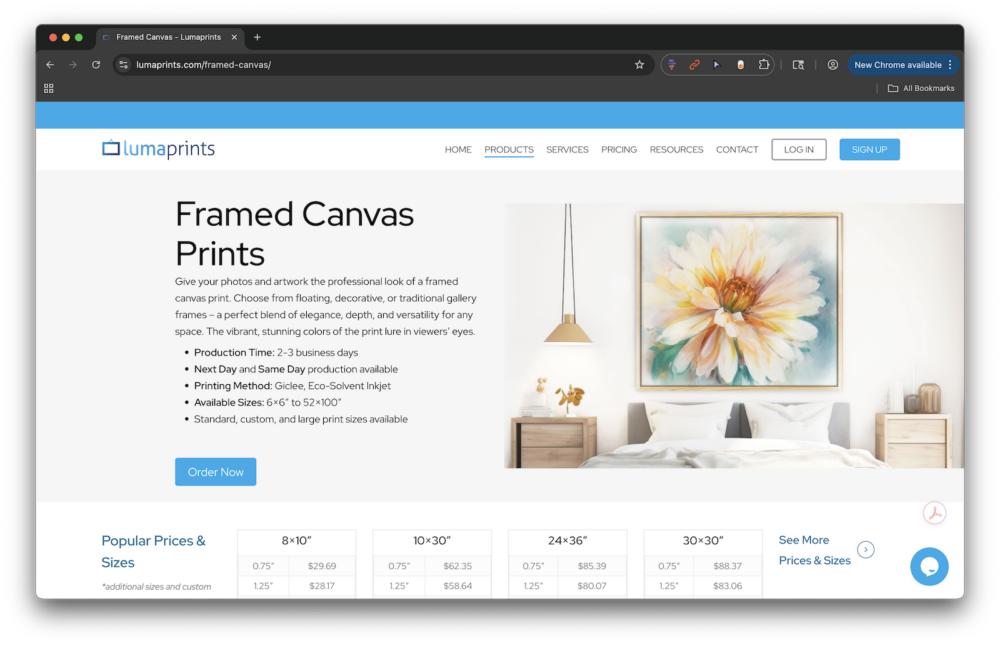
For this review, we ordered two framed wall art pieces and one print-only piece from Lumaprints:
- Framed Canvas Print, 12×18″ with 1.5″ thick frame
- Framed Fine Art Paper Print, 12×18″ with 1.25″ thick frame
- Fine Art Paper Print, 12×18” with .50” bleed on all sides
We chose these sizes on purpose. A 12×18” canvas is a common format for hallways, living rooms, and wall space above furniture, while a framed fine art print also offers a classic statement size for portraits. Larger pieces (such as 24×36” prints) also work well for this purpose. Lumaprints offers prints from 6×6″ to 52×100″ as well as other standard, custom, and large print sizes.
For our purposes, this combination of print products allowed us to evaluate two noticeably different use cases to cover likely options that your clients might choose.
Who Lumaprints Is For
Lumaprints positions itself around high-quality materials at an accessible price point, with a particular emphasis on framed products. For photographers, that is an important category to evaluate because framed wall art is often where the final client experience is won or lost.
The key differentiators we wanted to test in this review include the following:
- Solid wood frames (not MDF)
- Premium canvas and fine art paper
- Giclée printing
- Overall quality relative to price
Plenty of labs can produce a decent print. The real question is whether the finished piece, print, frame, assembly, and presentation, holds up as a product you would confidently sell to your clients.
Ordering and File Prep
Let’s begin at the beginning and discuss our experience ordering the prints from the Lumaprints website. We’re including this in the review because when it comes down to it, ordering workflow matters when you are using a lab regularly.
Upload and Product Selection Flow
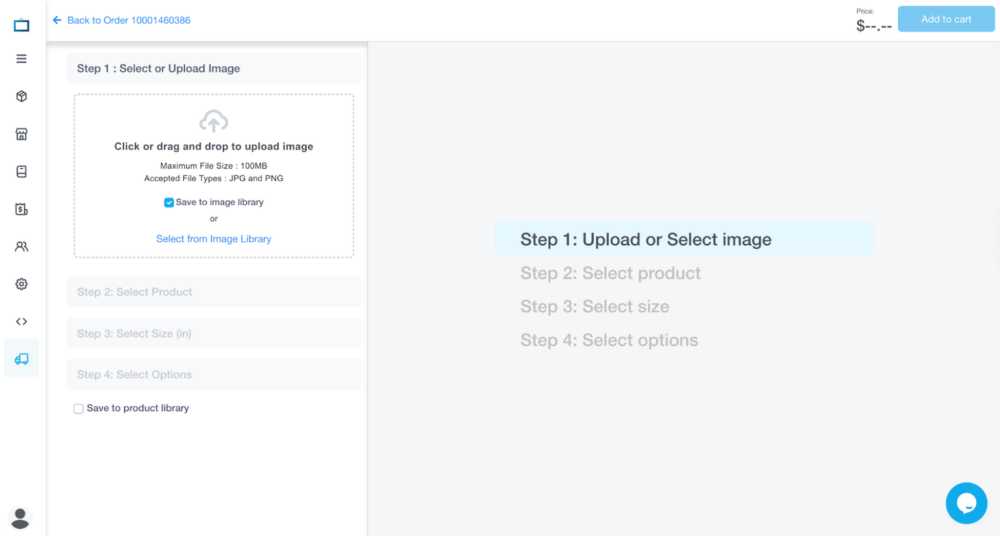
To kick things off, it couldn’t have been easier to upload our images and select our print options. The user interface is clean and easy to navigate. As illustrated in the screenshot above, you can see the steps are neatly laid out, and the drag-and-drop capabilities makes it easy to add your JPG or PNG image files.
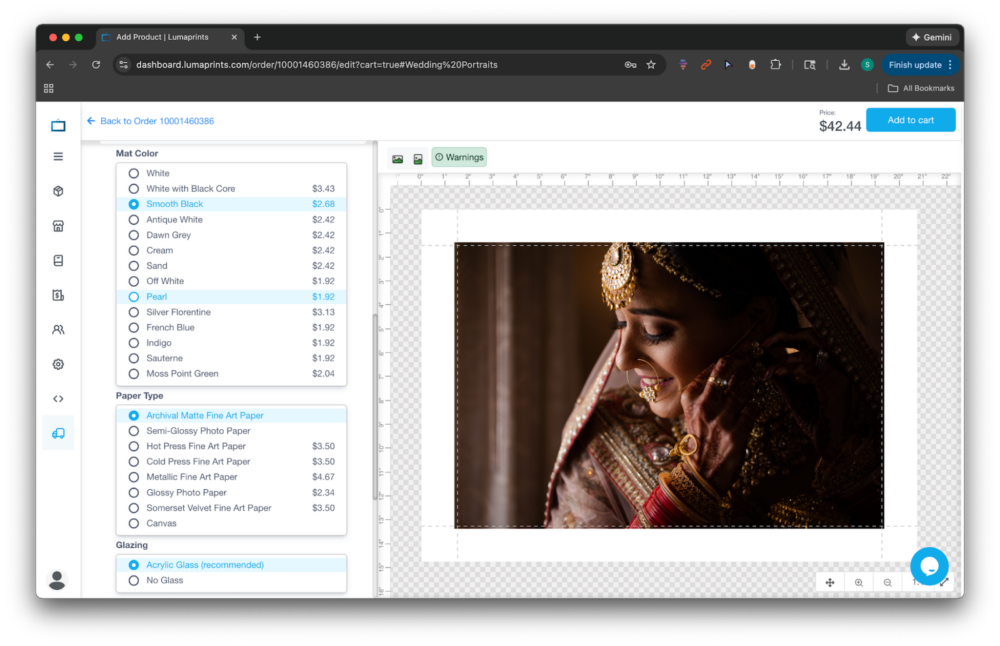
While working through the ordering process, the options (e.g., Mat Color, Paper Type, Glazing, etc.) are clearly presented, and the preview shows exactly how your images will appear when printed, whether folded for canvases, cut white borders for stand alone prints, or whatever else you might choose. We’ll get into this later, but this last part matters when the actual prints arrive, especially if you’re selling the prints to clients. The prints we received accurately reflected the previews we were given.
Turnaround Time & Shipping Details
It took only three days from the point of order to receive a shipping update (which is in line with their promise of a 2-3 day production time), and the prints arrived exactly one week later. In our experience, having worked with a variety of printers, this turnaround time is on par with most pro labs. In fact, some labs take longer. Times will vary, of course, based on location, the style and quantity of products ordered, among other factors, but this turnaround time was perfectly fine.
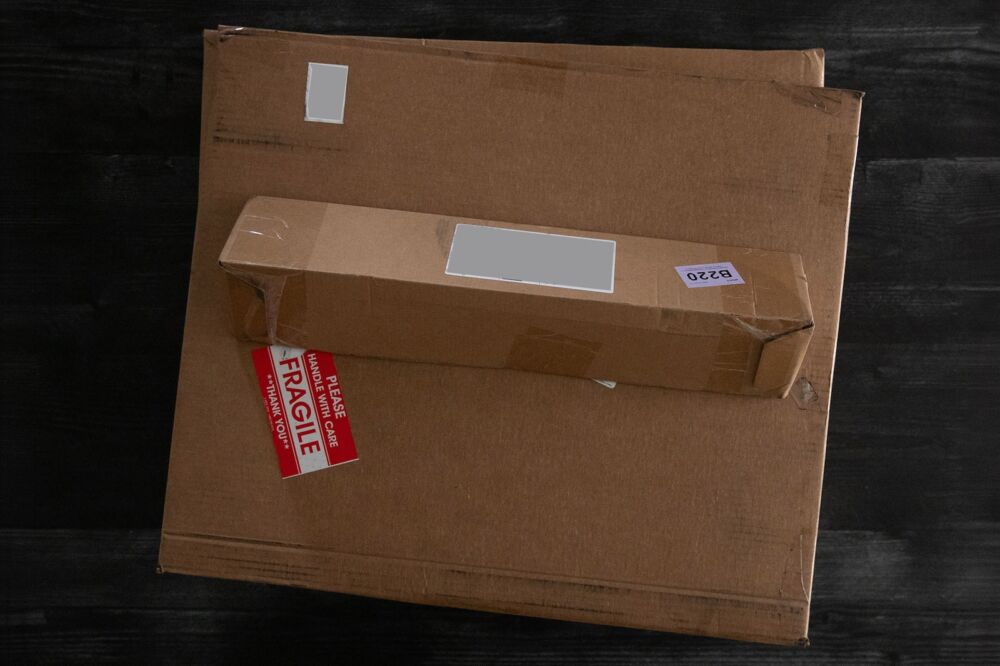
We ordered three prints in total, two in frames and one without, and each print arrived individually boxed. Some print labs will package small to medium-sized framed prints together, but getting dedicated packaging from Lumaprints is a plus.
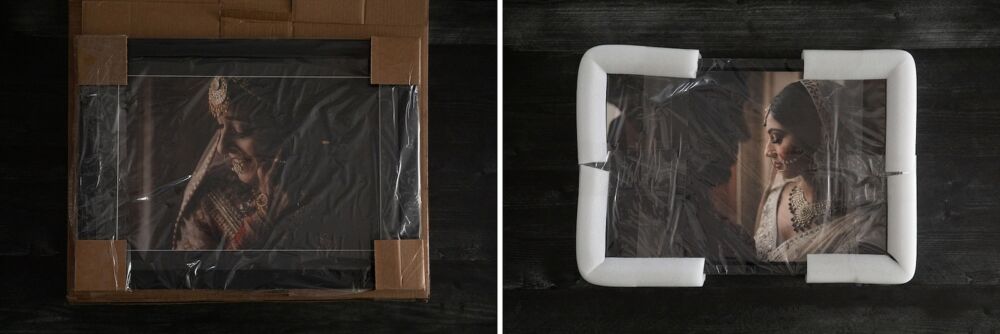
As you can see in the images above, Lumaprints took great care with packaging the prints for safe travel. Each print arrived in perfect condition with padded corners and tightly-wrapped plastic. It did take a bit of careful maneuvering to get the prints out of the packaging, but it is worth it to have everything packed securely enough to avoid getting damaged in transit. We believe that this is the kind of tradeoff most photographers and their clients will gladly accept.
Now that the prints have arrived, let’s take a closer look at the specs.
Build Quality and Materials (Framed Canvas and Framed Fine Art Print)
As we mentioned up top, one of the key differentiators we wanted to look at is Lumaprints’ use of solid wood frames. With framed wall art, the frame is not a small detail, it is a major part of the product.
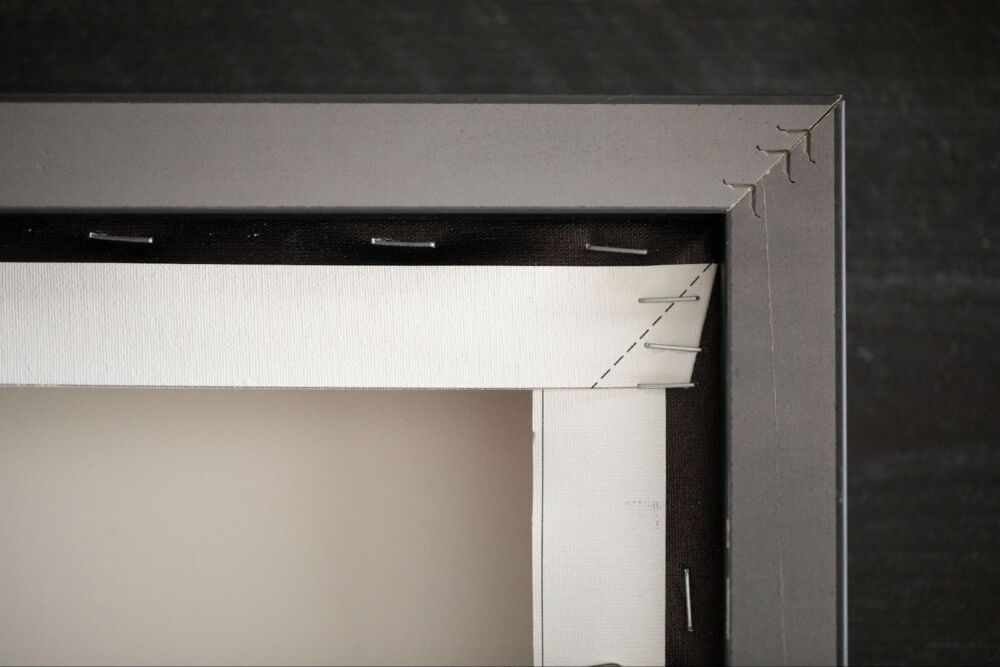
It is quite clear from their product descriptions that Lumaprints prides themselves on using solid wood frames. Why is this a big deal? Solid wood frames generally feel sturdier, look nicer, and tend to hold up better over time when compared to commonly-used MDF, especially in larger wall art where rigidity and clean corner joints matter. MDF can be more affordable, but it’s also heavier and often less refined in the final product.
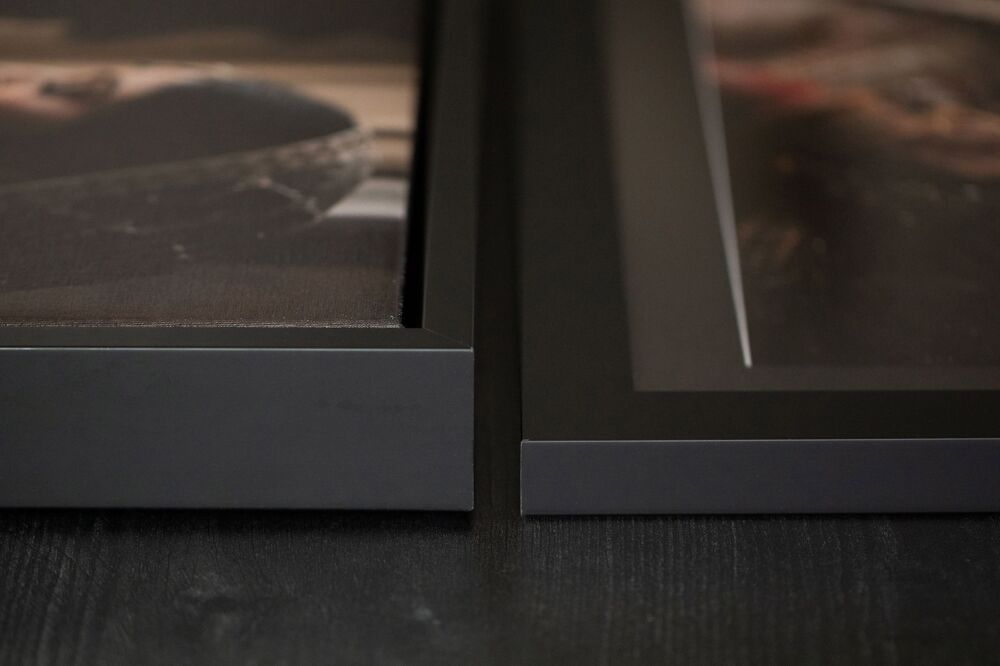
Lumaprints’ frames, for both the canvas and fine art prints, feature tight corner joints, free of unsightly gaps. The smooth surface keeps a uniform appearance under normal room lighting, which is something you’d expect in a professional frame, but not all “pro” frames deliver this level of quality. In addition, and equally important to the other attributes listed here, the frames are straight and sturdy, and they rest flush against the wall. At the end of the day, you can see and feel the quality. At this price point (which we’ll also get into later), Lumaprints is punching above their competitors at a noticeably lower cost.
Frame Options
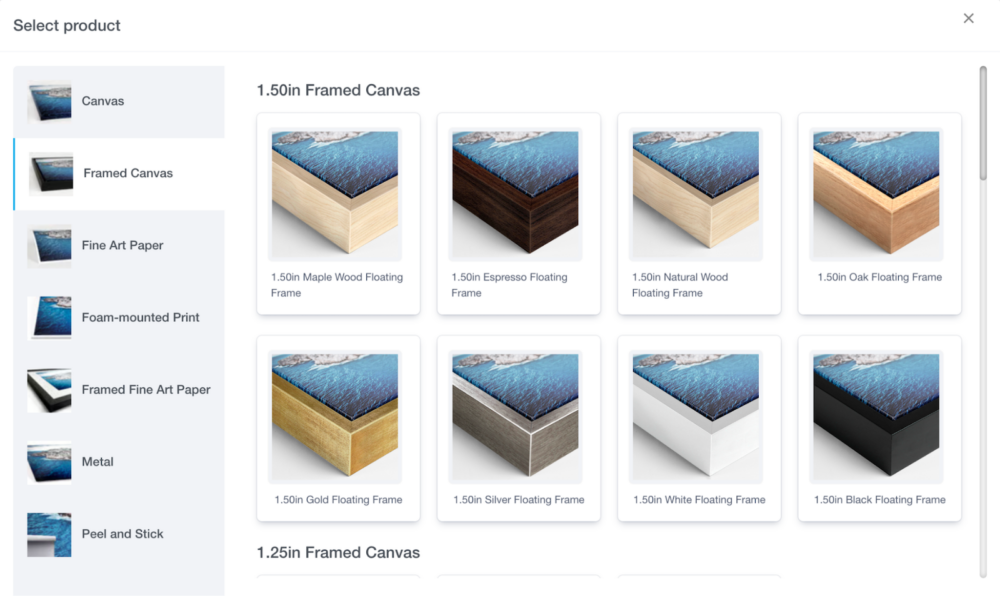
Because framing is such a large part of what Lumaprints does, it makes sense that they would offer a healthy variety of framing options. As we already mentioned, all frames are made from solid wood.
For the framed canvas, you can select from floating frames, decorative frames, or traditional gallery frames. Each comes with options to choose from a number of different colors and thicknesses, making it easier to bring your vision to life and pick the best frame for your canvas.
Here’s a quick look at the specs for the framed fine art prints, all of which is clearly outlined on the Lumaprints website:
- Material: Solid wood
- Face Width: Varies depending your selection
- Glazing: [optional] Optical-Grade Clear Acrylic
- Print Mounting Options: Dry-mounted to Foam Core / Loose mounted (not available if no glass/glazing option is selected)
- Backing: [optional] Kraft paper dust cover
- Hanging Hardware: Hanging wire installed / Sawtooth hanger installed / Corner sawtooth installed
- Size option: Customizable up to 40×60 in glass size area
- Colors: Varies depending on frame style
Backing and Hanging Hardware
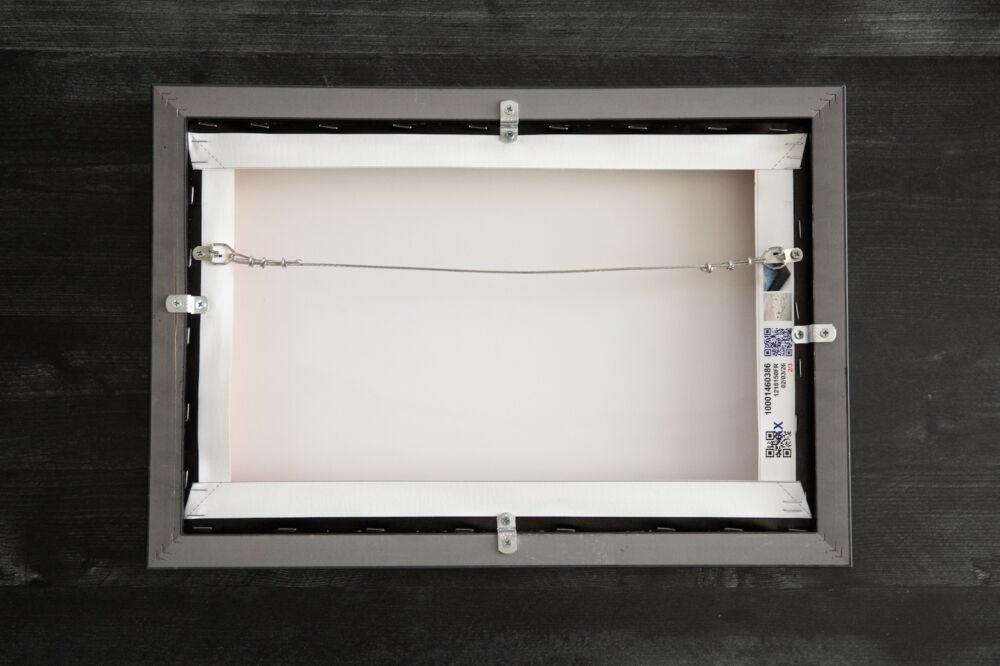
Framed prints from Lumaprints come ready to hang with a variety of hanging options to choose from (Hanging wire, Sawtooth hanger, Corner sawtooth), all of which are installed. We went with hanging wire for the framed canvas and sawtooth hangers for the framed fine art print.
Print Quality
Let’s start with the Fine Art Paper Prints.
Framed Fine Art Paper Print (24×36, 1.25″ Frame) and Fine Art Paper Print (No Frame)
And now, we can take a look at the print quality of the framed fine art print and fine art print without a frame.
Paper Types
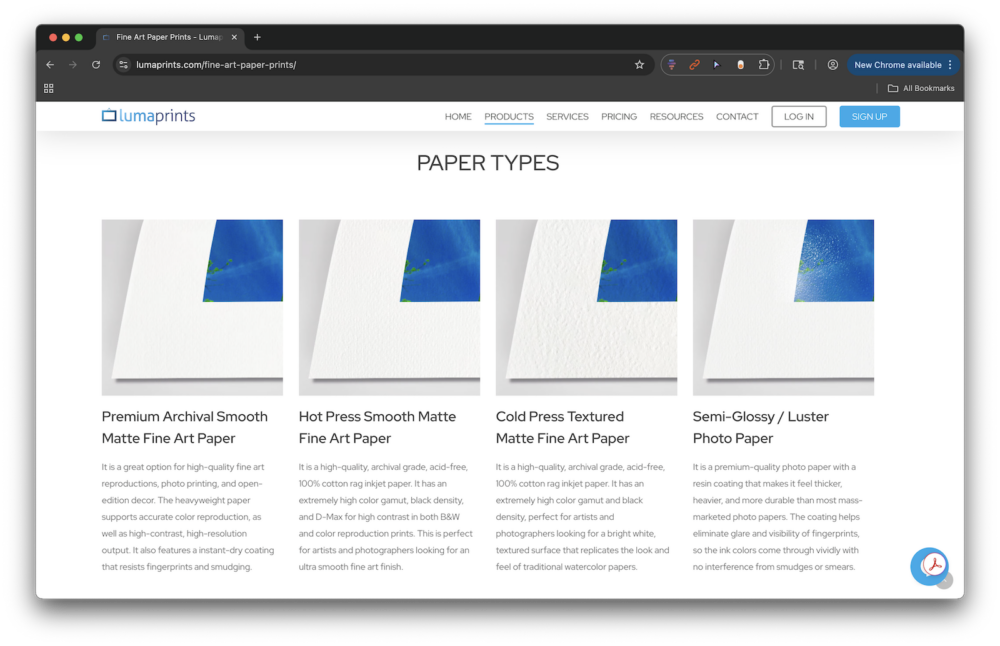
Let’s start with paper type. Fine art paper is usually where subtle print quality differences become easier to see, especially in skin tones, tonal transitions, and fine detail. How well the print holds up can determine if it feels more like something you’d seen in a gallery vs something you’d pick up from a print shop inside a big box store.
Lumaprints offers a variety of paper options, each suited for different purposes. We chose Premium Archival Smooth Matte Fine Art Paper, which is a heavyweight paper noted for its “accurate color reproduction…and high-contrast, high-resolution output.” Other options offer a glossier finish or textures like those you’d find used for watercolors. This particular option works perfectly for wedding and portrait imagery.
Giclee Printing
It’s worth noting that Lumaprints offers giclee prints, which use inkjet printers and pigment-based inks. This is another distinguishing factor that separates Lumaprints from labs that offer only digital prints. Giclée prints are valued for durability, as they tend to hold up well against smudging, light exposure, and even humidity.
Framed Fine Art Print Quality
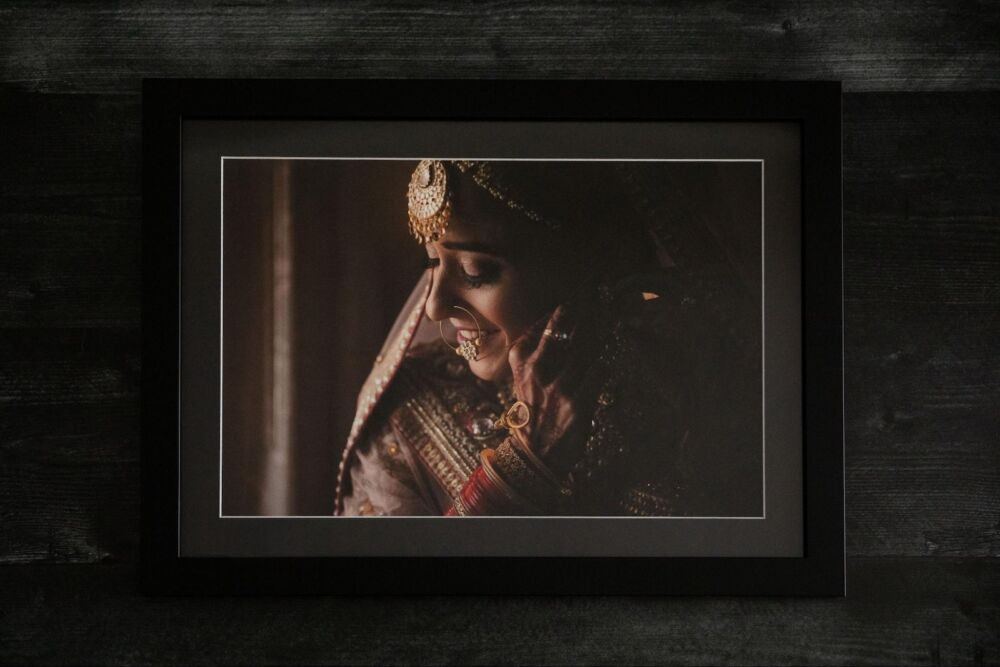
To begin, the framed print sits flat (it is dry–mounted to foam core) with no visible rippling, and it is cleanly aligned and centered in the frame. It is similar to the presentation of the framed canvas as it presents like a top-quality, professionally framed print.
Fine Art Print Detail

In terms of detail, we looked at fine textures, hair, fabric, and edge detail to judge how literally the fine art paper rendered the image. What we found is that the fine art paper also demonstrates clear shadow separation and highlight preservation. Lumaprints’ fine art paper tends to look very sharp, with strong tonal nuance, as you’d expect when working with a professional print lab.
Print Only (No Frame)
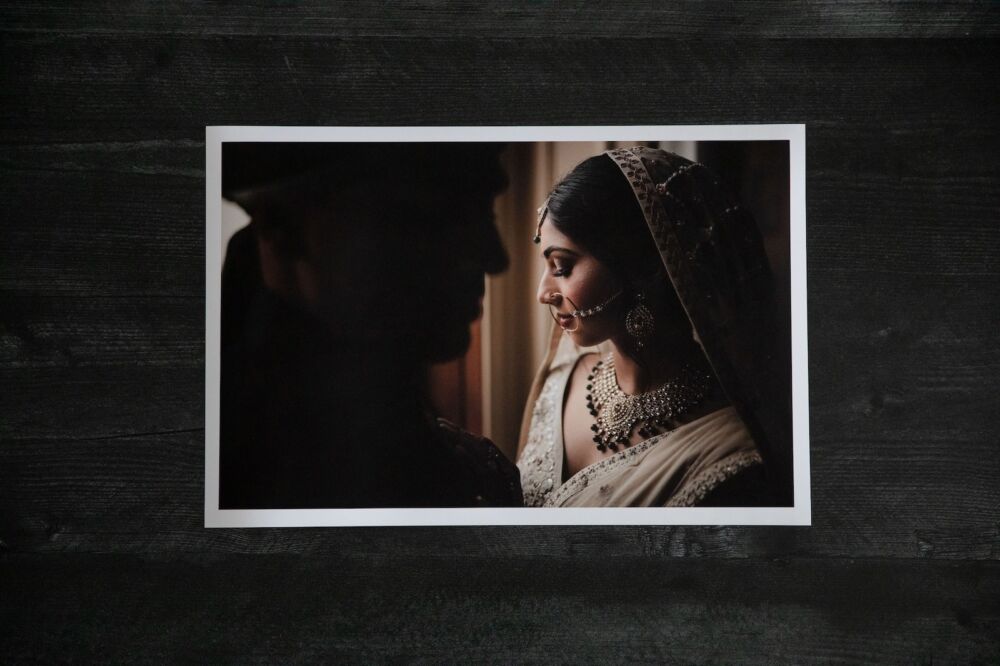
In addition to the framed pieces, we also reviewed a print without a frame. We felt that doing this would be useful because it isolates print quality from frame construction and assembly.
Why does this matter? This quick check helps confirm whether any issues or strengths I noticed in the framed pieces were coming from the print itself, or from the framing, glazing, and assembly. As it turns out, the quality was consistent across all prints, regardless of whether they were framed or printed on paper or canvas.
Framed Canvas Print
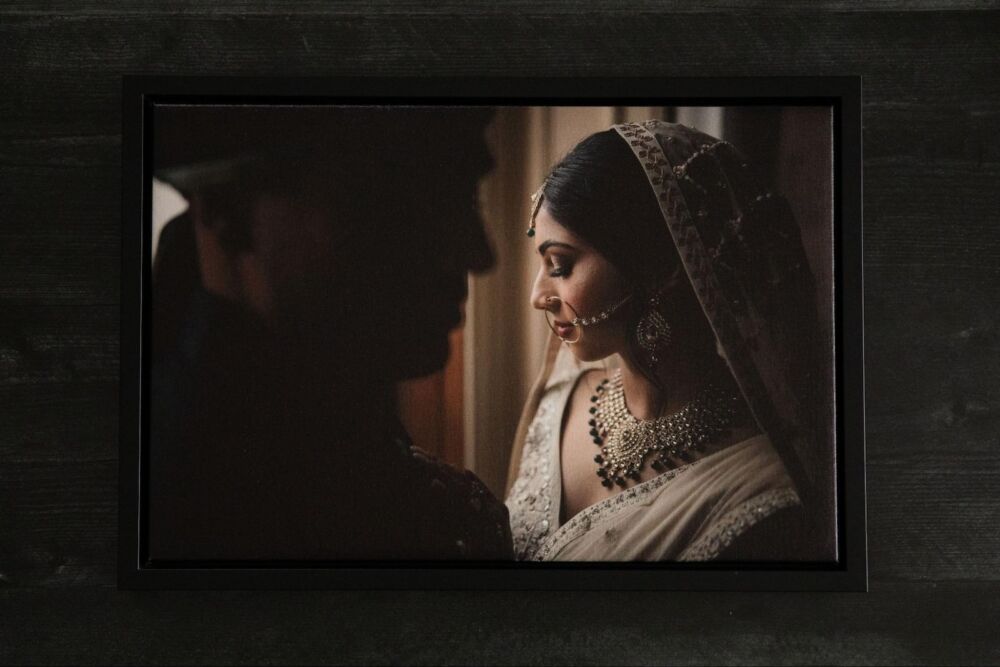
And now, we can jump into the framed canvas print. This is one of our favorite print options from any lab. Canvas alone is a staple for prints. They’re well established as a traditional print product and their durability lends to their purpose of preserving the memories they showcase. That said, not all canvases are created equal in terms of quality, build, and presentation. Here’s what we found when reviewing the framed canvas from Lumaprints.
Canvas Quality, Build, and Presentation
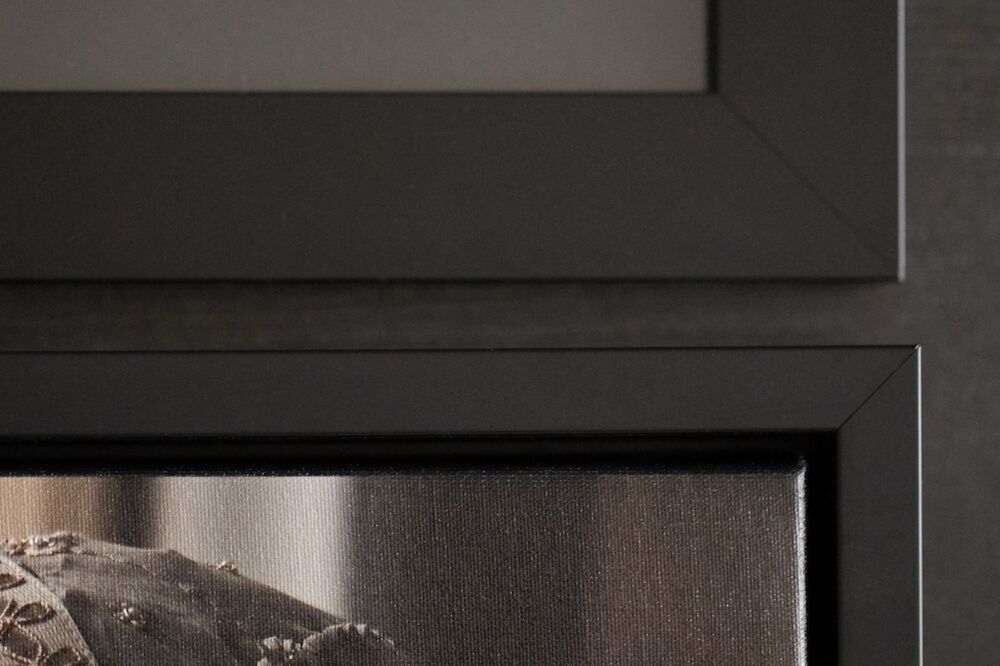
The framed canvas we received was tightly wrapped with the perfect amount of tension, which is exactly what you need to avoid any visible warping or waviness. There were no slack areas, and the corners were also tight and clean, as illustrated above. We would feel comfortable handing this framed print directly to a paying client.
Print Quality Evaluation (Framed Canvas)
For the canvas, we focused on how the print performs as wall art at normal viewing distance, then checked closer for color and detail.

We are very excited about the level of color accuracy and skin tones featured in the canvas print. Like we did for the fine art paper prints, we paid attention to the neutral colors, skin tones, reds, greens, and overall color balance to see whether the print leans warm, cool, magenta, or green compared to the digital file. While the presentation here is really comparing two digital files since we had to photograph the canvas print, we can confidently say that the colors and skin tones in the canvas accurately reflect those featured in the digital file.
In terms of detail, again, we look closely at areas with fine detail (hair, fabric texture, edges, contrast) to see how much detail the canvas retained. Once again, Lumaprints came through with flying…details. Canvas is usually more about impact and presentation than absolute micro-detail, so it’s impressive to note how detailed the canvas print is.
There is clear shadow separation with the blacks staying detailed without getting crushed. The highlight roll-off allowed bright areas to stay smooth and there’s no banding, which we sometimes see in prints with bright highlights. Lastly, the texture of canvas always changes the feel of an image, usually in a way that feels more painterly and slightly more forgiving. The detail here, however, comes through despite the texture, almost to the point that you might not immediately notice that you’re looking at canvas, especially from any sort of distance.
Pricing and Value
One of the biggest selling points for Lumaprints is the value proposition, especially since the final quality holds up in person.
What These Test Pieces Cost (Base Pricing)
For this review, the base pricing on the two test products was as follows:
- 12 x 18” framed canvas (1.5″ frame): $65.46 with hanging wire installed and foamcore underlayer
- 12 x 18” framed fine art paper (1.25″ frame): $45.94 with smooth black mat and Hot Press Fine Art Paper
- 12 x 18” fine art print (unframed): $6.49
These numbers are notable because we are not talking about loose prints in the first two selections. These are framed, ready-to-hang pieces.
Why That Matters in Practice
You are not just paying for a printed image. You are paying for all of the following:
- A finished, framed presentation
- Solid wood framing (not MDF)
- Giclée output
- A ready-to-deliver product for clients
From a studio perspective, that can translate to:
- Easier wall art upsells
- Cleaner, more professional delivery
- Less time spent sourcing separate framing solutions
- Less risk of cheap frame materials undermining a strong image
At these price points, the conversation shifts from “Should I even offer framed prints?” to “Which rooms do we want to put these in?”
Pros and Cons
Pros
Here’s a quick list of pros we’ve gathered for Lumaprints, which pretty much aligns with what we were looking for when we set out to test and review these prints:
- Quality relative to price
- Solid wood framing (not MDF), which gives the pieces a more premium feel
- Giclée output with strong color and detail
- Ready-to-hang convenience, which makes client delivery easier
Cons
There’s not a lot to include here, but we can refer back to the unboxing as a soft con. Unboxing can be a bit difficult due to the secure packaging, but it really is more of a protection-first tradeoff.
Bottom Line
If you want framed wall art you can confidently deliver to clients without pushing them into premium pricing territory, Lumaprints’ framed canvas and framed fine art prints are worth a serious look. Once you factor in the build, presentation, and overall print quality, the value proposition is hard to ignore.