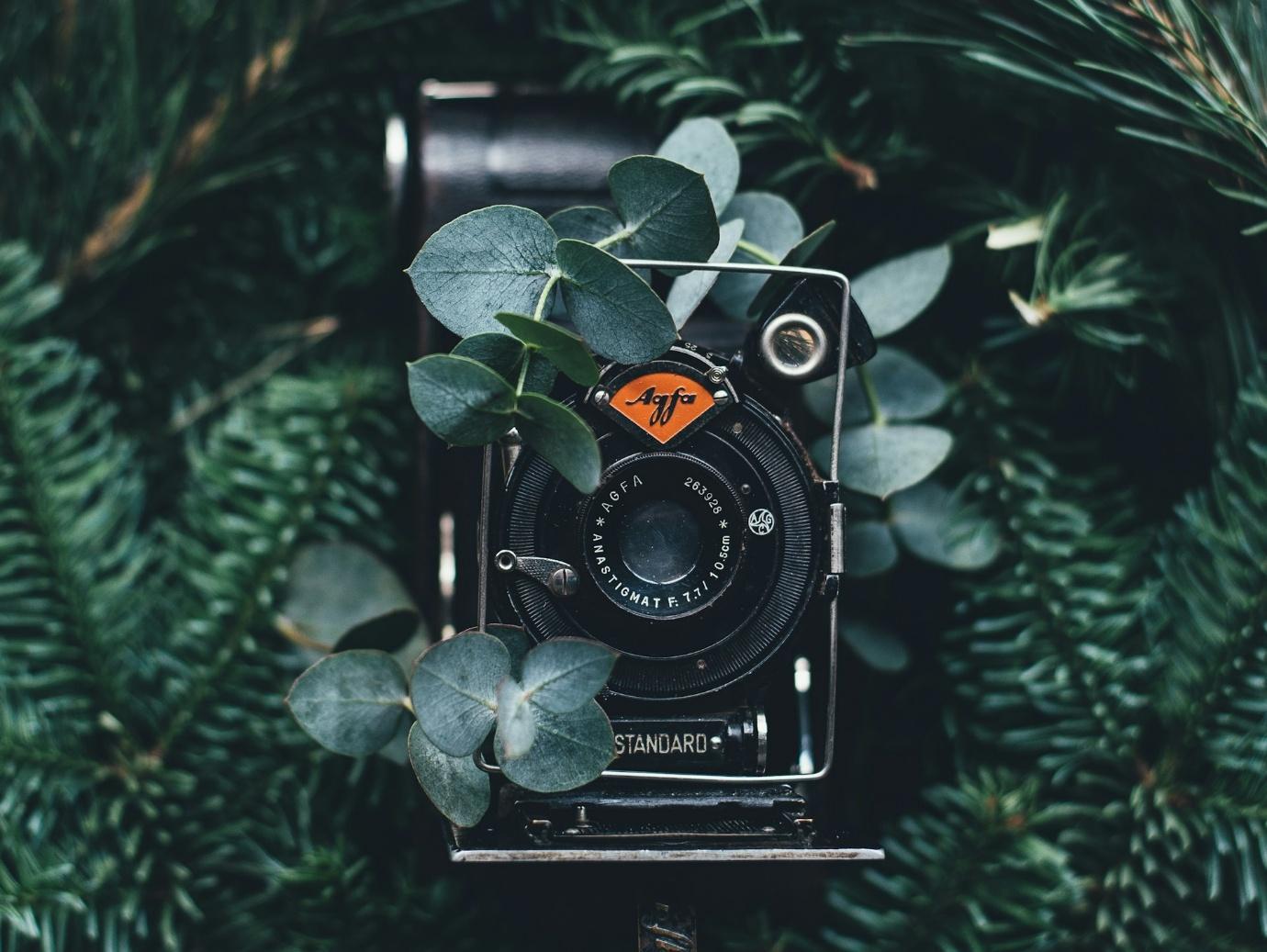
We no longer live in a time where anything traditional gets cast off as obsolete without a second thought. In artistic circles, especially, one word has easily found its way into regular use, and that word is revival. There’s a sense that originality for content creators now comes from interpretation, not invention—what feels new is often recontextualized. Photography, of course, falls under this logic too. Once disregarded as too slow or too limiting, vintage camera models have found renewed purpose as serious tools of expression. They slow things down, they reintroduce friction, and in doing so, they teach us something new. Or rather, something old that needs its own revival – patience (among other things, of course). Also, here’s another thing that vintage cameras teach us about modern photography: we can’t progress by forgetting what came before.
Looking Back to Look Through
The story of photography is the story of altered expectations. Each improvement in optics, film stock, sensors, and storage enhanced photo quality and altered the relationship between the photographer and the machine. Knowing how cameras have changed throughout their history should be a lesson in technological anthropology. We photograph differently now because the act itself has changed. Holding a Rolleiflex or a Canon AE-1 makes this pretty clear. You hold not only an object but also a way of working, a mindset, a philosophy of time and space. Each component becomes its own artifact of a slower, less forgiving – but also more attentive – process.
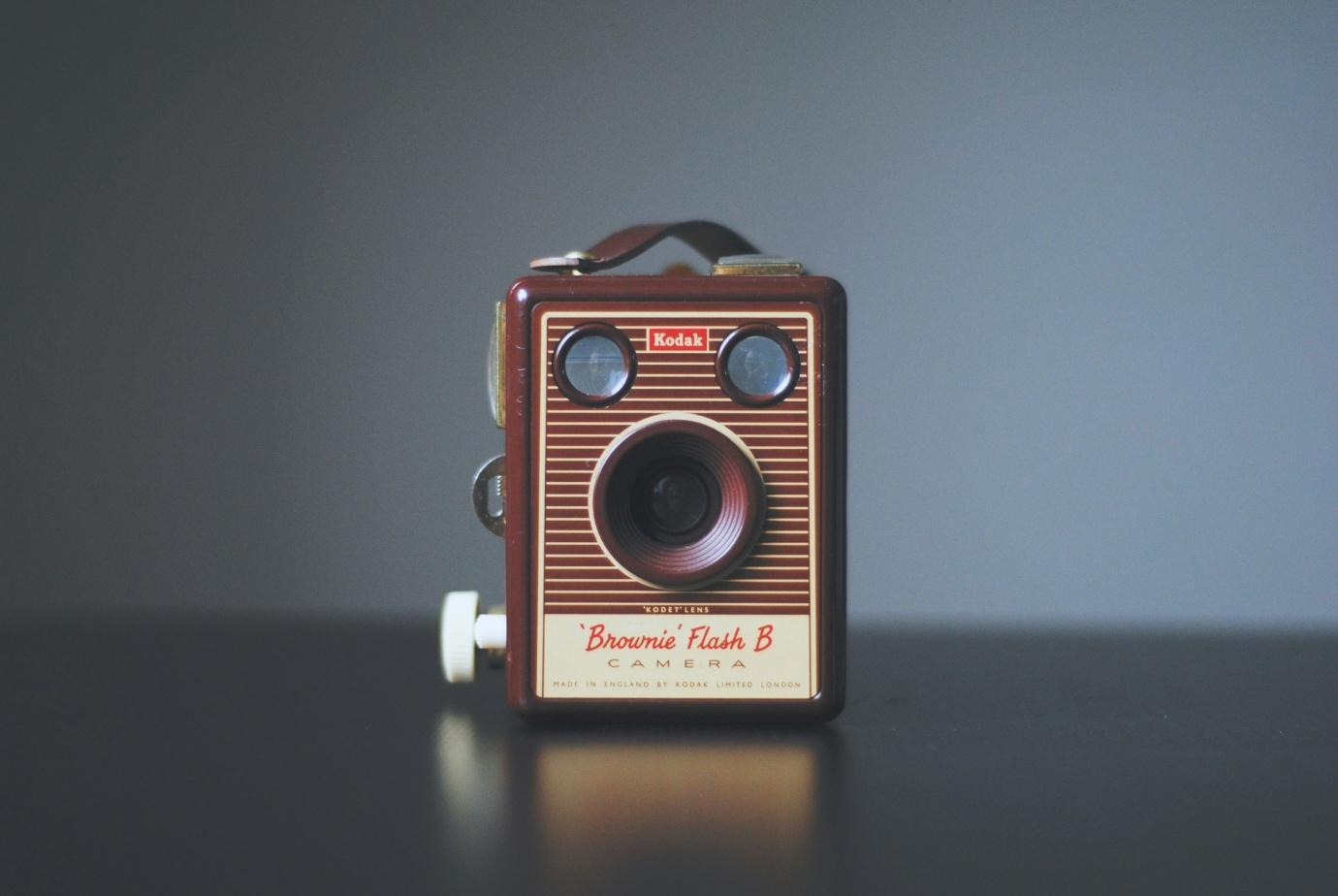
One should get acquainted with the story of photography.
Focus, Wind, Repeat: A Century Seen Through the Camera
Vintage cameras deserve our time and attention. There’s no burst mode for us to lean on, no autofocus or phone-style features to rely on. The lens asks you to decide. The light meter challenges your assumptions. You have to slow down or your mistakes will be etched in permanence.
There is labor in analog photography. Film must be loaded with precision. Focus must be set with patience. Exposure is chosen (rather than suggested). These are rituals, and rituals change the maker.
Once you find yourself a camera that can’t be tricked into doing your thinking for you, photography will become an act that resists carelessness. In the process of winding, setting, and waiting, the photographer learns something that will stay even when switching back to digital: intention, that slippery concept, becomes a muscle.
A Century Seen Through the Camera
Remove photography from the last hundred years, and modern memory collapses. Everything we call contemporary – design, fashion, conflict, celebrity, even love – has been filtered, somewhere, through a lens. Photography is structural. It orders experience.
From government IDs to gallery exhibitions, from global reporting to family albums, the camera is the device through which truth, fiction, aspiration, and proof all pass. Even event management, a field one might imagine separate from image-making, is deeply reliant on photography. For circulation, for the building of myth and moment.
To photograph is to anchor what’s seen in a context that others will absorb and interpret, sometimes years later, often without knowing the name of the photographer, or the camera model used, or even the reason behind the photo.

Life in the 20th century is difficult to picture without seeing it through the lens of a camera.
Grain as Language
Where digital clarity insists on perfection, film grain reminds us that noise can be pretty beautiful if given half a chance. Not incidental, not unwanted, but expressive. The particular texture of expired film stock, the unpredictability of manual exposure, the occasional intrusion of light leaks – all of these represent evidence, not just of a photo taken, but of a process endured.
Modern photographers often mimic these effects in post-production. But using a vintage camera produces them organically, not artificially, and that origin matters. It changes the relationship between artist and artifact. In this, we begin to understand that aesthetics is not about which filter you’ll use, but a result of action, decision, compromise, and time.
Style shouldn’t be something you add. It should be something that forms as you work. And vintage cameras remind us of that.
Framing the Invisible
A camera built decades ago can’t, of course, see better than one made today. But it sees things differently. The limits of the viewfinder, the slowness of the lens, the absence of automation – all these things direct attention in ways modern tools sometimes fail to.
It’s harder to photograph quickly with analog film and gear. Which means you have to choose. And that choosing becomes a kind of seeing. The frame narrows, but the awareness expands. Photographers report this again and again: shooting film changes what they notice.
This is part of what vintage cameras teach us about modern photography – they don’t capture more, but they prompt us to see more, because they ask us to decide what matters before we press the shutter. The tool imposes a kind of mindfulness not easily faked.
Maintenance and Memory
Digital photography minimizes decay. Files don’t smudge, batteries recharge, and memory cards don’t expire as film rolls do. Vintage cameras are objects that need some upkeep – light seals crack, shutters stick, and meters drift.
To use these cameras regularly, one must accept their needs. Clean the lens. Store the film properly. Wind with care. Besides capturing memory, the machine becomes a part of it. Each mark, each scratch, every soft corner in the image reminds the photographer that the tool, too, has a life. Cameras with a past require photographers with patience.
Old cameras will teach you stewardship. They’ll teach you responsibility for the tools that shape our view of the world. That lesson transfers. Once you’ve learned it, it will affect how you handle your phones, your DSLRs, your editing software, and even your time.
Endnotes in Metal and Glass
What vintage cameras teach us about modern photography isn’t nostalgia, and it isn’t rebellion. Moreover, it’s that discipline can be beautiful, that slowness can be skill, and that memory deserves to be made with intention.
Remember: film is far from being dead. The tools might’ve aged, but the lessons remain sharp.