One of the most powerful tools in a photographer’s creative arsenal is the slow shutter speed. Done right, it turns ordinary scenes into something magical. A slow shutter speed can transform rushing rivers or beach waves into serene, silky smooth water, headlights into glowing trails, and night skies into streaks of starlight. In this article, we’ll give you essential tips for slow shutter speed photos to help you master this fun and eye catching technique.
What Are Slow Shutter Speed Photos?

In practical terms, a “slow” shutter speed, also known as a long exposure or shutter drag, usually means anything below 1/60 of a second, though the exact point depends on your subject and lens. Faster moving objects in the scene will blur at higher shuter speeds, while slower moving objects in the scene will blur at lower shutter speeds.
For a wide focal lengths, such as 24mm and below, you might be able to handhold 1/30 sec without blur, but for a long telephoto lens, “slow” might start much higher, like 1/100 sec or faster.
When to Use Slow Shutter Speeds
Slowing your shutter down isn’t just about letting in more light—it’s about shaping the way motion appears in your frame. In other words, there’s a technical purpose for a slow shutter speed AND also a creative purpose. Slow shutter techniques are used both for artistic expression and for practical shooting situations, often overlapping the two.
Creative Effects
These are situations where the slower shutter isn’t just functional—it’s a creative element in the photo. Here, the motion blur becomes a design element, adding atmosphere, drama, or artistry to the scene.
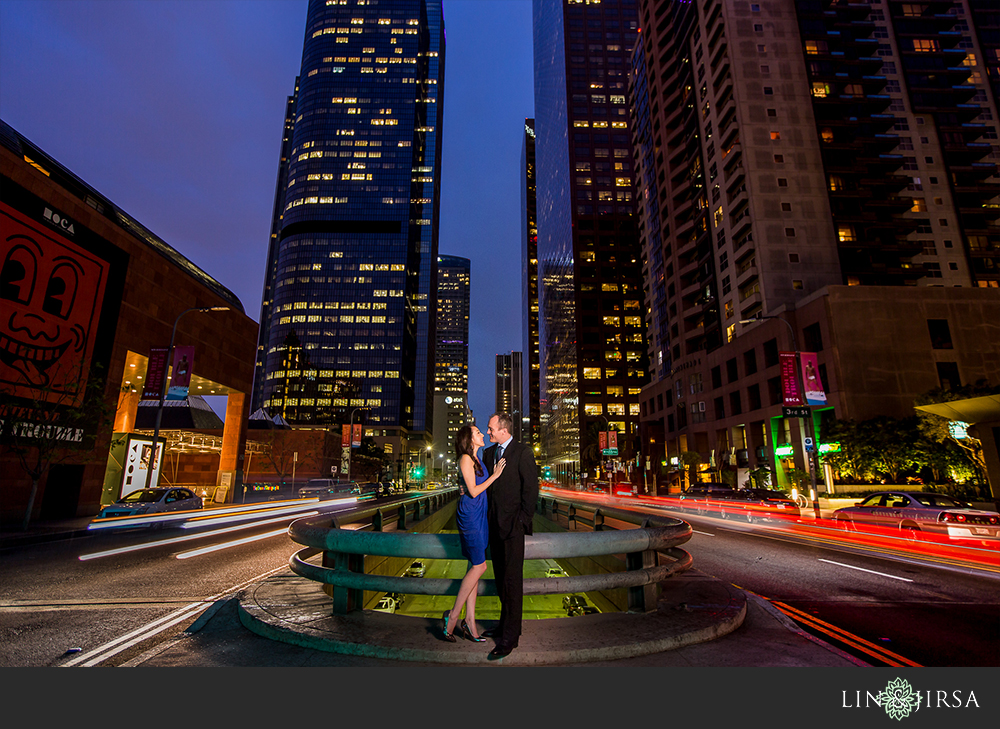
Light Trails – Using a slow shutter to capture car headlights and taillights turns a static road into a ribbon of motion.
Water Motion – Slow shutters can transform choppy waves into glassy surfaces or fast-moving waterfalls into silky streams.

Panning – By moving your camera along with a moving subject (like a runner, cyclist, or car), you can keep the subject sharp while blurring the background in streaks of color and light.

Intentional Camera Movement (ICM) – Unlike panning, ICM concepts, like the camera twist, is about deliberately moving your camera during the exposure to create artistic streaks and patterns.

Technical Needs
Not every slow shutter photo is about artistic blur—sometimes it’s simply the best technical choice to achieve a clean, well-exposed image. These are situations where slowing the shutter allows you to balance light, maintain quality, or reveal details the eye can’t see in real time.
Low Light Without Flash – In dim environments like indoor events or twilight landscapes, slowing the shutter lets in more light without forcing you to raise ISO too high.
Night Photography – City skylines, quiet streets, and illuminated architecture all benefit from slower shutter speeds. They allow you to keep your ISO low for clean files while capturing subtle ambient light, reflections, and color detail that would be lost in a quick exposure.

Astrophotography – Shooting the night sky requires much longer exposures, sometimes from a few seconds for Milky Way shots to several minutes for star trails.

Slow Shutter Speed Video Tutorial
Slow Shutter Speed EQUIPMENT
Of course the main element of sharpness is a tripod. That is going to sound like a no-brainer for any landscape or nature photographers, and to be honest this video is probably going to make you laugh. However believe it or not, but many portrait and wedding photographers might not even own a tripod, let alone use it regularly! And it is not as simple as simply “using a tripod”. (Which is why this video has some tips for you!)
Don’t get me wrong. In my opinion always shooting without is fine, but it does limit your ability to think creatively. You’re locked into “hand-holdable” shutter speeds, …or intentional motion blur and/or strobe flash use. If this is you, then you should read our article about how to hand-hold a camera!
Indeed, often I find myself in situations where motion blur is desirable, but subject blur is not. There are many different techniques and tips on how to accomplish this, of course, and this video only covers some of them.
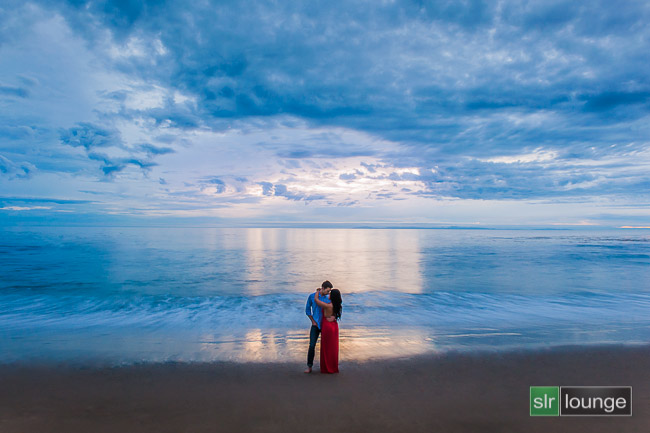
(3 second exposure)

(1/2 second exposure)

(1/2 second exposure, 100% crop)
There’s no single “right” slow shutter speed—it depends entirely on the story you want to tell. Start with something manageable, like 1–2 seconds, and work your way toward longer exposures as you refine your technique.
The beauty of slow shutter photography is in its unpredictability. Every adjustment—whether it’s changing your focal length, adding an ND filter, or experimenting with movement—can lead to a completely new result. So grab your tripod, slow things down, and see what unfolds.