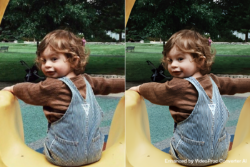
In the realms of photography, painting, and other visual arts, the term foreground holds a significant place. Derived from the noun form, the foreground refers to the part of a scene or image that is closest to the viewer or camera. This concept is fundamental in creating compelling compositions that engage the viewer and add depth to the image.
When you look at a photograph or painting, the foreground is the portion of the frame nearest to the camera or observer. It is often the most prominent part of the scene, drawing immediate attention and serving as a gateway into the rest of the image. Unlike the background, which recedes into the distance, the foreground appears larger and more detailed, helping to establish a sense of space, perspective, and depth. By skillfully working with foreground elements, artists and photographers can create a more immersive experience, guiding the viewer’s eye through the layers of the composition.
How to Create Unique Compositions with Foreground Elements
Foreground elements are powerful tools in photography and painting that can transform a simple image into a captivating story. By incorporating foreground objects thoughtfully, you can achieve several effects that enhance the overall composition.
Add Depth

One of the primary functions of the foreground is to add depth to a scene. Just as the background provides perspective relative to the subject, the foreground extends this dimensionality by bringing objects closer to the viewer. This layering effect creates an illusion of three-dimensional space in a two-dimensional image, making the scene feel more lifelike and engaging.
Give Storytelling Context

Foreground elements can also enrich the narrative of an image. By including objects or figures in the foreground, photographers and painters can provide context that supports the story they want to tell. For example, in a landscape photo depicting only farmhouses scattered across surrounding flatlands, the foreground might show denuded earth or bobbing pumpjacks near storage tanks, hinting at the legacy of oil discovered in the area a century ago. These elements add layers of meaning and invite the viewer to explore the history and environment depicted.
Conceal Unappealing Elements
Sometimes, the foreground can serve a practical purpose by concealing parts of the scene that are less attractive or distracting. By positioning foreground objects strategically, you can blend or cover unwanted elements, improving the overall aesthetic of the final photograph or painting.
Frame Your Subject
Foreground objects can create natural frames around the main subject, focusing the viewer’s attention and enhancing compositional balance. This framing technique uses elements like branches, windows, or architectural details to lead the eye toward the focal point, making the image more dynamic and visually interesting.
Create Illusion and Focus
Foreground images are instrumental in guiding the viewer’s focus. Through the use of different techniques such as selective focus, blurring, or blending multiple layers, artists can emphasize the foreground to create an impactful illusion of depth and prominence, making the subject stand out.
Steps and Techniques to Work with Foreground Elements
Find Foreground
The first step in creating a compelling composition is to find a strong foreground element. This is the part of the image that will engage the viewer immediately and set the tone for the entire scene. Look for textures, shapes, or objects that complement your subject without overwhelming it. Whether it’s rocks, flowers, or architectural features, choosing the right foreground subjects helps establish space and invites the viewer to explore the photograph or painting more deeply.
Glasses, Candles, Crystal, Etc.
Using objects like glasses, candles, or crystals in the foreground can add unique textures and visual interest. These items often interact with light in captivating ways, reflecting or refracting it to create beautiful effects. For example, soft candlelight can introduce warmth and intimacy, while sparkling crystals might add a magical or elegant atmosphere. Experimenting with the placement and lighting of these translucent or reflective elements can enhance the mood and complexity of your image.
Shoot from the Shadows: Frame and Compose
Positioning yourself or your camera in shaded areas to shoot can introduce intriguing layers to your foreground. Shadows can act as natural frames, adding contrast and depth while concealing less appealing parts of the scene. This technique works especially well in outdoor photography, where changing natural light throughout the day can create dynamic and compelling compositions. Using shadows creatively guides the viewer’s eye and enriches the storytelling aspect of your work.
Use Long Lenses (85mm/70-200mm)
Long lenses, such as an 85mm prime or a 70-200mm zoom, are effective for emphasizing foreground elements by compressing the scene. This compression brings the foreground and background visually closer, enhancing the sense of depth and making foreground objects more prominent. These lenses also help isolate subjects by narrowing the field of view, drawing the viewer’s attention directly to the foreground.
In landscape photography, long lenses capture detailed textures like flowers or rocks in the foreground while maintaining the distant scenery as a complementary backdrop. In portrait photography, they flatter the subject by separating them from distracting backgrounds, using wide apertures to create pleasing bokeh effects.
Expose for Desired Ambiance
Proper exposure is crucial when working with foreground elements. Adjusting settings such as shutter speed, aperture, and ISO allows you to control how the foreground interacts with the rest of the scene. For instance, underexposing the foreground can create a dramatic, moody effect, while overexposing it can impart a light, airy feel. Tools like histograms and highlight alerts help ensure that important foreground details remain visible without losing contrast or brightness.
Sometimes, photographers use bracketing and post-processing techniques like blending to capture a broader dynamic range, preserving detail in both foreground and background. Thoughtful exposure enhances the depth and emotional impact of your image.
Wide Apertures for Bokeh
Using wide apertures (low f-numbers) is a popular technique to create beautiful bokeh in the foreground. Bokeh refers to the aesthetic quality of the blur in out-of-focus areas, which helps isolate the foreground subject by softening the background. This shallow depth of field draws attention to the foreground elements, adding a dreamy, artistic quality to the composition.
This technique works well in portraits and macro photography, where the foreground subject is close to the camera. Experimenting with aperture settings and lighting can enhance the texture and color of foreground objects, making your photos more visually striking.
If Needed, Light the Foreground
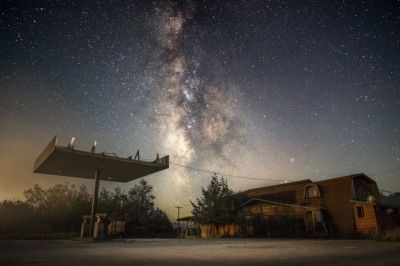
Lighting the foreground properly can significantly improve your photographs, especially in low-light or night settings. Using natural light, reflectors, flash, or continuous lighting helps reveal textures, colors, and details that might otherwise be lost. Balancing the light between foreground and background ensures a cohesive and natural look.
Consider the direction, intensity, and color temperature of your light source. Soft, diffused lighting can gently illuminate textures without harsh shadows, while focused beams can highlight specific foreground elements to draw attention. Thoughtful lighting can also conceal distracting parts of the scene, enhancing the overall composition.
Conclusion
Mastering the use of foreground elements in photography and painting is essential for creating images with depth, focus, and storytelling power. By understanding the role of the foreground as the closest part of a scene and employing various techniques—from finding compelling subjects to controlling exposure and lighting—you can elevate your work and engage viewers more effectively. Whether working with natural landscapes, urban environments, or still life, foreground elements offer endless possibilities to enrich your compositions and bring your creative vision to life.
Related Articles to Foreground Definition

Cherry Blossom Photoshoot Tips | Capturing the Beauty of Spring

Bridge Photography Tips and Inspiration

Foreground, Middle Ground, and Background in Photography

Athletic Portraits Using High Speed Sync | Slice of Pye
Improve Your Night Photography With Foreground Lighting