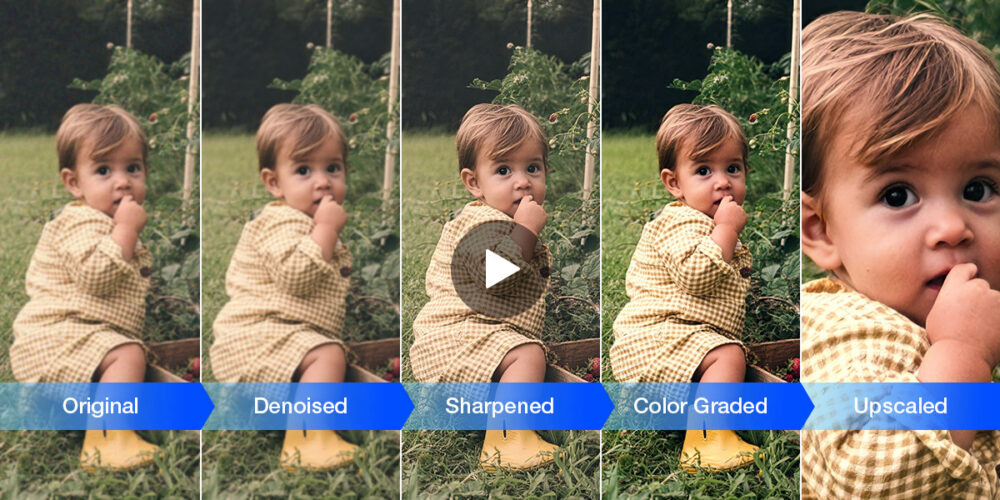
Artificial intelligence has become a regular part of the photography workflow, but trust in the companies behind these tools remains an open question. Across the industry, photographers continue to raise concerns about how their images are used, where training data comes from, and whether AI will ultimately compete with the professionals it’s designed to support. While many companies address these concerns in broad terms, fewer show what trust actually looks like in practice.
Aftershoot’s recently launched Campaign takes a different approach. Instead of focusing only on product capabilities, the campaign highlights how its tools are developed alongside photographers and what that collaboration produces in real-world workflows.
At a time when many photographers feel uncertain about AI, the campaign positions trust as something that must be demonstrated, not assumed.
3 Core Campaign Pillars
At the center of the Campaign are three core pillars that define how Aftershoot approaches AI development in photography:
- Product Boundaries & Replacement Fears: This pillar focuses on reinforcing that AI is designed to enhance a photographer’s work, not replace it.
- Data Usage, Consent & Transparency: Here, Aftershoot addresses how images and data are handled, with clear policies around training, opt-outs, and deletion.
- Community & Co-creation: This pillar ensures that photographers play an active role in shaping the product through feedback, collaboration, and direct involvement in the development process.
Together, these pillars provide a framework for how the company aims to build trust with photographers moving forward.
From Input to Impact
One of the clearest ways to evaluate that trust is through the experiences of working photographers who are actively involved in shaping the product.
Matt Hoffart, a wedding and headshot photographer, points to the tangible impact that collaboration has had on his business: “Aftershoot truly builds with photographers, not just for them. From the beginning, the teams have listened to my feedback and turned it into real improvements. As the photography app evolved from culling to editing and now retouching, it has helped cut my studio’s post-production workload and outsourcing costs by nearly 80%, giving me unimaginable space for business and personal growth.”
Rather than simply introducing new features, the development process is structured around feedback loops where photographers influence how tools evolve over time. This positions photographers as active contributors rather than passive users.
Defining AI’s Role in the Workflow
At the same time, the campaign addresses a broader concern within the industry, which is the role AI should play in photography moving forward. In the video above, Aftershoot illustrates how photographers are the driving force behind not only great photographs, but also the experience itself and the moments clients value most. That is not AI’s role.
As noted in the campaign, Aftershoot’s position is grounded in clear product boundaries. What this means is that Aftershoot’s AI is designed to handle repetitive, time-intensive tasks such as culling, editing, and retouching, but not to replace the creative decision-making that defines a photographer’s work. The idea here is to reinforce creative ownership. For photographers, that distinction is critical. It shifts AI from something that threatens the craft to something that supports it.
Esteban Gill, a fashion and wedding photographer, highlights how that philosophy translates into long-term trust: “As a professional photographer and educator, I am always incredibly impressed at not only the product that Aftershoot has created but, their commitment and transparency for our industry is something that keeps me committed to using them over anyone else.”
Making Transparency Actionable
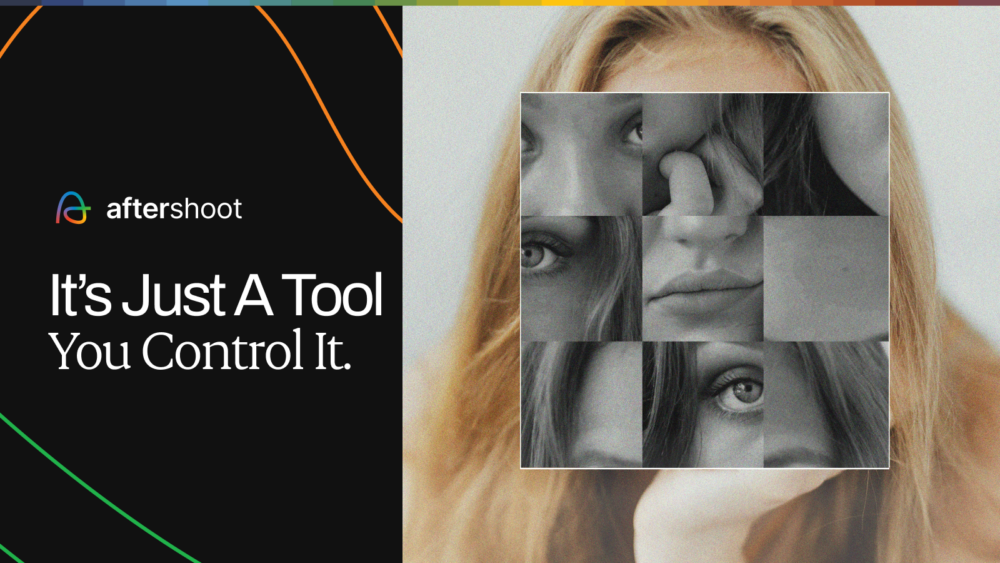
Beyond workflow improvements, the campaign also focuses on one of the most sensitive areas in AI adoption: data usage.
Photographers want to know how their images are handled. This includes whether they are being used in training models, and what control they (the photographers) retain over their work. In response, Aftershoot has introduced a centralized transparency hub outlining its policies and practices. Through resources like this Transparency Page, photographers can review how training data is sourced, what consent mechanisms are in place, and how to manage or remove their data.
What Inclusion Feels Like in Practice
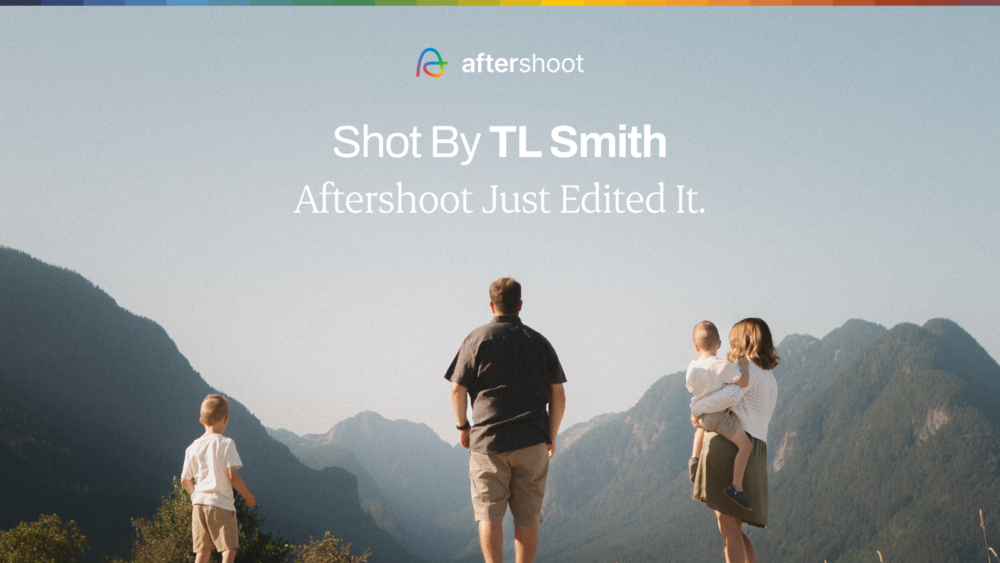
Of course, trust is not built through documentation alone. It comes from consistent interaction and a sense that our input is valued.
Maddy Jenkins, a wedding and portrait photographer, describes her experience of working alongside Aftershoot: “I’ve always felt genuinely included by the team at Aftershoot. They regularly ask for my feedback and take the time to thoughtfully respond, which makes it clear that my perspective is valued and considered. What stands out most is how supportive and community-focused they are. Through initiatives like the Aftershoot Create Together Fund, they give back in meaningful ways and support photographers beyond just the software. Overall, being part of the Aftershoot community makes me feel like my voice matters and that I’m part of something collaborative, not just a user.”
This sense of inclusion is central to the campaign’s direction. It reframes the relationship between photographers and AI tools as a collaborative one, where the technology evolves with the needs of the people using it.
A Shift in How AI Is Evaluated
As AI continues to develop, photographers are no longer evaluating tools based on efficiency alone. The focus is expanding to include how those tools are built, how transparent the companies are, and whether photographers have a voice in the process. This Campaign reflects that shift.
As the industry continues to navigate the role of AI, one thing is becoming increasingly clear. Trust is no longer a secondary consideration. It is becoming a defining factor in how photographers choose the tools they rely on, and whom they choose to build with.