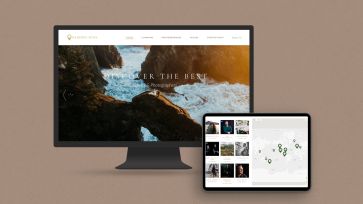
Creating a stunning photography portfolio is no longer enough to attract clients to your website. Search Engine Optimization (SEO) is essential to help your website rank higher on search engines, and one of the most effective ways to improve your SEO is through link building. Link building involves acquiring links from other websites that point to your website, and it plays a significant role in boosting your website’s authority and visibility.
In 2026, link building has evolved significantly. Google’s algorithms now prioritize quality over quantity, with sophisticated AI systems detecting manipulative tactics and rewarding genuine, relationship-driven link acquisition. The focus has shifted from accumulating as many backlinks as possible to earning authoritative, relevant links that demonstrate your expertise and trustworthiness.
In this article, we will explore the various strategies of link building for photographers to improve your website’s search engine ranking.
Here’s what we’ll be covering in this article:
- Understanding Link Building in 2026
- Vendor Networking for Links
- Guest Writing for Links
- Features for Links
- Directories for Links
- Local SEO and Community Links
- Clients and Charities for Links
- Reviews and Product Features for Links
- Creating Link-Worthy Content
- Bad Practices to Avoid
- Link Building Tools and Analysis
- Strategic Link Building Tips
For more information on SEO and Web Marketing, we invite you to explore our Complete Business Training System inside of SLR Lounge Premium. We also have a free resource called the “Essential Photographer’s SEO and Website Checklist” that you can download for free.
Understanding Link Building in 2026
Before diving into specific strategies, it’s important to understand how link building has changed. Google’s December 2025 Core Update and ongoing algorithm improvements have made several things clear:
Quality trumps quantity. One high-quality backlink from an authoritative, relevant website is worth more than dozens of low-quality links. Google’s AI systems can now distinguish between links that exist because someone genuinely found your content valuable and links that exist because of manipulation or payment.
E-E-A-T matters more than ever. Google evaluates Experience, Expertise, Authoritativeness, and Trustworthiness when determining rankings. Links from reputable sources in your industry serve as third-party endorsements of your expertise. For photographers, this means links from photography publications, wedding blogs, and local business directories carry significant weight.
Relevance is critical. A backlink from a wedding blog is far more valuable for a wedding photographer than a link from an unrelated technology site. Google’s algorithms assess topical relevance when evaluating link quality.
Natural patterns matter. Google’s SpamBrain AI can detect unnatural link building patterns. Building links at a consistent, sustainable pace over time produces better results than sudden bursts of activity.
SEO Link Building for Photographers with Vendor Networking

A great way to drive links to your site is to simply network. As a photographer, this is actually very easy because after every shoot you have something valuable to offer: the images from the shoot.
Create an email that outlines your rules for image usage and send it out, along with a few select images, to everyone involved in the shoot. Require that they link back to your site in order to use the images and there you go! You now have targeted, local, related, and most importantly, legitimate links coming into your site.
Advanced Tip: While you’re shooting, snap a couple extra pictures of the vendors involved. Capturing an in-action shot of the makeup artist or DJ can benefit you in many ways. First, they’ll really appreciate the images and potentially send you referrals. Second, they may use your images on their site, which you would allow ONLY if it comes with a link to your site.
Pro Tip for 2026: Create a “Preferred Vendors” page on your website featuring the vendors you work with regularly. Include links to their websites, high-quality images from your collaborations, and brief descriptions. This provides value to your visitors and creates natural opportunities for reciprocal links. Many vendors will return the favor by featuring you on their own preferred vendor lists.
Action Steps & Recap
- Create an email template for your vendors with the policies of your image use.
- Add the important step to your workflow of emailing all vendors involved in the shoot with the information and images.
- Create a “Preferred Vendors” page on your website featuring your regular collaborators.
- Follow up in winter months when vendors are updating their websites and are more likely to add new content.
Guest Writing to Build Links

Guest blogging remains a valuable link building strategy in 2026, though it requires a more thoughtful approach than in previous years. Google’s algorithms now distinguish between genuine guest posts that provide unique value and mass-produced content created solely for links.
The key is to focus on quality over quantity. A single well-researched, genuinely helpful article on an authoritative photography website will provide more SEO value than dozens of mediocre posts on low-quality sites. Focus on sharing original insights, proprietary data, or unique expertise that readers cannot find elsewhere.
There are many popular photography websites that accept submissions. These are blogs directly related to your profession, which means each link is valuable for your website. Additionally, their large reach makes their content commonly referenced and shared, so excerpts from your article may end up on more web pages than just one, with more links pointing to your website.
More than Just Links
Besides gaining a valuable link or two, guest blogging can boost your standing and reputation in the industry. Photography is a unique industry where students can quickly become teachers. Teach others how you got a particular shot. Tell the community how you cut time from your post-production workflow. Give tips on your specific type of photography. Review your latest gear purchase.
Don’t feel like you must have years and years of experience to start teaching others. Share what you do know and what you are learning. In 2026, first-hand experience and authentic insights are exactly what Google’s algorithms reward through E-E-A-T signals.
List of Photography Websites that Accept Guest Submissions
Though many of these sites may not have official guest submission procedures, if you have a good enough article idea, you can likely get accepted onto any of these sites. It doesn’t hurt to get in touch and try!
- https://fstoppers.com/
- https://www.diyphotography.net/
- https://digital-photography-school.com/
- https://petapixel.com/
- https://www.picturecorrect.com/
- https://www.lightstalking.com/
- https://www.thephotoargus.com/
Think Beyond Photography
Think specifically about your industry and consider guest writing for indirectly related websites. If you’re a real estate photographer, connect with real estate blogs or agents who have a good web presence. If you’re a fashion photographer, online fashion magazines might publish your opinions in an editorial piece.
Think locally as well. Maybe the local paper, university, or charitable organization has opportunities for guest blogging. Local links are especially valuable for photographers since most of your clients come from your geographic area.
2026 Tip: Pitch yourself as a guest on photography podcasts. Many podcast hosts include links to guests’ websites in their show notes, providing valuable backlinks while also building your authority and reaching new audiences.
Action Steps:
- Contact 3-5 blogs to inquire about submitting a guest post
- Set a guest posting schedule (monthly or quarterly)
- Focus on creating genuinely valuable, original content
- Consider podcast appearances as an additional avenue
- Continue adding to your list of blogs and submitting guest posts
Get Featured to Build Links
Getting featured is similar to guest blogging except instead of sharing your thoughts and experiences, you share your work. Think about popular online publications in your niche and see if they accept submissions to get featured.
For example, in the wedding industry, websites like Green Wedding Shoes, Ruffled Blog, and Rock n Roll Bride are powerhouses in terms of traffic, popularity, and SEO importance. Links from these websites can help you climb the ladder of rankings for wedding photography.
While the wedding niche has the most websites that accept submissions, continue to search for websites that are most applicable to your photography niche. Start with a Google search for “[INSERT YOUR INDUSTRY] Blog.” The search results should give you a good starting place.
Styled Shoots Strategy: Partner with other vendors (florists, venues, dress designers) for styled shoots. When these shoots get published on blogs or in magazines, you’ll often receive backlinks. This approach builds relationships while earning high-quality links from authoritative sources.
Action Steps:
- Make a list of target sites in your niche
- Obtain their submission rules and guidelines
- Set a schedule to submit your best work
- Consider collaborating on styled shoots for more submission opportunities
Register for Directories to Build Links

Directory listings remain valuable in 2026, but selectivity is essential. Google’s algorithms can distinguish between legitimate directories that provide value to users and low-quality link farms. Focus on directories that are either niche-specific to photography or important for local SEO.
Listing in directories with a consistent name, address, and phone number (NAP) can significantly help your local SEO. Google cross-references these citations to verify your business’s legitimacy, and inconsistent data can hurt your rankings.
Ask yourself these questions when evaluating directories:
- Does this directory relate to photography? If so, consider it.
- Does this directory have recurring fees? If so, you most likely should NOT list. Reasonable one-time fees are okay, but remember that one of the major goals for SEO is to invest time and effort so you do not have to rely on paid services. There are exceptions, but this is a general rule.
- Will this listing be of value beyond SEO? If so, consider listing. Google is always finding new ways to cut off benefits from unnatural links. If you see value in the listing, there’s a good chance Google sees value in it as well.
- What is the directory’s domain authority? Use tools like Ahrefs or Moz to check. Higher domain authority directories provide more valuable backlinks.
Recommended Directories for Photographers
Wedding-Specific Directories:
- The Knot
- WeddingWire
- Zola
- Wedding Maps (SLR Lounge’s directory that helps build backlinks and features)
General Business Directories:
- Google Business Profile (essential for local SEO)
- Yelp
- Facebook Business Page
- Your local Chamber of Commerce
- Better Business Bureau (note: links are typically nofollow)
Photography-Specific Directories:
- Professional Photographers of America (PPA)
- WPPI (Wedding & Portrait Photographers International)
- Local photography associations
2026 Best Practice: Focus your efforts on the top 20% of directories that drive 80% of your results. Track which directories actually send you traffic and inquiries, then optimize those profiles with complete information, high-quality images, and client reviews.
Local SEO and Community Links
For photographers, local SEO is often more important than general SEO because most clients come from your geographic area. Building local backlinks strengthens your visibility in local search results.
Strategies for Local Link Building:
Tourism Boards and Local Government Sites: Partner with your local tourism board or visitor’s bureau. Offer to provide images for their “Visit [City]” campaigns in exchange for photo credits with links. These sites often have high domain authority and relevance.
Local Business Collaborations: Create a curated “Ultimate [City] Wedding Vendor Guide” featuring local vendors. When you notify featured vendors about the guide, many will naturally share it on their websites and social media, creating backlink opportunities.
Community Events: Photograph local charity events, school functions, or community gatherings. These organizations often have websites and will credit (and link to) the photographer who provided images.
Local News and Media: Reach out to local newspapers and news websites. Offer to be a source for articles about photography, wedding trends, or local events. Media coverage often includes links to sources.
Educational Institutions: If you’re an alumnus, check if your university has an alumni business directory. Offer to photograph campus events or provide images for marketing materials.
Action Steps:
- Identify local organizations, tourism boards, and media outlets in your area
- Create valuable local content like vendor guides or location guides
- Build relationships with local businesses and organizations
- Ensure your NAP (name, address, phone) is consistent across all local listings
Ask for Backlinks from Clients and Charities
Link building for photographers often involves actual networking and business building. Everyone needs photography, from charities to local businesses to academic institutions.
Consider photographing events for local charities that need your services to spread awareness for their cause. Of course, you should not do this solely for backlinks, but if you’re already helping out, it makes sense to tactfully ask for a favor in return.
The same approach works for local businesses. If you’re already hired by a local restaurant, gym, real estate agency, insurance agency, or any other local business, why not tactfully ask them to give you link credit for your images on their site? For some clients, you may even build in a discount for your services as an incentive. With others, you might have a strong enough relationship to simply ask.
Finding Unlinked Image Usage: Use Google Image Search to find where your photos appear online without credit. Upload a representative image from your portfolio and search for it. If you find your work on another website without a link, send a polite email asking if they could add a credit linking back to your site. This is a legitimate request, and many site owners are happy to comply.
Action Steps:
- Brainstorm opportunities for link building among organizations you already support
- Ask current clients with websites for backlinks
- Consider building small discounts into your services as incentives for backlinks
- Periodically search for your images online to find unlinked usage
Reviewing or Featuring Products for Backlinks
There are hundreds of product, service, and software companies in photography. Think about your own gear bag and workflow and you’ll realize how many different companies you have supported over the years by buying their products. These might include:
- Major camera, lens, and lighting makers
- Tripod and camera support manufacturers
- Radio trigger and lighting modifier companies
- Camera bag and equipment protection companies
- Post-production and editing software
- Album design and client management software
- Print labs and album companies
The point is that you’re using these products on a daily basis, and sometimes all it takes is a picture of you using the product or a testimonial to get you featured on their website.
2026 Strategy: Create detailed, original reviews with real-world examples from your work. Share actual test results, comparisons, and honest assessments. This type of content demonstrates the “Experience” component of E-E-A-T and is more likely to earn links from both manufacturers and other photographers seeking authentic reviews.
Action Steps:
- Make a list of all your gear and software
- Study company websites and blogs to see if they feature user reviews or testimonials
- Create your content: take a picture or record a video of the product in use and/or write up your review
- Find the best contact person (usually their marketing manager)
- Email the contact and remember to follow up if you do not receive a response
- If you’re still not receiving a response, reach out via social media with tags and mentions
Creating Link-Worthy Content
In 2026, one of the most effective ways to earn backlinks is by creating content that others naturally want to reference and share. This approach, sometimes called “link bait,” focuses on producing genuinely valuable resources that attract links organically.
Types of Link-Worthy Content for Photographers:
Original Research and Data: Conduct surveys about photography trends, client preferences, or industry practices. Original data is highly linkable because no one else has it.
Comprehensive Guides: Create definitive resources on specific topics, such as “The Complete Guide to [City] Wedding Venues” or “How to Prepare for Your Engagement Session.” Thorough, well-organized guides become reference materials that others link to.
Free Tools and Resources: Develop downloadable resources like planning checklists, timeline templates, or shot lists. These practical tools get shared and linked frequently.
Visual Content: Infographics explaining photography concepts, comparison charts for gear decisions, or behind-the-scenes process videos all attract links and shares.
Location Guides: Create detailed guides to local venues, photo locations, or hidden gems in your area. Local businesses and tourism sites often link to these resources.
Educational Tutorials: In-depth tutorials showing your techniques, editing processes, or creative approaches demonstrate expertise and earn links from photography education sites.
Action Steps:
- Identify topics where you have unique expertise or data
- Create comprehensive, well-researched content
- Promote your content to relevant sites and influencers
- Update and maintain your best-performing content regularly
Bad Practices When Link Building for Photographers
When SEO link building for photographers, do not try to take shortcuts. Link building is not easy. It takes time, dedication, and a unique strategy. As with anything difficult, there are always those who try to take shortcuts. Here is a list of shortcuts to avoid:
Do Not Buy Links
As tempting as it is to go onto sites like Fiverr and buy hundreds of links for the price of lunch, don’t do it! This is one of the quickest ways to hurt your SEO and waste money in the process. Google’s SpamBrain AI is sophisticated enough to detect purchased links, and the consequences can be severe, including significant ranking drops or manual penalties.
Avoid Private Blog Networks (PBNs)
Private Blog Networks were once a popular shortcut, but Google has become extremely good at identifying them. PBNs can result in severe penalties that are difficult to recover from. The risk far outweighs any potential short-term benefit.
Do Not Participate in Link Schemes
Link exchanges, link wheels, and other artificial link-building schemes are easily detected by Google’s algorithms. Focus on earning links through genuine value rather than manipulation.
Do Not Build Links at Unnatural Rates
Google spiders are crawling the web nonstop. If one week you have hundreds of new links pointing to your site and the next week you have no new links, your link building strategy might work against you because it seems unnatural. Remember, Google wants everything, including link building, to happen naturally, so your strategies should be consistent and sustainable.
Avoid Mass-Produced AI Content
Creating large volumes of AI-generated content to attract links will backfire. Google’s 2025 and 2026 algorithm updates specifically target AI content that lacks human expertise, original insight, and genuine value. Focus on quality over quantity.
Do Not Rely on Comment Links
Commenting is not an effective way to build backlinks. Most websites have the “nofollow” attribute for outbound links. The very few that don’t are usually flooded with spam. Time spent on comment spam is time wasted and potentially damaging to your reputation.
Link Building Tools and Analysis
Understanding your backlink profile and analyzing competitors’ strategies can inform your own link building efforts. Several tools are available to help:
Recommended Tools:
Ahrefs: Widely considered the industry standard for backlink analysis. According to surveys, over 68% of SEO professionals agree it provides the most comprehensive backlink data. Use it to analyze your own backlinks, research competitors, and find link opportunities.
Semrush: Excellent for competitor analysis, showing what keywords your rivals rank for and allowing detailed URL-level analysis.
Google Search Console: Free tool that provides basic backlink data and alerts you to any manual actions against your site.
Moz: Offers domain authority metrics and link analysis, useful for evaluating potential link sources.
Competitive Analysis
Backlinks are like SEO footprints. By analyzing a competing website’s backlinks, you can track where they’ve been and what they’re doing to improve their search rankings. Type in a few URLs that rank well in your area for your target keywords and see what you find.
Analyzing these reports will give you new ideas and strategies:
- Websites to submit to: Discover where competitors are getting featured
- Directories to register with: Find legitimate, valuable directories in your niche
- Sites to guest write for: Identify popular sites accepting contributions
- Partnerships to make: Gain insight into successful collaborations
Important Note: Just because a competitor ranks well doesn’t mean all their links are quality links. They might be using tactics that will eventually hurt them. Use the knowledge in this guide to evaluate each link opportunity carefully.
Strategic Link Building Tips
Let’s finish with strategic tips to maximize your link building efforts:
Avoid Relying Entirely on the “Trickle Down” Approach
What many website owners do is simply focus on driving links to the home page. This is what we call the “trickle down” approach. While it is important to drive the majority of your external links to your main page, this approach has limitations. If the keywords you’re targeting on individual pages are competitive, trickle-down page rank may never be enough for those pages to rank well.
Drive Links to Individual Pages (Deep Linking)
It’s important to drive some external links to individual pages as well. This is known as “deep linking.” Doing so will help those pages rank higher more quickly. Page rank will also flow up to the home page and to other pages on your site via internal links.
General Rule: Drive the majority of your external links to your home page, but also drive some links to other important pages like your portfolio, service pages, and best blog content.
Build Strong Internal Links
Internal linking is often overlooked but crucial for SEO success. Link strategically between your pages to help Google understand your site structure and pass authority throughout your site. Every blog post should link to relevant service pages and other related content.
Set a Schedule and Be Consistent
Google loves “fresh” links. Having new links point to your site is a sign of continued relevance. Plan and schedule your strategy so your efforts are consistent. Once a week or once a month is recommended in the beginning. Even down the road, engaging in link building practices every few months is recommended.
Focus on Relationships, Not Just Links
The most sustainable link building comes from genuine relationships. When you build real connections with vendors, publications, and other photographers, link opportunities arise naturally. Think of link building as a byproduct of good business networking rather than an isolated SEO task.
Monitor and Maintain Your Links
Use tools like Ahrefs or Google Search Console to monitor your backlinks. Watch for lost links (so you can reach out to restore them) and new links (to validate your efforts). Keep your directory listings updated with current information.
Be Patient
Link building is a long-term strategy. It takes time for Google to discover new links, evaluate their quality, and adjust your rankings accordingly. Focus on consistent, quality efforts rather than expecting immediate results.
Final Thoughts: Link building for photographers in 2026 requires patience, authenticity, and a focus on providing genuine value. Google’s algorithms are sophisticated enough to reward sites that earn links through quality content and real relationships while penalizing those who try to game the system. By following the strategies in this guide, you’ll build a sustainable backlink profile that improves your search rankings and attracts more clients to your photography business.
For more comprehensive guidance on building your photography business and online presence, explore our Business Training and, for wedding photographers, consider joining Wedding Maps to build backlinks and features across various websites.