Wildlife Photography
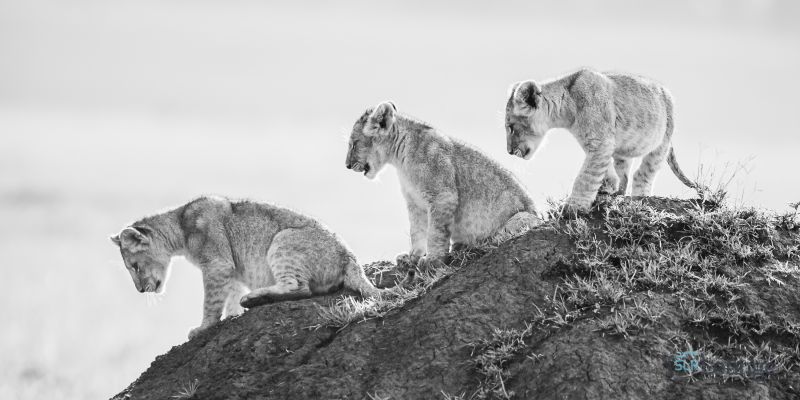
Wildlife photography, otherwise known as nature photography, is a type of photography that involves photographing wildlife in natural habitats. The primary subject of the photo needs to be a live animal for the photograph to fit within the wildlife genre. This includes safari photography, some macro photography when the photos include live animals or insects, and some landscape photography when the primary subjects include wildlife. Wildlife and natural photography typically excludes photos taken at zoos or photos of taxidermy.
A wildlife photographer is a person who documents wildlife with a camera. This section of the website provides wildlife and nature photography tips, news, camera advice and more.
Wildlife Photography Tips
Wildlife photography requires a unique set of photographic skills. Here are a few tips for getting started in Wildlife Photography.
- Plan and Research – Gain an understanding of your subject prior to going on your shoot. The more you understand about the wildlife you’re attempting to photograph, the more likely you’ll be able to predict its movements, location, and ideal angles.
- Be safe when photographing wildlife – You may want to consider guided tours with local experts to ensure your safety when photographing dangerous wildlife. And even if the subjects you’re aiming to photograph are not considered dangerous, ensure that you take proper safety precautions for the environment that you’re in. See these wildlife photography safety tips by Max Bridge.
- Bring the right gear for the job – Understanding the gear you need and don’t need is critical. Will you need a telephoto lens? A macro lens? A wide angle lens? Will you need protective rain gear? The right planning and research will help you get the best possible wildlife photography.
For more information, see these 5 wildlife photography tips by Will Nichols.
Best camera for wildlife photography
The best camera for wildlife photography is lightweight and weather proof. It has great dynamic range and low light performance. It has shoots at a high frames per second and has enough megapixels to allow for significant cropping. We would recommend cameras like the Sony A9 or the Nikon D810. Stay tuned for a complete list of the best cameras for wildlife and nature photography.
Best lens for wildlife photography
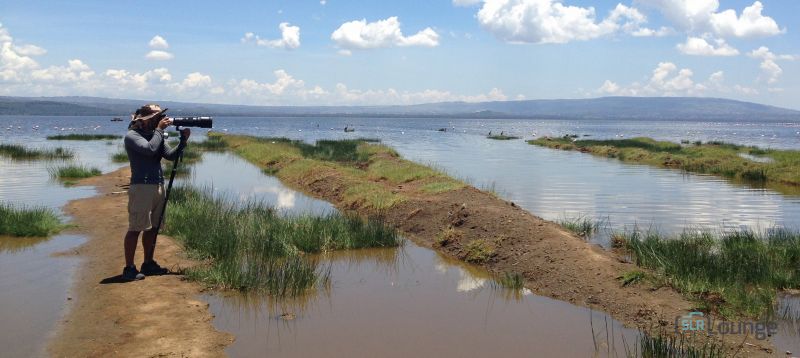
The best lenses for wildlife and nature photography depend on what you are photographing. Telephoto lenses like the Sigma 120-300mm f/2.8 DG OS HSM and the Tamron 150-600mm are great for safari photography. The Canon 100mm Macro Lenses are great for insect and other macro shots. You may need a wide angle lens like these ones if you know you’ll be photographing large groups of wildlife. We’ll be putting together a full list of the best lenses for wildlife photography on SLR Lounge, so keep an eye out for that article.
Wildlife Photography Jobs
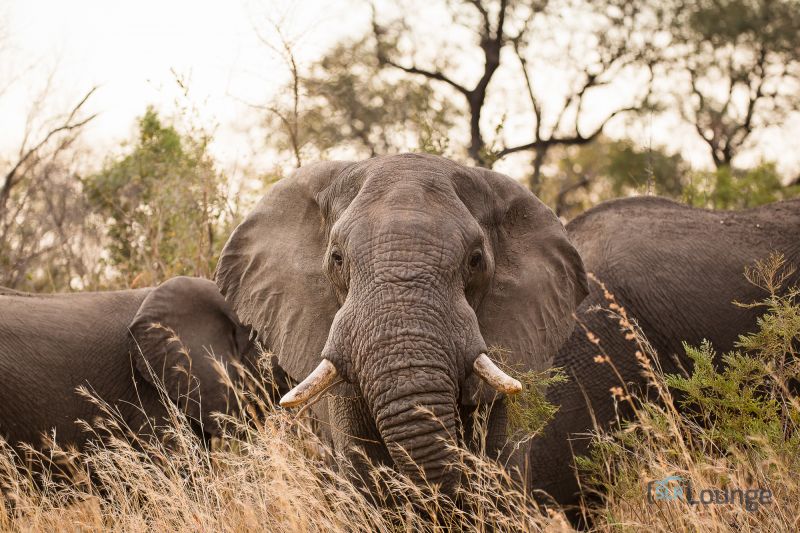
There are very few paying wildlife photography jobs on the market. To monetize your wildlife and nature photography, you can look for work with publications like National Geographic or science journals. You can also look to sell your wildlife photography as stock photos. Another option is to sell prints of your wildlife photos on your own website. You can also enter wildlife and nature photography contests. Lastly, you can also look to teach wildlife photography with in-person tours or online workshops.
Most wildlife photographers are hobbyists who pursue the craft out of passion. They create prints in their homes and share their photos with their family, friends and social media network.

Useful Wildlife Photography Tips And Editing Fog Techniques {How I Shot It}
Some useful wildlife photography tips for shooting in dense fog as well as some editing advice. Check out how I shot (and edited) an unconventional wildlife photo.

Wildlife Photography: What Gear Do You Really Need? {Deer Hunter Series Part 1}
Don’t get me wrong, I’m actually one of those rare photographers who will tell you that gear is important. However, with this article I want to show you that you can push the boundaries a little so long as you plan things out.

Canon 7D Mk II, A Sports & Wildlife Perspective | Review
I have had the 7D Mark II for the last month, and being that my two favorite subjects to shoot are sports and wildlife, this camera was right up my alley.

New Tamron 150-600mm: A Budget Wildlife Photographer’s Dream Lens
We have talked about the new Tamron 150-600mm f/5-6.3 lens a few times now since its release. The new lens, pricing in at just over $1,000, looks to appeal to hobbyist and semi-professional wildlife photographers who need the extreme reach of 600mm at a reasonable price. But how well does the lens stack up against the competition?