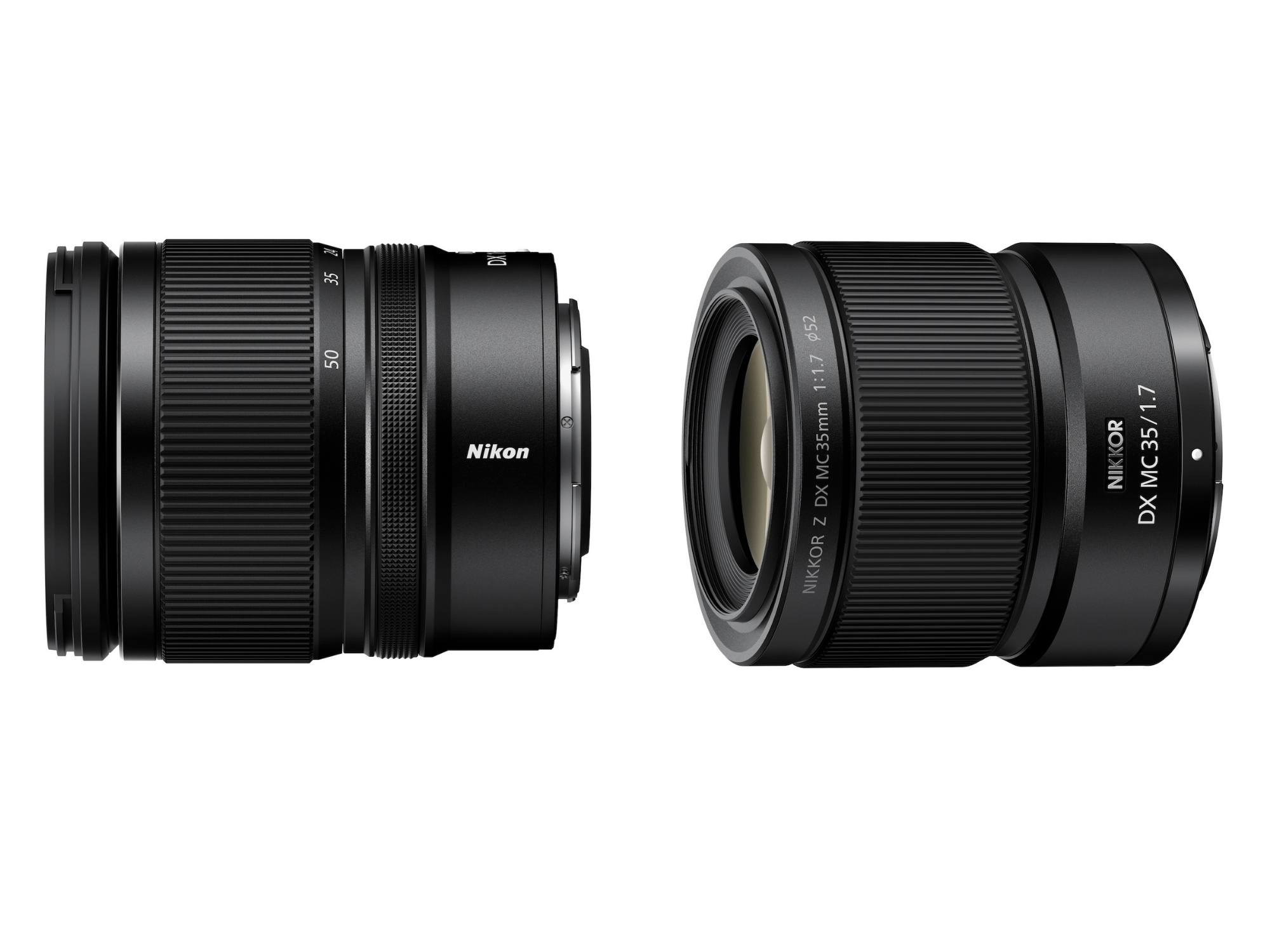
Nikon is doubling down on its commitment to DX-format mirrorless users with the launch of two new NIKKOR Z lenses: the NIKKOR Z DX 16-50mm f/2.8 VR and the NIKKOR Z DX MC 35mm f/1.7. Both are compact, affordable, and designed to offer Z50, Z30, and Zfc shooters expanded creative flexibility — whether for stills, video, or macro work.
Fast Zoom with Real Reach: NIKKOR Z DX 16-50mm f/2.8 VR

The new 16-50mm f/2.8 VR is a significant step up from the collapsible 16-50mm f/3.5-6.3 kit lens. This version offers a constant f/2.8 aperture throughout its zoom range, covering a 24-75mm equivalent on DX — a practical focal range for everything from wide-angle travel scenes to tight portraits.
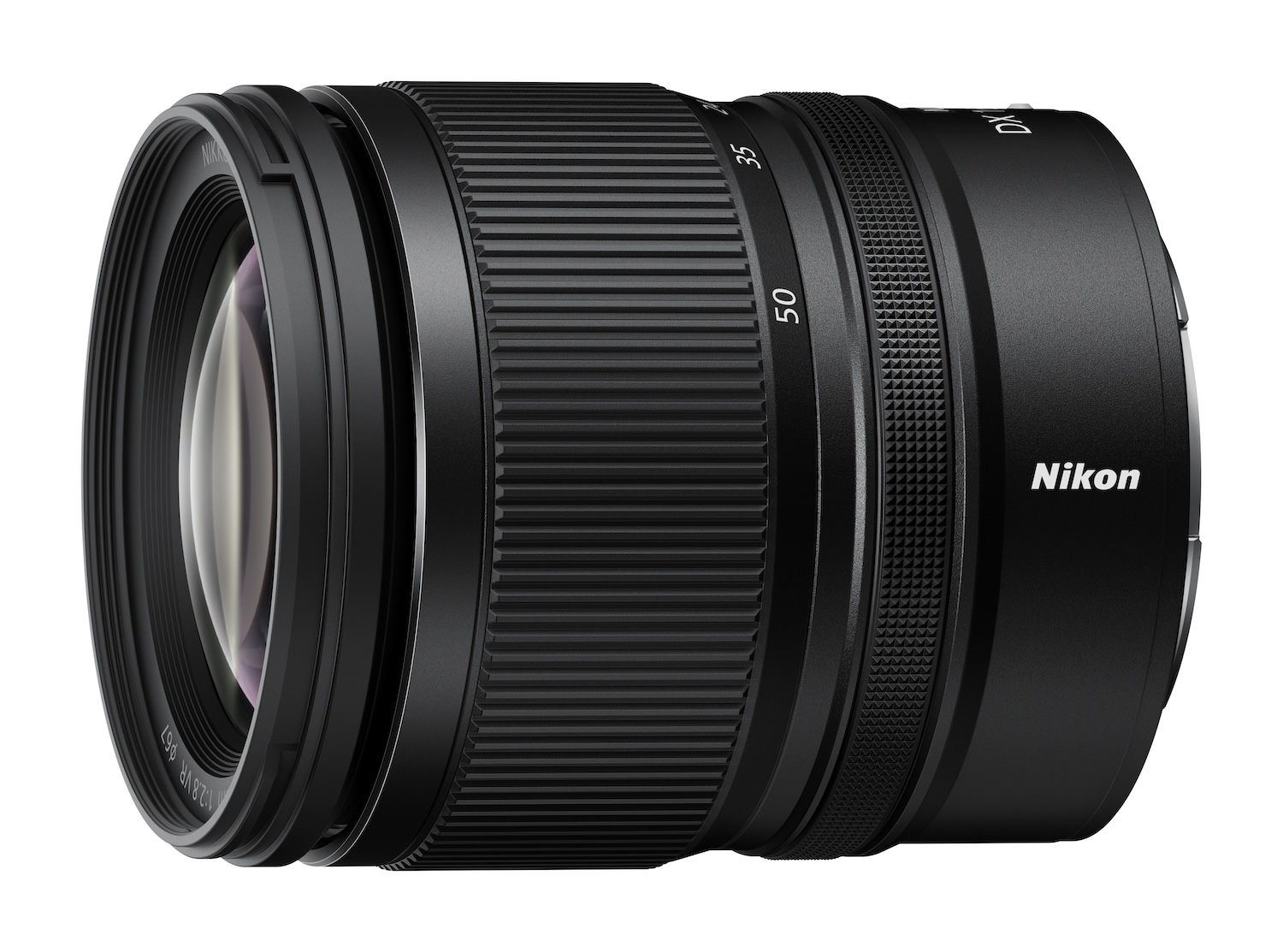
While compact (just 3.4 inches long) and light (330 grams), the lens doesn’t skimp on performance:
- Constant f/2.8 aperture for shallow depth of field and better low-light results
- Built-in VR with up to 5 stops of stabilization
- Stepping motor for quiet, smooth autofocus — ideal for video
- Internal zoom and minimized focus breathing
- Minimum focus distance of 5.9” (wide) and 9.8” (tele)
- Customizable control ring and weather-sealed construction
For creators using the Nikon Z50 II — which supports Hi-Res Zoom — this lens can digitally extend to an effective 16-100mm range while maintaining resolution, all while preserving the f/2.8 aperture.
Macro Meets Everyday: NIKKOR Z DX MC 35mm f/1.7
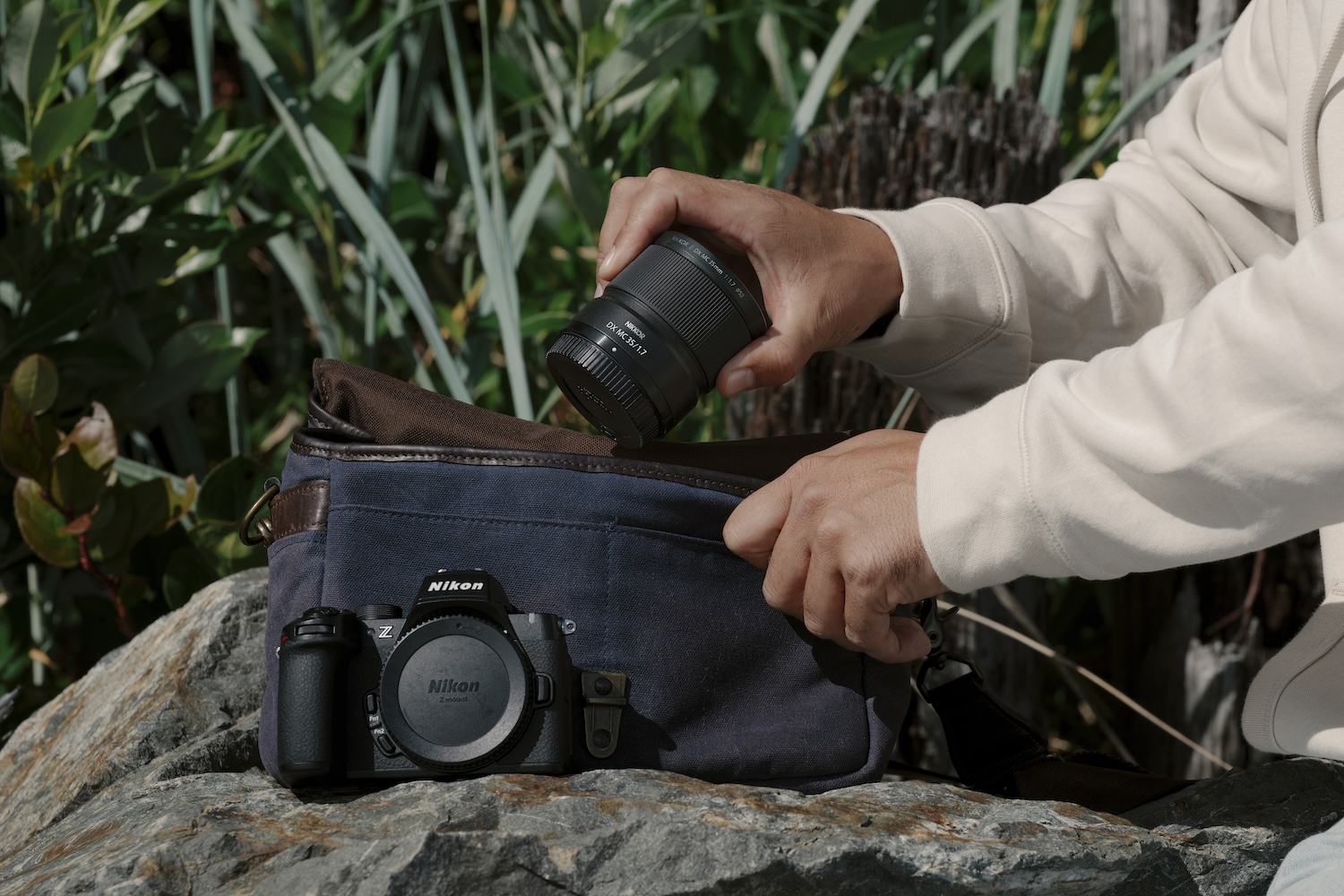
Also new is the NIKKOR Z DX MC 35mm f/1.7 — Nikon’s first DX-format Z lens to offer near life-size reproduction. While labeled a “Micro” lens, it serves a dual role: as a fast standard prime and a capable close-up tool.
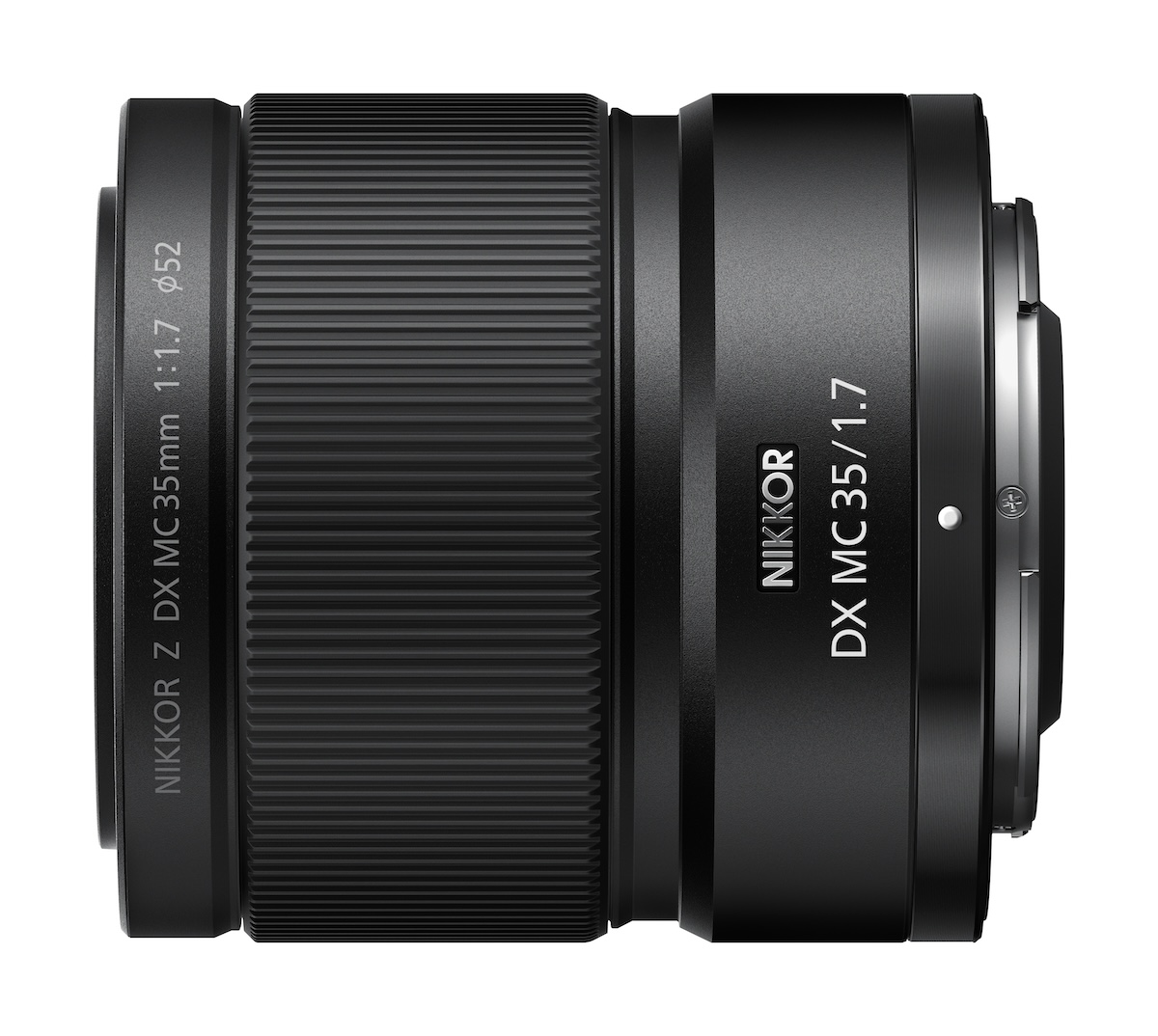
Key specs include:
- f/1.7 maximum aperture for subject isolation and low-light shooting
- 6.2-inch minimum focus distance (2.8-inch working distance)
- 0.67x magnification (equivalent to 1:1 on full frame)
- Compact and lightweight design
- Internal focusing and one aspherical ED element to control aberrations
- Quiet STM AF and dust-/drip-resistant construction
It’s a versatile prime that covers everything from tabletop detail shots to casual portraits, and it fits the minimalist ethos of Nikon’s Z DX bodies.
Positioning Within the Market

In the broader APS-C ecosystem, Nikon’s new 16-50mm f/2.8 VR aims squarely at the middle ground between portability and pro-level control. It’s positioned similarly to Fujifilm’s XF 18-55mm f/2.8–4 — a well-regarded hybrid lens — though Nikon’s constant f/2.8 gives it an edge in low light. It’s also significantly cheaper and smaller than Sony’s 16-55mm f/2.8 G.

The 35mm f/1.7, meanwhile, fills a much-needed gap in Nikon’s DX lineup. Competing systems like Fujifilm and Canon offer multiple small primes and macro options for APS-C shooters. Nikon’s been slow to build out its DX lens catalog, but this release — alongside the 24mm and 12-28mm VR — suggests a more deliberate ecosystem is finally taking shape.
Ideal Use Cases

The NIKKOR Z DX 16-50mm f/2.8 VR is well-suited for handheld video shooters who need reliable in-lens stabilization and a design that minimizes focus breathing. It’s a practical choice for run-and-gun creators, vloggers, or anyone producing content where consistent exposure and fast adjustments matter. Street and travel photographers will appreciate its ability to deliver cleaner subject separation and better low-light performance than a standard kit zoom.

The NIKKOR Z DX MC 35mm f/1.7, on the other hand, makes a strong case as a go-to lens for capturing product detail and tabletop setups — everything from food to crafts to flat lays. It’s equally capable in more spontaneous settings, offering natural rendering and pleasing bokeh for portraits, especially in tight indoor environments where light is limited and space is at a premium.
NIKKOR Z DX 16-50mm f/2.8 VR Sample Images










NIKKOR Z DX MC 35mm f/1.7 Sample Images