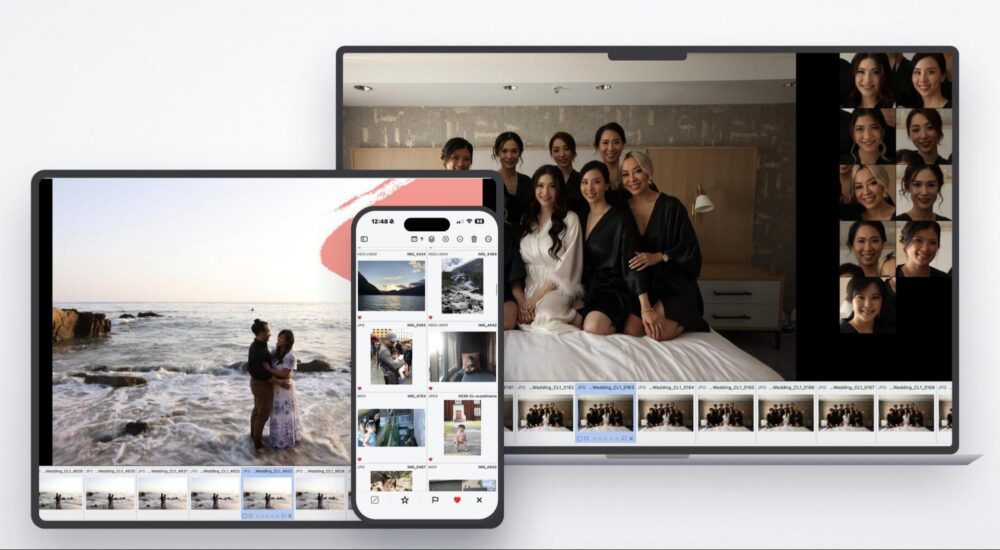
Artificial intelligence is quickly becoming part of the modern photography workflow. You’ve no doubt noticed this over the last couple years, especially in the realm of culling, editing, and managing your general post-processing workflow. Tools that once seemed experimental (and frankly, were not that impressive just a short while ago) are now effectively helping us cull thousands of images, apply edits based on our own personal editing style, and streamline the administrative side of running a photography business.
At the same time, while AI adoption is taking off, trust in the companies building these tools has not always kept pace.
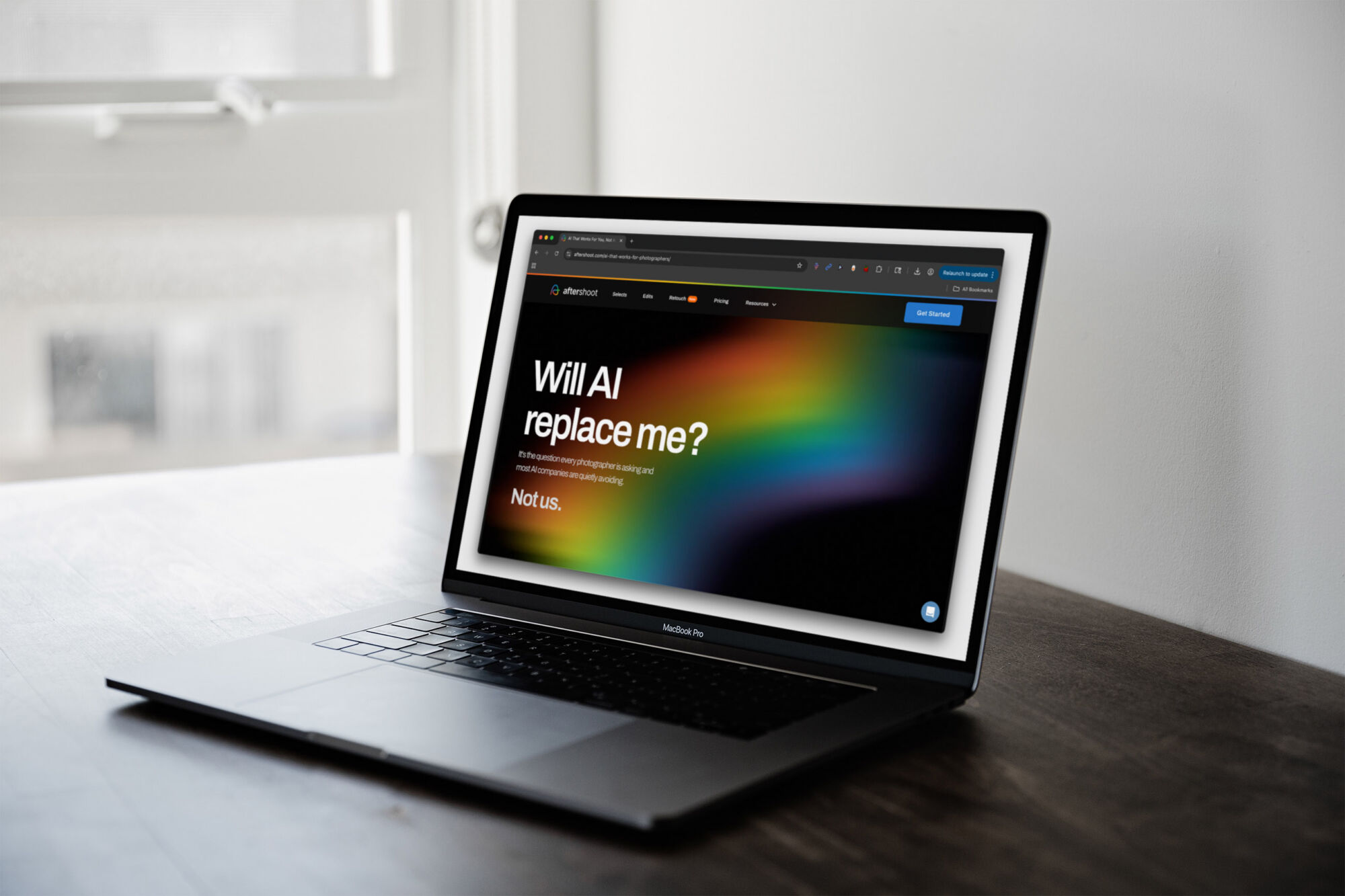
Creatives from a number of industries, including artists, writers, and photographers are asking serious questions about how their work is being used. Some of the most talked about topics involve training data, copyright, and automation. It’s smart to look at AI platforms with a healthy dose of skepticism. For photographers specifically, our underlying question is simple: will the technology meant to help us eventually replace us?
Enter Aftershoot, a company known for its AI-powered culling and editing tools for photographers. They are addressing these concerns directly through a recently launched campaign. The campaign centers on a clear message to photographers: AI should work for photographers, not against them. This point is reinforced by Justin Benson, Co-Founder of Aftershoot. As a working photographer, he brings firsthand experience to the product’s development and explains the motivation behind it: “I got into photography because I love it. Then, I joined to build Aftershoot because post-processing was eating the time I had to actually shoot. And that’s still why we’re here. Not to replace what you do. To protect the time and energy it takes to do it well.”
AI as an Assistant, Not a Replacement
The photography industry has always been shaped by technological change. Think about digital cameras, RAW processing software, and automation tools that we now use and likely take for granted. They have all shifted how we work, but it took time to adapt and understand how these tools benefit us rather than render us obsolete. AI represents the next evolution in that progression, but it has introduced a new level of uncertainty.
For many photographers, the fear is not simply about efficiency tools. It is about the possibility that AI could begin to replicate creative work itself.
As noted in their new campaign, Aftershoot’s position is that the role of AI in photography should remain focused on removing repetitive tasks rather than replacing artistic decision making. The company’s tools are designed to handle time-consuming parts of the workflow, such as culling large image sets, applying advanced edits that AI learns to process in your personal style, and assisting with retouching. The goal is to give photographers more time behind the camera and less time in front of a computer. Check out this Snapshot 2025 report to see how photographers used this tech to regain time in 2025.
In other words, the software is intended to expand our capacity as photographers rather than compete with our creativity.
Setting Clear Boundaries for AI Development
Based on the point we made above, it’s worth noting that a core component of the campaign focuses on defining the boundaries of AI development within the photography space.
While AI can dramatically reduce the time spent on repetitive tasks, we as photographers still want to maintain control over our creative work and our businesses. The campaign outlines the company’s commitment to avoid building features that would undermine photographers’ professional value or creative ownership.
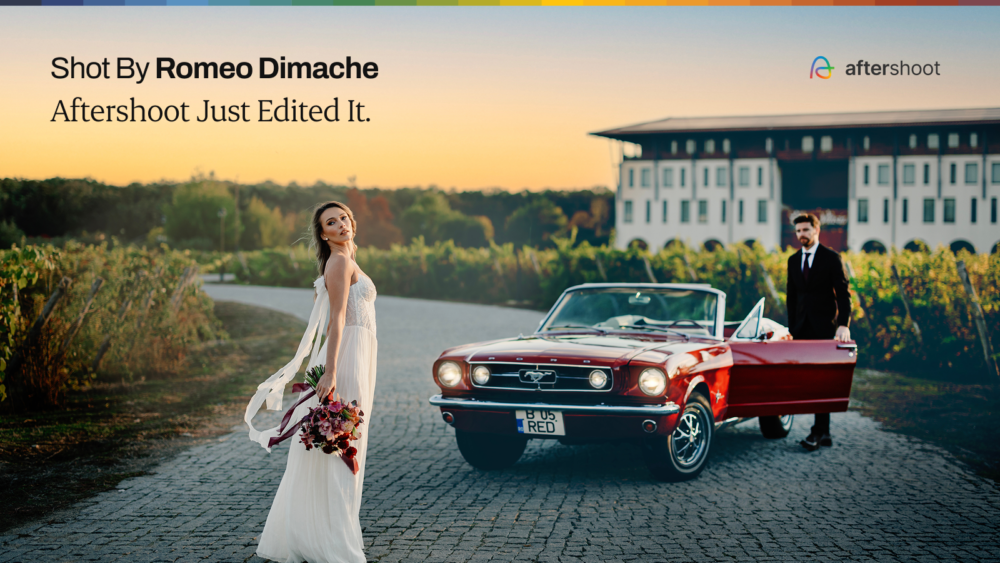
The message is straightforward. AI should assist photographers in their workflow, not attempt to replace the role of the photographer itself. This part is so important. I mentioned the introduction of digital photography earlier. When the transition really took hold, many photographers feared that photography would become too easy and the craft itself would suffer. Despite early resistance, the majority of photographers switched over and the craft is alive and thriving with photographers pushing the boundaries of what their gear can do for them.
For many professionals who have been hesitant to adopt AI tools, these kinds of commitments may help clarify where certain companies stand as the technology continues to evolve.
Transparency Around Data and AI Training
Beyond concerns about replacement, one of the biggest questions photographers have about AI tools involves data usage. Photographers want to know what happens to the images they upload. Are those files used to train models? Are they stored permanently? Can they be removed if a user leaves the platform?
The Trust Building Campaign aims to address these concerns through clearer communication and documentation around how Aftershoot handles data. The company is publishing detailed explanations of how its AI systems are trained, where training data originates, and what choices photographers have regarding their own images.
This includes information about consent, opt-out options, and the process for requesting data deletion.
By providing direct answers to these questions, Aftershoot is working to replace ambiguity with transparency, something many of us have been asking for as AI tools become more common in our industry.
Building AI with Photographers in the Room
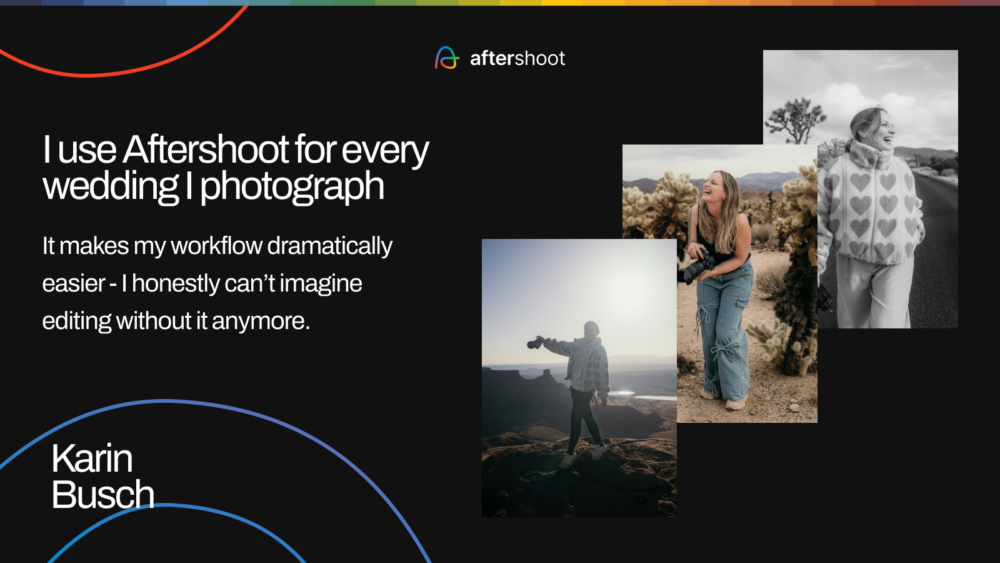
One element of the campaign also emphasizes the role of the photography community in shaping product development.
Rather than building tools in isolation, Aftershoot highlights its approach of incorporating direct feedback from working photographers into the product roadmap. This gives us a voice in guiding the development of AI. Through community programs like Aftershoot’s Create Together Fund or the Founders Community and user feedback channels, we will have the opportunity to influence how the software evolves and what features are prioritized. This approach feels more like a collaborative one, and if you know anything about Aftershoot, that makes sense.
Maddy Jenkins, a wedding and portrait photographer, shared her experience working with the Aftershoot team: “I’ve always felt genuinely included by the team at Aftershoot. They regularly ask for my feedback and take the time to thoughtfully respond, which makes it clear that my perspective is valued and considered. What stands out most is how supportive and community-focused they are. Through initiatives like the Aftershoot Create Together Fund, they give back in meaningful ways and support photographers beyond just the software. Overall, being part of the Aftershoot community makes me feel like my voice matters and that I’m part of something collaborative, not just a user.”
A lot of companies push the “by photographers, for photographers” angle, but that is not really the case for most AI platforms. It IS the case here.
Addressing the Bigger Conversation Around AI
When it comes to addressing the points raised above, the sooner, the better. The campaign arrives at a perfect time when conversations about AI ethics and transparency are expanding across creative fields. Photographers today are not just evaluating whether a tool saves time. We are also evaluating whether the company behind the tool aligns with our values and respects our creative profession.
By placing transparency, community involvement, and clear development boundaries at the center of its messaging, Aftershoot is attempting to address the broader concerns that many of us have expressed about AI technology.
Whether these efforts will reshape perceptions across the industry remains to be seen. What is clear is that as AI continues to integrate into photography workflows, trust will likely become one of the most important factors photographers consider when choosing the tools they use.