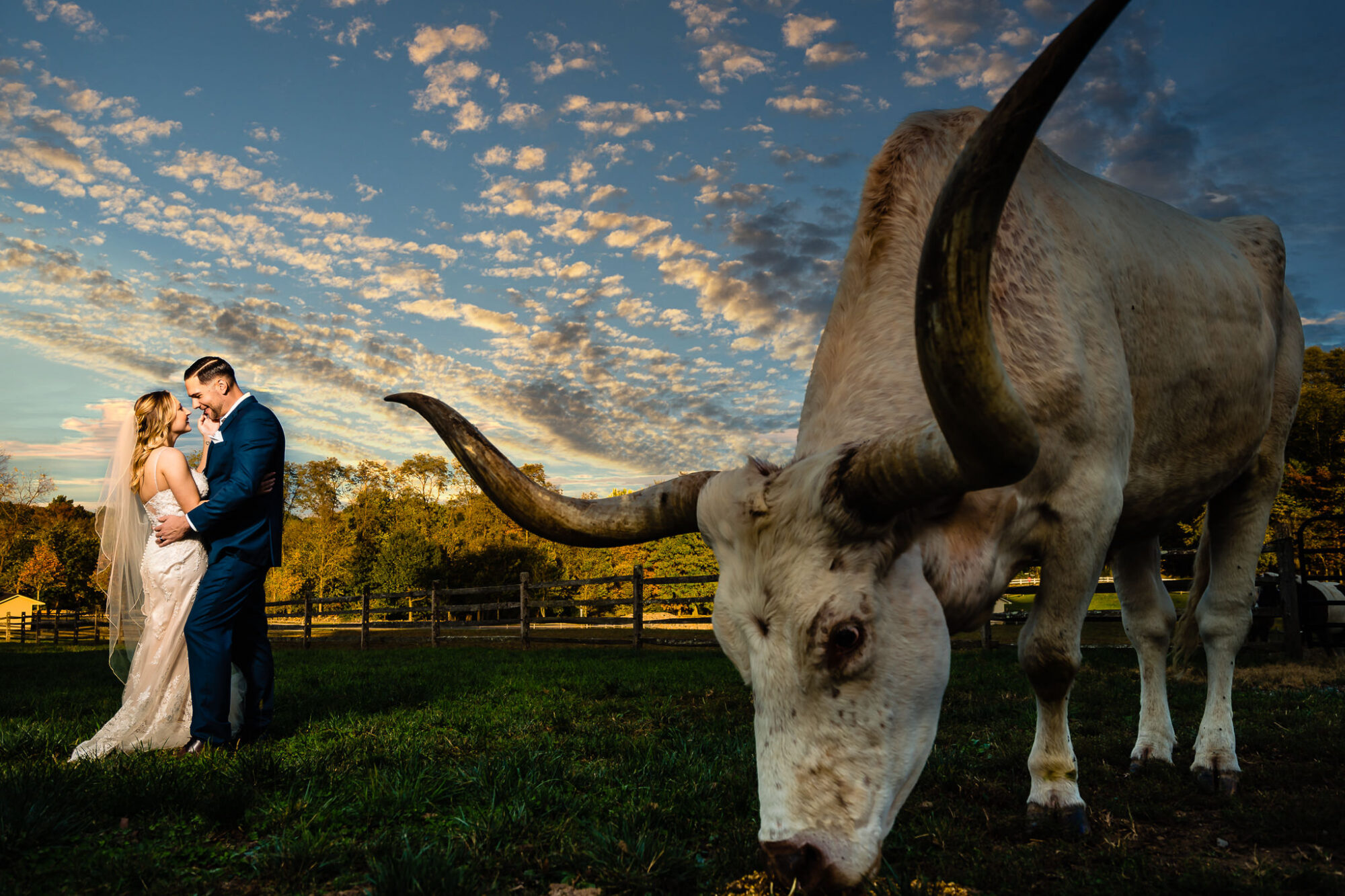
Ranch and farm wedding venues offer far more than rustic charm. For photographers, they provide an unusual combination of scale, texture, architecture, animals, and environmental storytelling opportunities that are difficult to find elsewhere.
The challenge, however, is that many photographers end up photographing these venues the same way they would any other wedding property. The result is a gallery full of portraits that happen to be taken at a ranch rather than portraits that actually feel connected to the location.
The strongest ranch and farm wedding images take advantage of what makes these properties unique. From incorporating livestock and architecture to using vast landscapes and seasonal elements, here are ten practical ways to create more compelling wedding portraits at ranch and farm venues.
All of the images in this article are provided by the photographers at Wedding Maps and used with permission. Featured image by SMJ Photography.
1. Start Wide Before Moving In
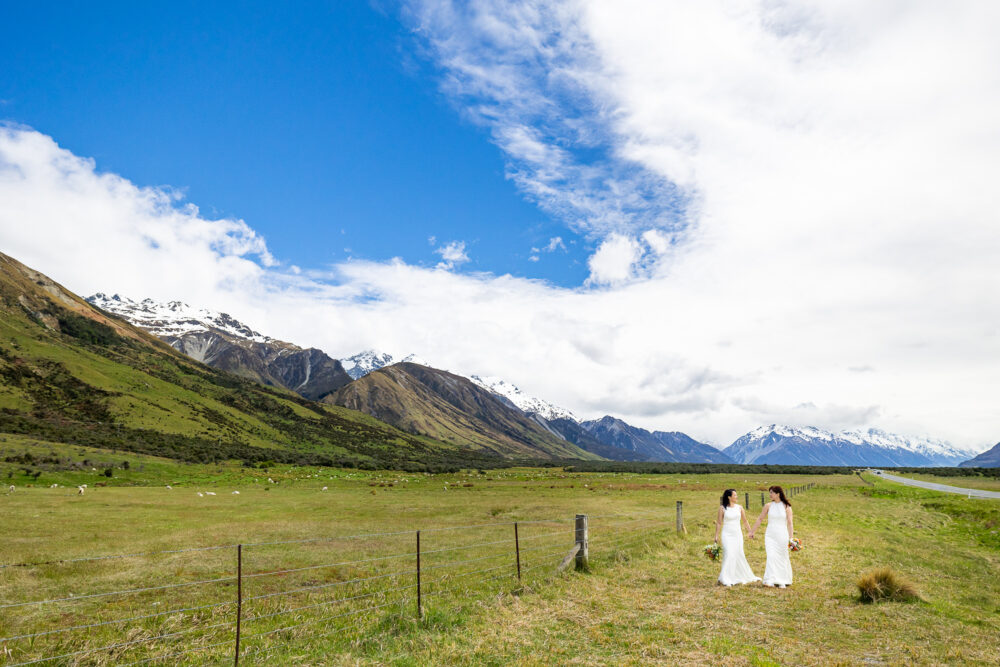
One of the biggest mistakes photographers make at ranch weddings is moving too quickly into medium and tight compositions. While those portraits are important, they can be captured almost anywhere.
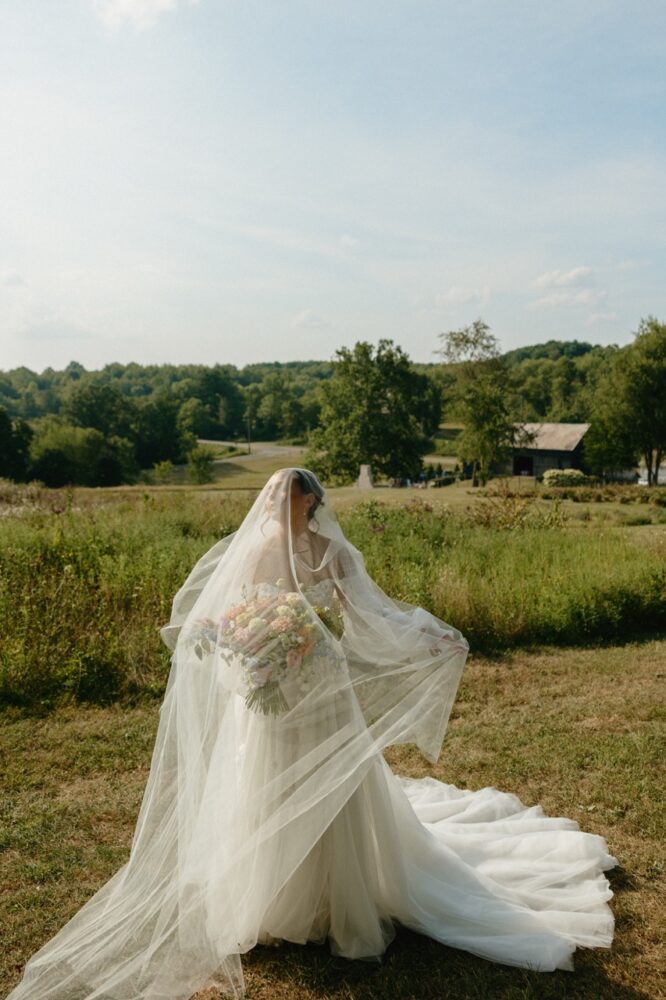
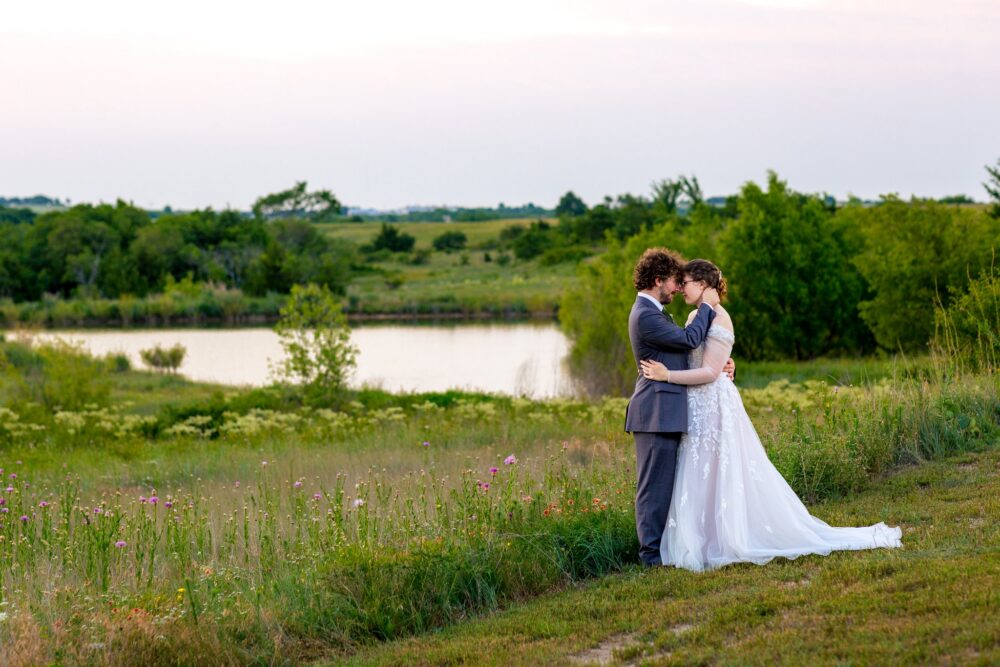
Before reaching for longer focal lengths, look for opportunities to establish the setting. Open roads, mountain ranges, grazing land, and expansive skies allow you to create environmental portraits that immediately communicate the scale of the property.
The goal isn’t simply to make the couple look small. It’s to use the landscape as an active element within the composition.
Tip: During location scouting, identify one or two vantage points where the surrounding scenery becomes part of the story. Capture those frames early before shifting into tighter portrait work.
2. Use Horses as Environmental Elements, Not Props
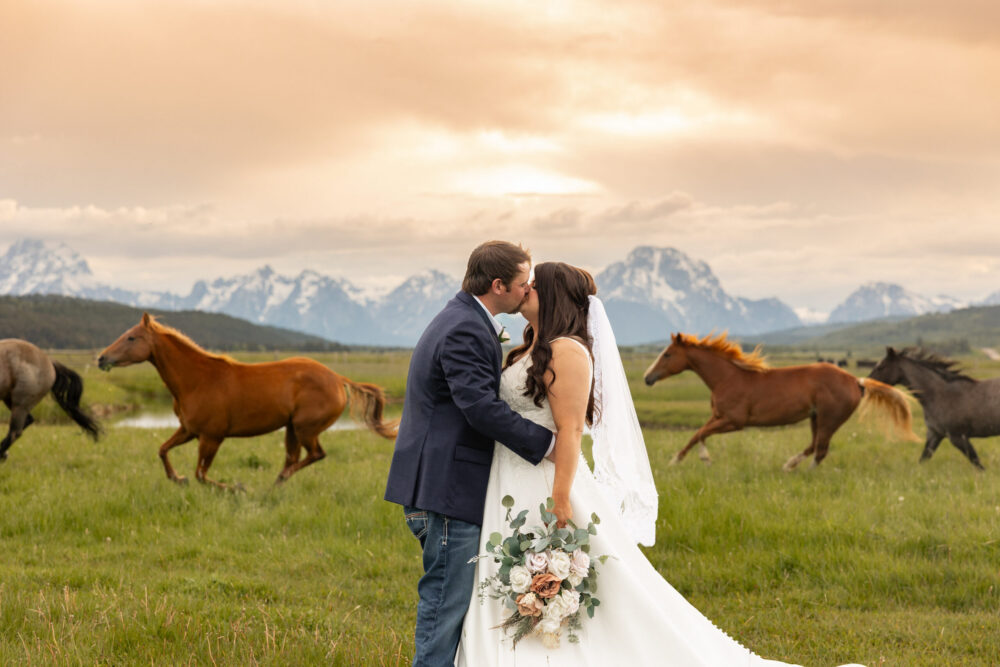
When horses are present, photographers often feel pressure to create direct interaction between the couple and the animal. While that can work, it isn’t always necessary.

Some of the strongest ranch wedding portraits simply use horses as part of the environment. A horse grazing in the background or moving naturally through the frame often feels more authentic than a heavily directed interaction.
This approach also tends to be safer and easier to execute when working with animals unfamiliar with the couple.
Tip: Watch the animal’s behavior before positioning the couple. Let the horse dictate the composition whenever possible rather than forcing the scene.
3. Treat Barns Like Architecture
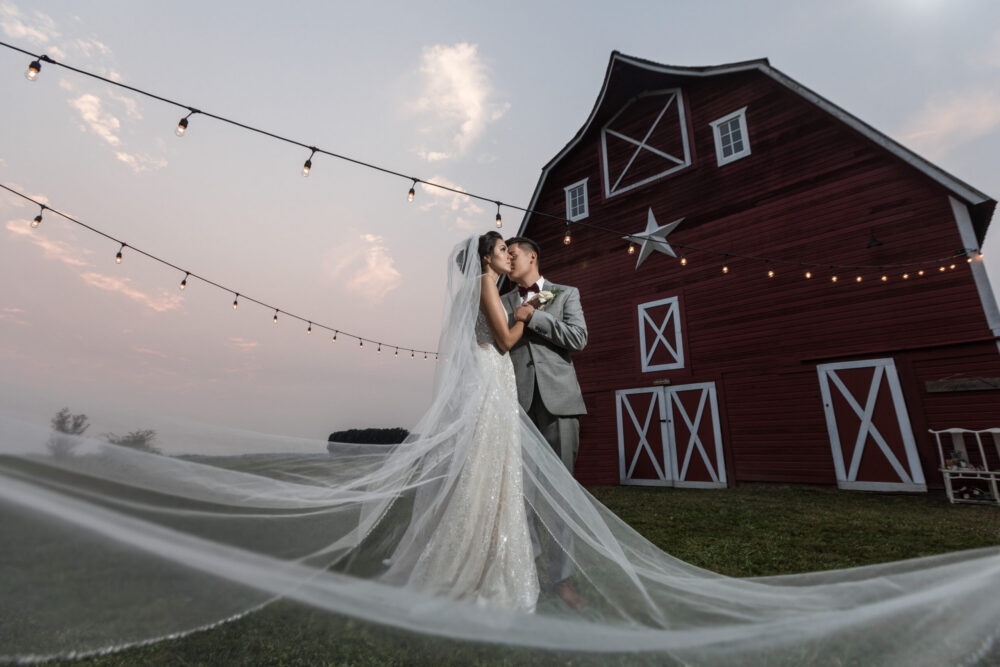
Many photographers approach barns as decorative backdrops. A stronger approach is to photograph them the same way you would photograph a cathedral or modern event space. Look for symmetry, leading lines, repeating textures, large doorways, and natural framing opportunities. Barns often provide multiple portrait locations within a relatively small footprint.
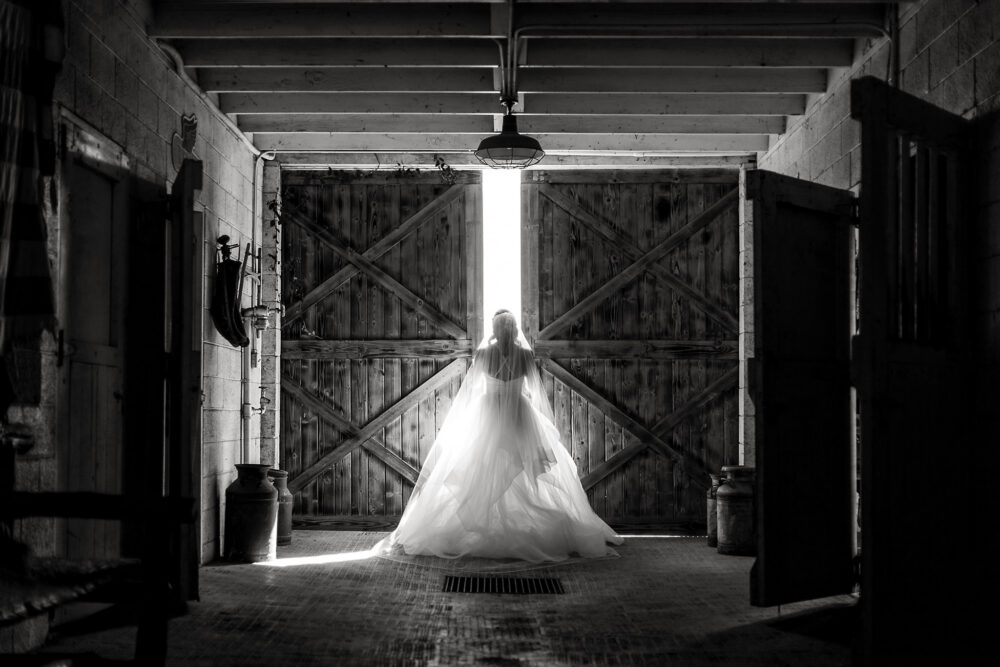
Oversized doors are particularly useful because they allow photographers to combine scale, light, and storytelling in a single frame.
Tip: Before the portrait session begins, spend five minutes walking the structure and identifying architectural elements that can be incorporated into compositions.
4. Look for Interactive Elements on the Property
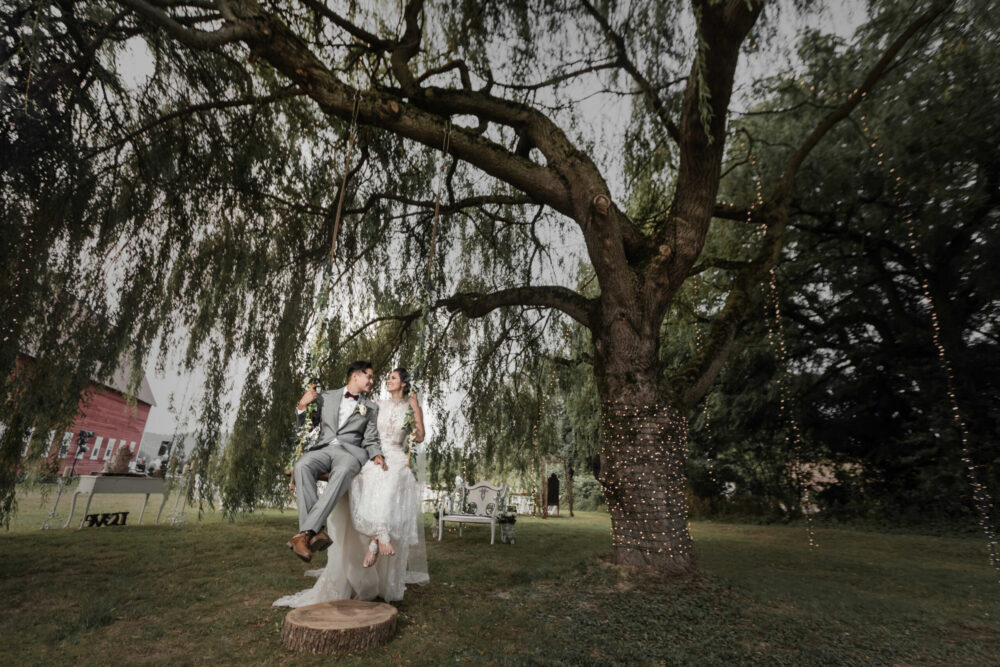
One challenge during portrait sessions is creating natural movement without constantly directing the couple. Ranch properties often solve this problem for you.

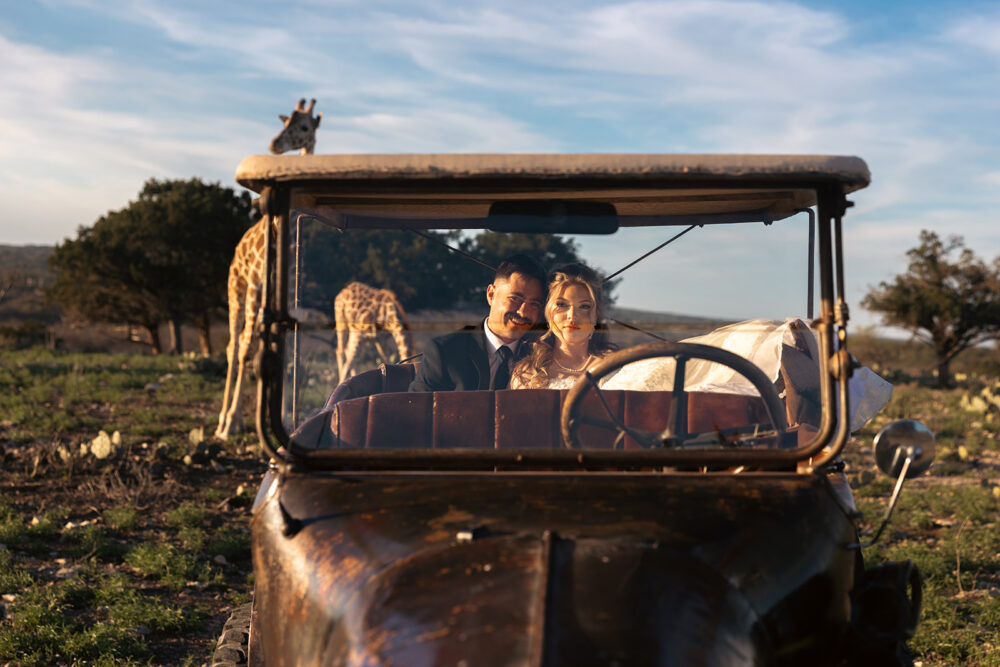
Swings, horse-drawn carriages, old trucks, ranch roads, gates, and similar features give couples something to engage with while simultaneously reinforcing the setting. These interactions often produce more authentic expressions than asking couples to repeatedly walk toward the camera.
Tip: Whenever possible, build activities into the portrait session rather than relying entirely on static poses.
5. Simplify the Scene
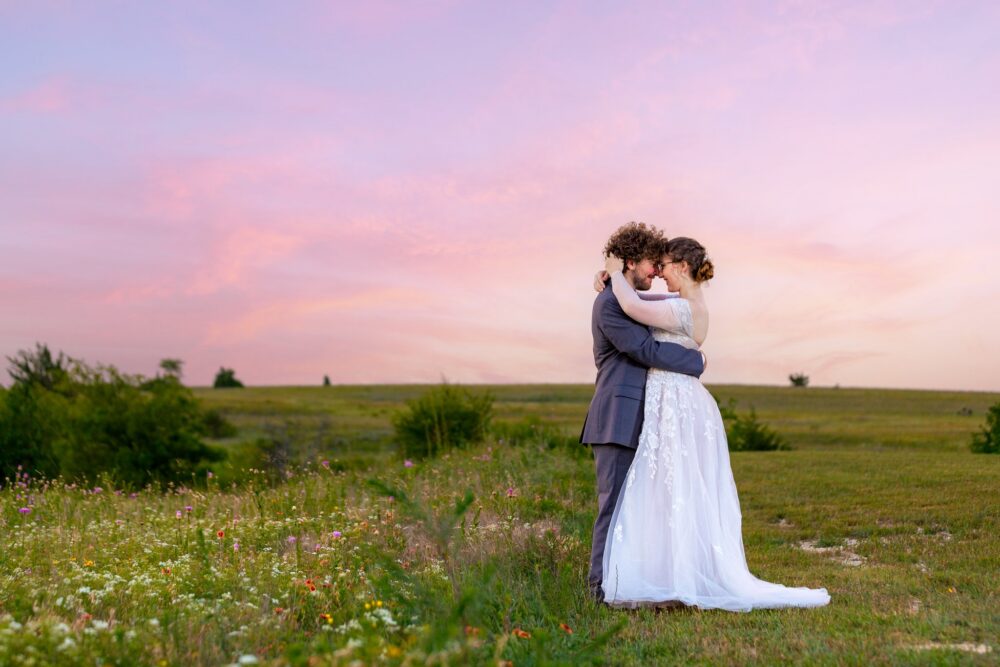
One advantage of ranch venues is the abundance of clean shooting environments. Open pastures, quiet roads, and large fields often contain very few visual distractions. It’s easy to feel compelled to include every interesting feature in the frame. In reality, some of the strongest images come from removing visual clutter and focusing on gesture, expression, and light.
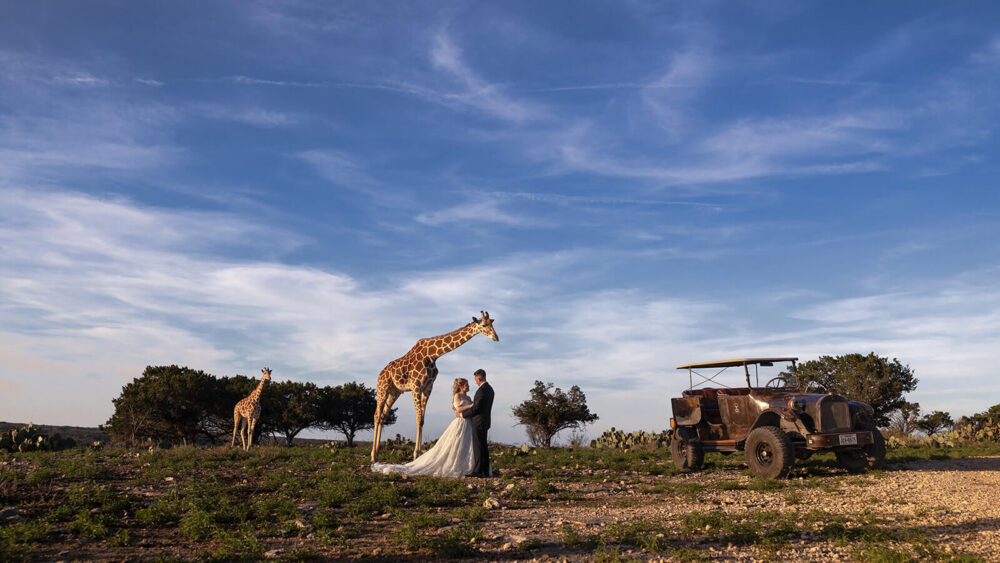
Remember, a simple composition will usually feel more timeless than a complicated one. Fight the urge to flex your skills at every turn, no matter how big the event or unique the venue.
Tip: After capturing the obvious scenic image, challenge yourself to create a second frame using only the couple, the light, and the surrounding negative space.
6. Create Images That Feel Specific to the Venue
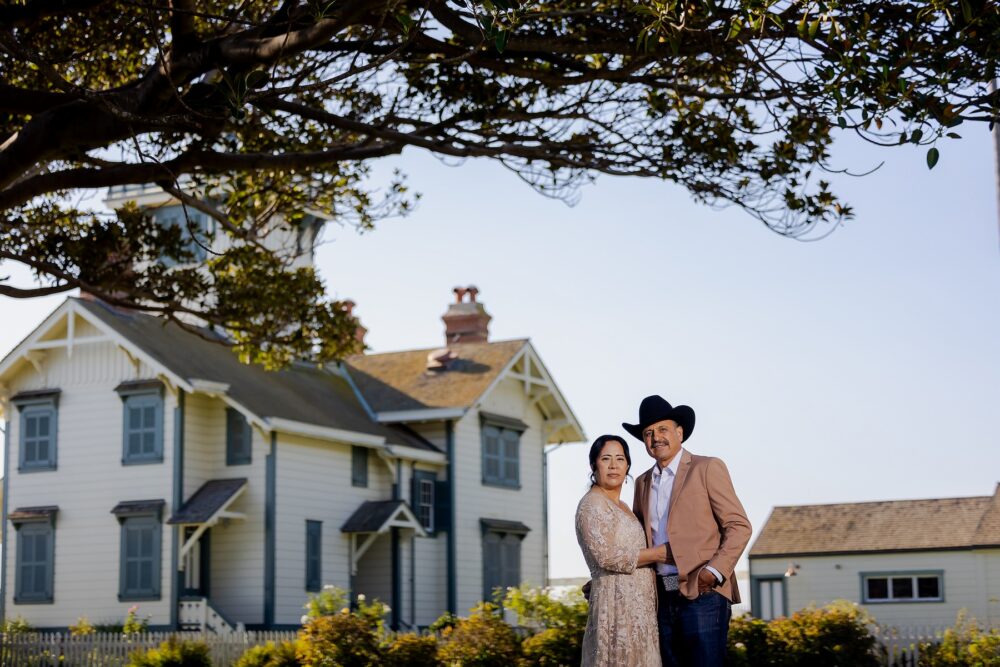
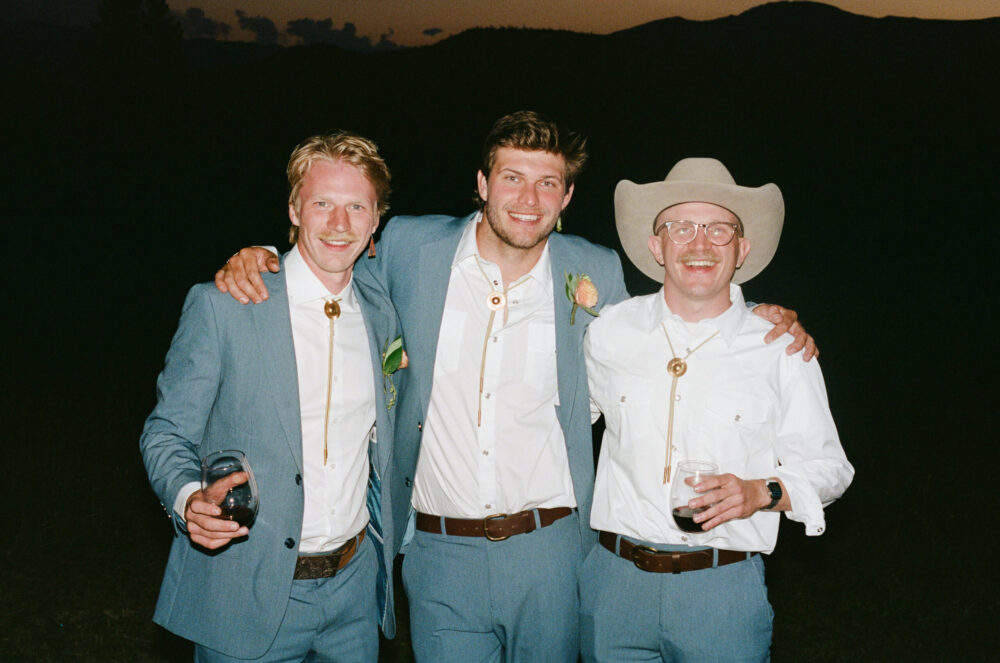
Many wedding galleries contain beautiful portraits that could have been captured almost anywhere. Ranch weddings provide an opportunity to create photographs that feel location-specific. A favorite cowboy hat, a ranch house porch, a fence line, or even the way the property is used day-to-day can become storytelling elements. The objective isn’t to create western-themed photographs. It’s to create images that could only exist at that venue.
Tip: Ask the venue coordinator what part of the property guests consistently photograph or talk about. Those locations often become strong portrait settings.
7. Pay Attention to Seasonal Conditions
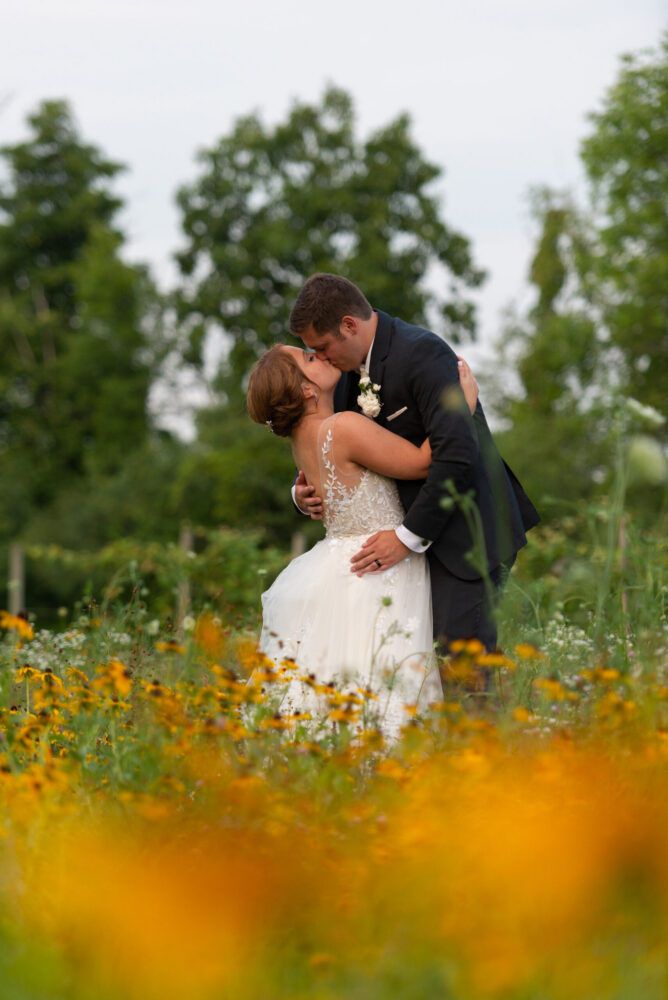
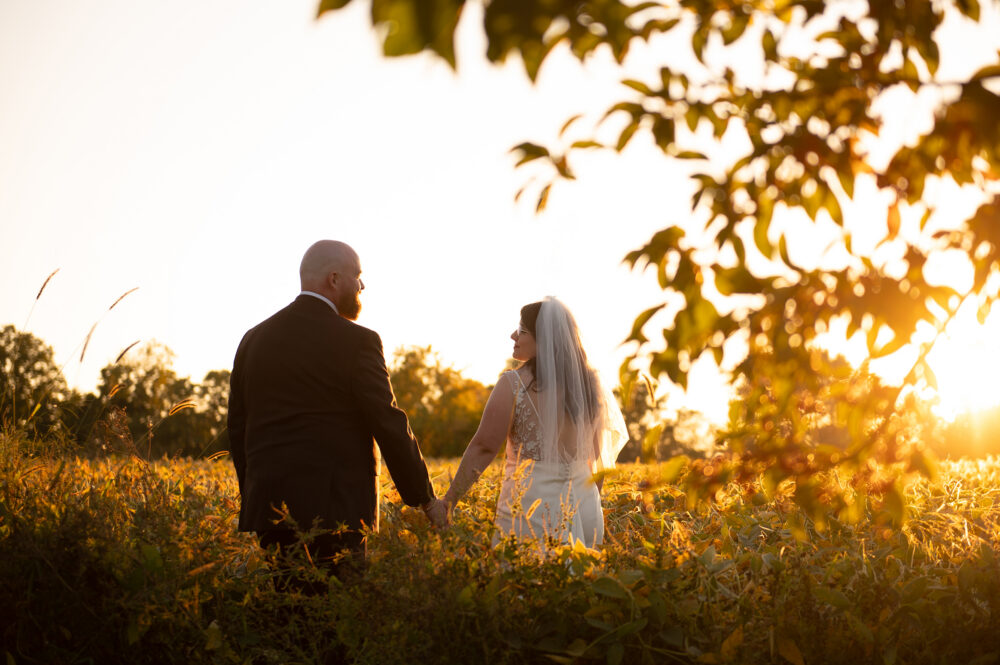
Ranch and farm venues can look dramatically different depending on the time of year. Spring wildflowers, summer grasses, fall colors, and winter landscapes all influence the visual character of the property. Instead of treating the landscape as a neutral backdrop, use seasonal conditions as part of the narrative.
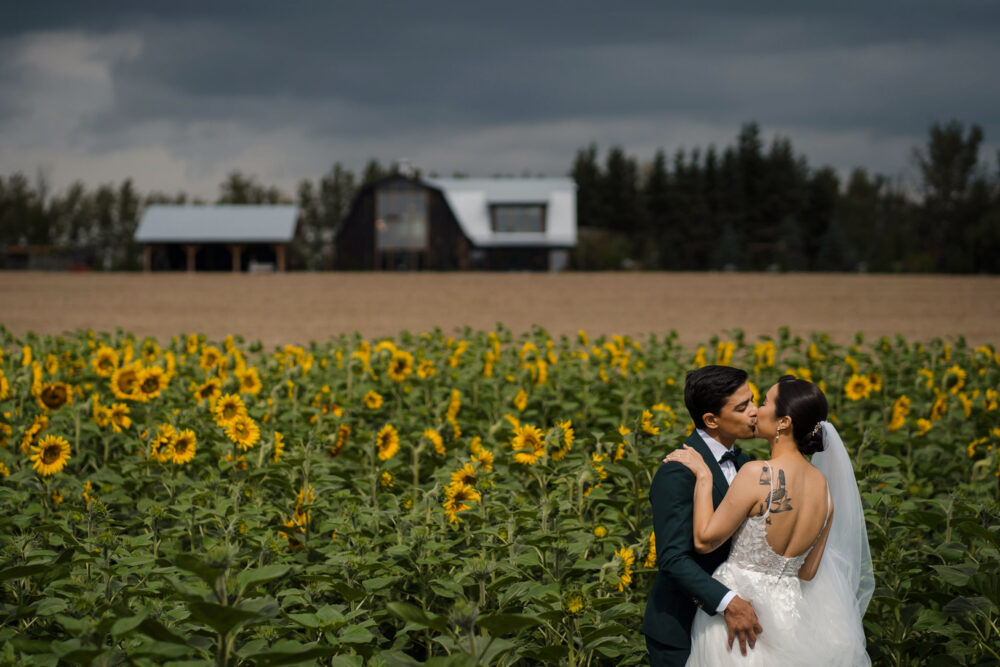
This is particularly important when photographing destination weddings where the environment is part of the couple’s decision to book the venue in the first place.
Tip: Research the venue beforehand and look for seasonal features that may only be available during certain months.
8. Use Water Features Creatively

Ponds, stock tanks, watering holes, and even temporary puddles can become useful compositional tools. While reflections are the obvious approach, water can also help create separation, depth, and visual layering within environmental portraits. Many photographers walk past these features because they don’t immediately appear dramatic, but they’re worth noting.
Tip: Scout water features during portrait time and revisit them near sunset when reflections are often strongest.
9. Include Establishing Portraits of the Venue
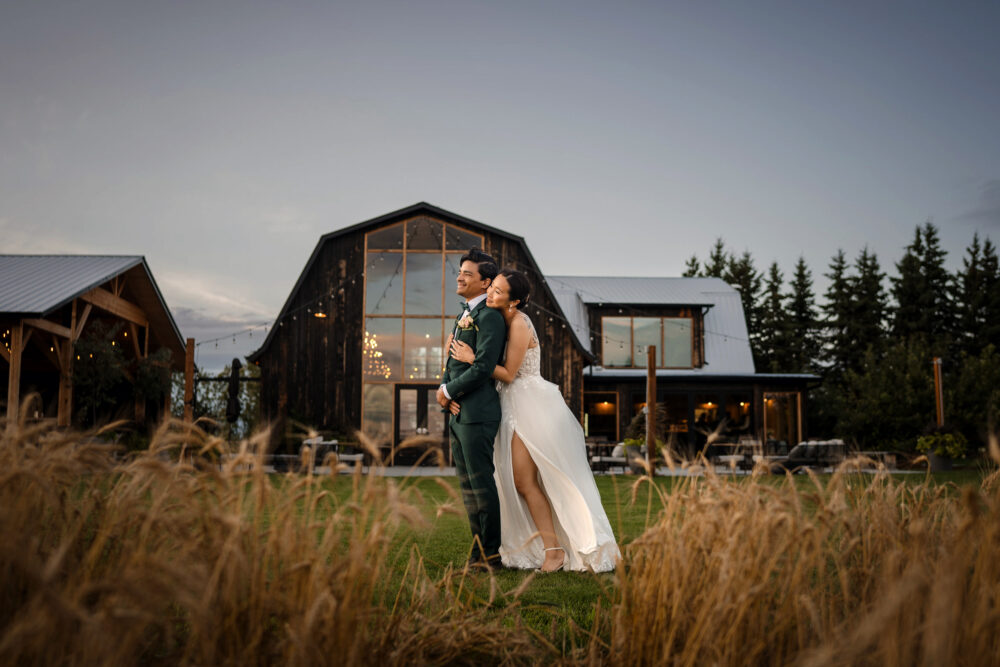
Wedding photographers often document reception spaces and venue exteriors separately from the portrait session. Consider combining the two. A well-executed portrait that incorporates the venue’s main structure can serve as both a portrait and an establishing image for the gallery.
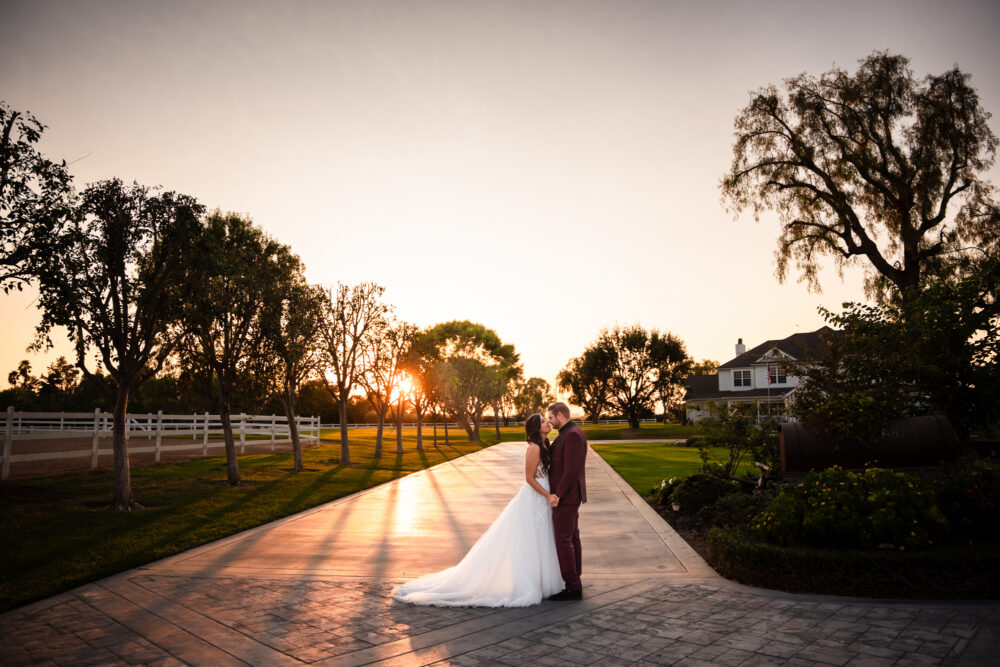
These photographs tend to gain value over time because they document not only the couple but also the location they chose.
Tip: If the venue has a signature building, create at least one portrait where the structure occupies a meaningful portion of the frame rather than appearing as a distant background element.
10. Don’t Ignore the Unscripted Moments
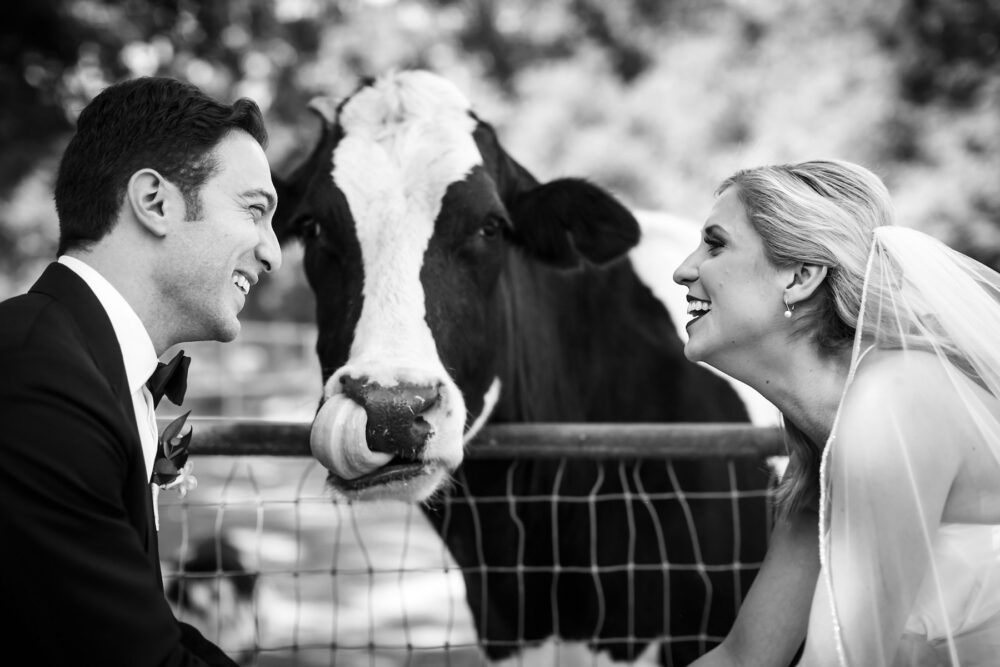
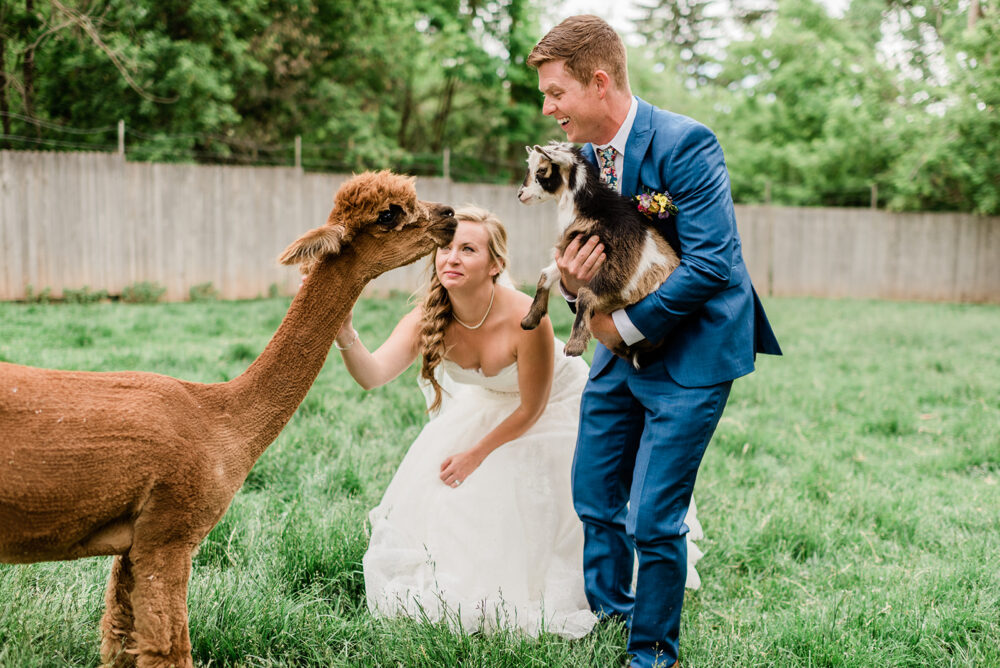
Animals wandering into the frame. Couples laughing while interacting with livestock. Unexpected reactions during the recessional. These moments often become some of the strongest images in the gallery because they reveal something genuine about the experience of the day.Ranch weddings naturally produce situations that don’t happen at traditional ballroom venues. Be ready when they occur.
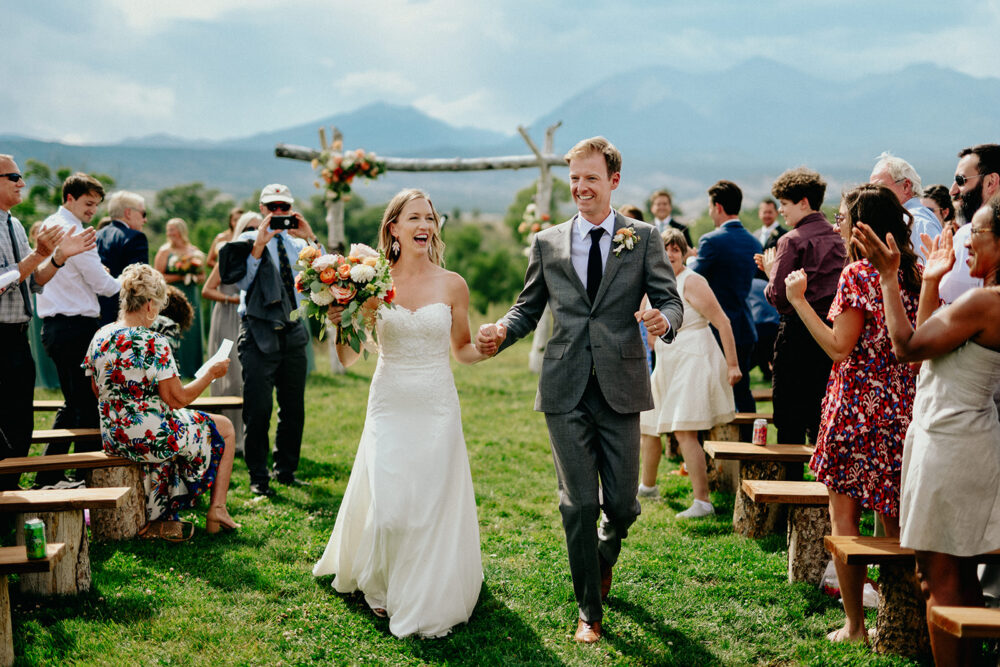
Tip: Keep shooting during transitions. Many of the most memorable ranch wedding photographs happen between the planned portrait locations.
Final Thoughts
The best ranch and farm wedding photographs aren’t defined by horses, barns, or mountain views alone. They’re defined by how effectively those elements are incorporated into the story of the wedding day.
Rather than treating the venue as a backdrop, look for ways to make it part of the narrative. When the landscape, architecture, animals, and seasonal conditions (all of which we’ve covered above) contribute to the final image, the result is a gallery that feels rooted in a specific place rather than simply photographed there.
Here are more ranch and farm wedding photos for your inspiration: