Astrophotography, nightscape photography, and deep-sky photography
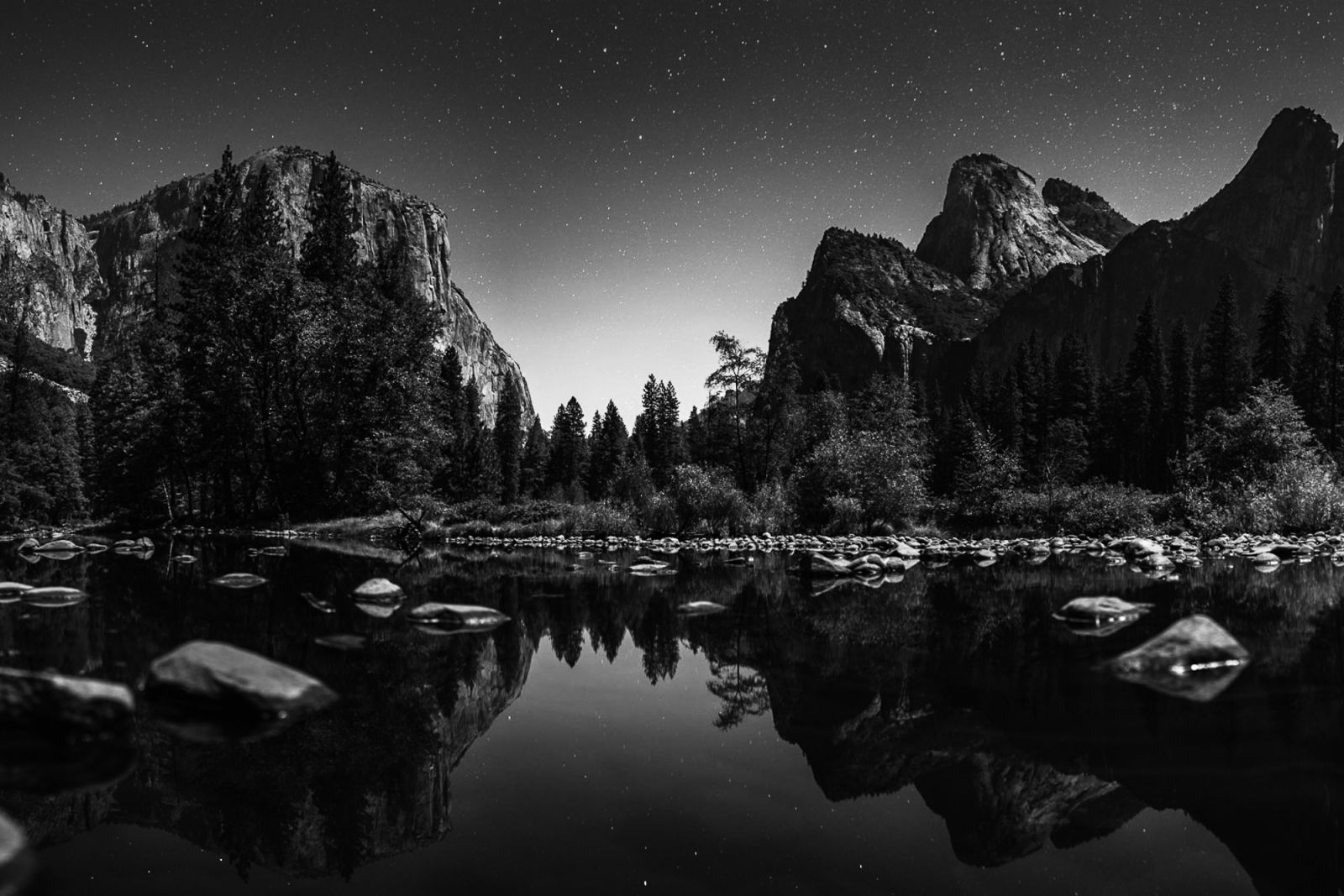
Astrophotography, both deep-sky and landscapes, have risen in popularity in recent years thanks to the advances of digital camera sensors that have allowed even beginner photographers to get impressive images of the night sky.
Click here to learn about how this photo was made!
The term astrophotography itself technically includes the photography of any celestial body or event, beyond what is considered an “ordinary” sunrise or sunset photo. Originally, this was purely the work of telescopes and specialized cameras / sensors, however now there are many different ways to go about astrophotography, and many new sub-categories and other definitions that fall into the parent category.
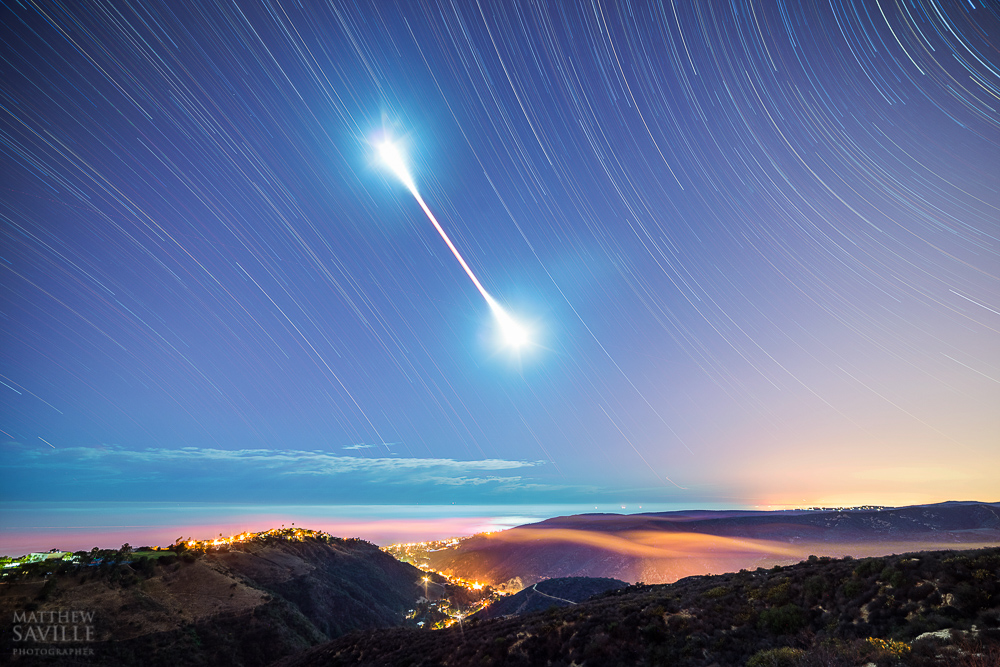
If an astro photograph also includes any earthly terrain in the image, it would be called landscape astrophotography, or astro-landscape photography, or sometimes simply nightscape photography. On the other hand, many photos considered “nightscapes” may not actually include any stars, due to light pollution of weather, and may simply be landscape photos taken at night.
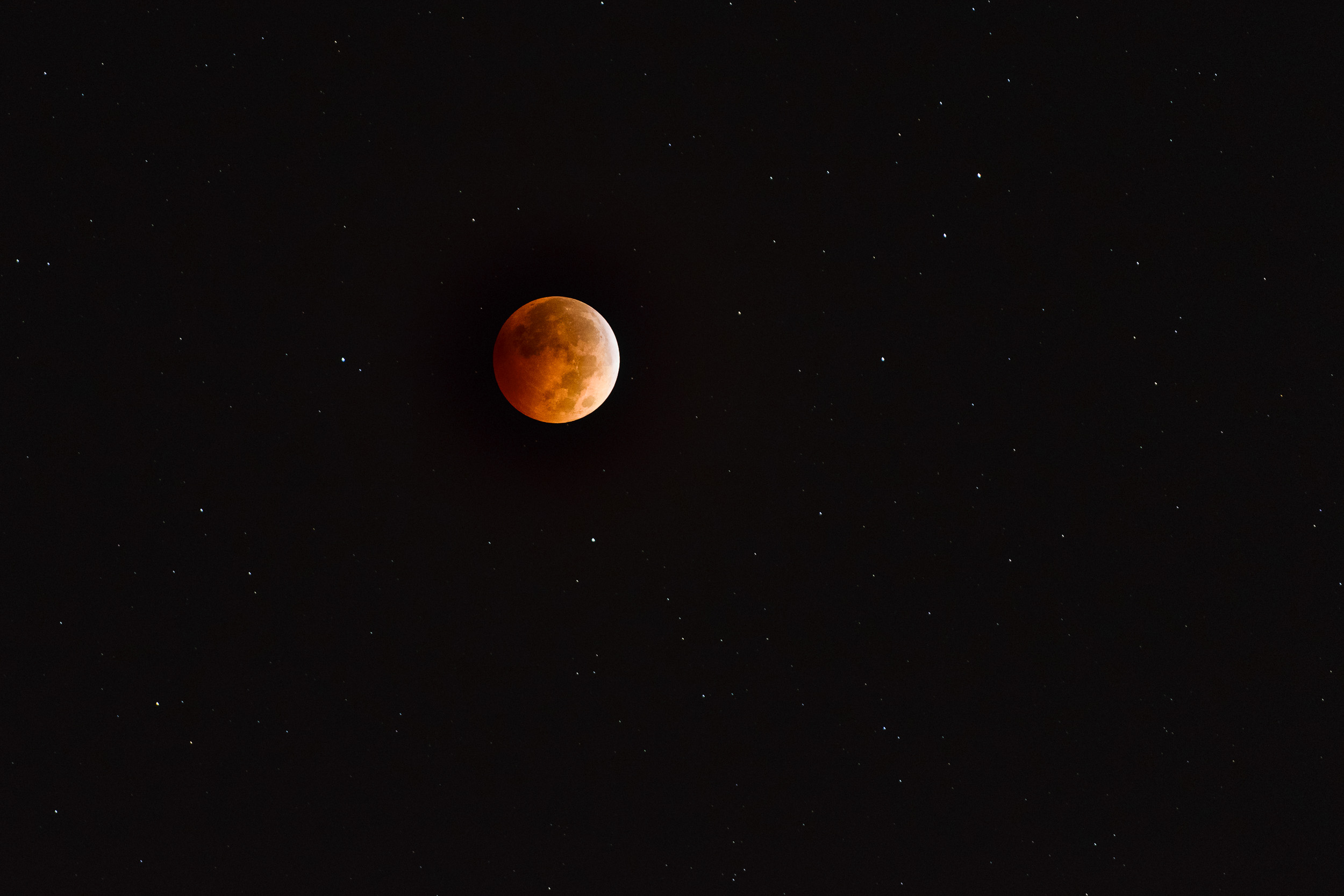
If a photograph is purely of the sky, and made using a relatively telephoto lens, then it is often called deep-sky astrophotography, or just astrophotography. Even far-away galaxies and nebulas can be photographed with an ordinary telephoto lens, however a dedicated telescope and tracking mount are traditionally used.
Related Articles to Astrophotography Definition

Sony Expands Full-Frame Lens Lineup With A New 20mm Ultra-Wide F1.8 Prime Lens

Lonely Speck’s PureNight Filter Cuts Through Light Pollution

Astrophotography Composite | The Nub in Assiniboine Provincial Park {How I Shot It}