Today, we continue my love-hate relationship with vlogging cameras. On the one hand, they’re literally perfect for vlogging. Obviously! On the other hand, however, they’re not the best choice for almost anything else that might require a viewfinder. On that note, here is our official Sony ZV-E10 ii review!
Spoiler alert: this camera is indeed one of the best choices on the market if you’re mainly a vlogger. It’s got everything you need, including the best array of vlogging lenses on the market. If you’re looking to step up from vlogging on a phone to creating high-quality, cinematic video, the Sony ZV-E10 II is our top choice.
On the other hand, without a viewfinder, it struggles to meet the demands of an all-around mirrorless camera like the Sony A6700. (The two camera bodies share a 26-megapixel sensor, by the way.)
Could it really be that simple? “If you’re a vlogger, buy this camera. If not, don’t…” …Let’s dive into this review and find out more!
Sony ZV-E10 II Specifications
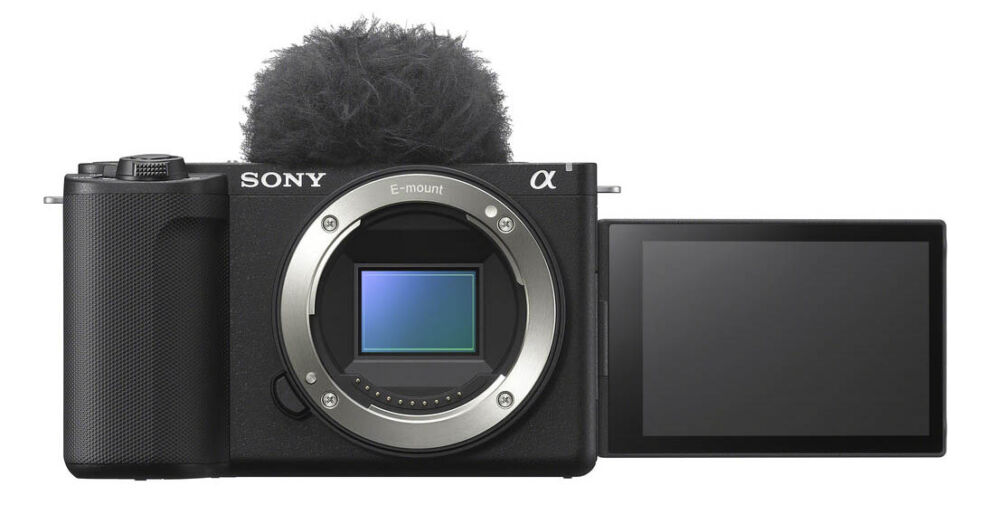
- SENSOR: 26-megapixel BSI CMOS “Exmor R” sensor (APSC, 1.5x crop)
- LENS MOUNT: Sony E (APSC, 1.5x crop)
- STILL IMAGES: 6192 x 4128 pixels (26 MP)
- VIDEO: 4K (3840 x 2160) 60p (with 1.1x crop, scaled from 5.6K)
H.265/XAVC HS 4:2:2/4:2:0 10-Bit
XAVC S-I 4:2:2 10-Bit
H.264/MPEG-4 AVC/XAVC S 4:2:2/4:2:0 8/10-Bit - AUDIO: Three-capsule microphone, automatic directional focus
- ISO: 100-32000 native, 50-102400 extended, 100-6400 Auto-ISO
- AUTOFOCUS: Hybrid AF, 759 phase-detect (photo) / 495 phase-detect (video) AF points
AI-trained subject detection & tracking (does not include dedicated AI processor) - SHOOTING SPEED (FPS): 11 fps stills
- SHUTTER SPEEDS: (All-electronic shutter) 30 sec to 1/8000 sec
- STABILIZATION: No mechanical “IBIS”, digital-only “active” stabilization (crop applied; video only)
- VIEWFINDER: None
- LCD: 3-inch, 1.03M dot articulated LCD touchscreen
- CONNECTIVITY: USB-C, mini HDMI, microphone & headphone sockets, wifi & bluetooth
- STORAGE: SD-XC UHS-II (x1)
- BATTERY: Sony NP-FZ100 battery (CIPA rated 610 still photos, 195 minutes video recording full HD)
- BODY CONSTRUCTION: metal & plastic, no weather sealing
- SIZE: 4.5 x 2.7 x 2.1″ (114.8 x 67.5 x 54.2 mm)
- WEIGHT: 13.3 oz (377g) w/ battery & SD card
- PRICE: $1098
Sony ZV-E10 II Review | Who Should Buy It?
Spoiler alert: the “V” in ZV-E10 stands for VLOGGING. Yes, it really is that simple; if you’re not primarily creating selfie-style content / imagery, then this camera likely isn’t for you. On the other hand, if you are indeed a vlogger, then this Sony ZV-E10 II is one of the absolute best choices on the market today.
We’ll briefly cover which exact style of (mostly video) content creation you might consider this camera for, but suffice to say, it’s all about pointing the camera at yourself…
Everyday Life Vlogging
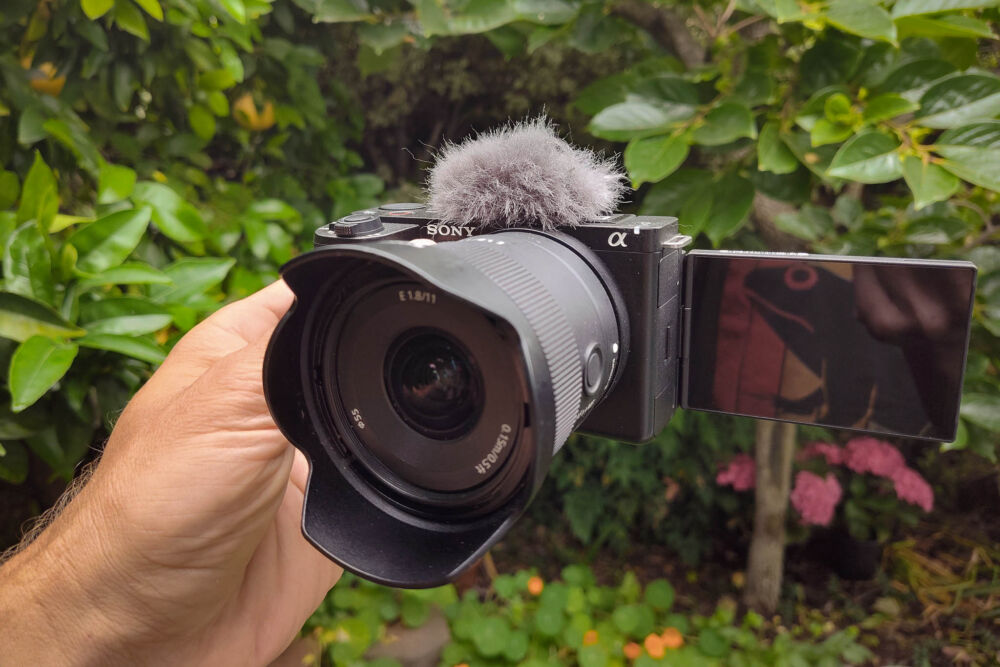
With its ultra-portable form-factor, and yet with its extra-large, all-day battery, the Sony ZV-E10 II is the perfect choice for any vlogger who wants the best all-around vlogging camera that they can take with them anywhere, every day.
Combined with the excellent, compact, affordable APSC lenses that range from simple primes like the Sony 15mm f/1.4 G, to the excellent zooms such as the Sony 10-20mm PZ, …and you truly do have the perfect kit that can take you from “total beginner” to “creative master”.
The only caveat I must mention is one that all vloggers probably already know about: without mechanical stabilization, (IBIS) …you’ll likely want to own a gimbal stabilizer for ultra-smooth video. Something like the Hohem iSteady MT2 is a good balance for most content creators; it’s decently portable & affordable, but also powerful enough to balance a mirrorless camera even if you attach a bigger, front-heavy lens.
Travel Vlogging

Doubling-down on the portability aspect of things, I love the Sony ZV-E10 II as a travel and adventure vlogging camera as well. Beyond everyday life, this is also the camera I’d take with me if I was (primarily a vlogger) going to far-off destinations, or just local in-state adventures here in California.
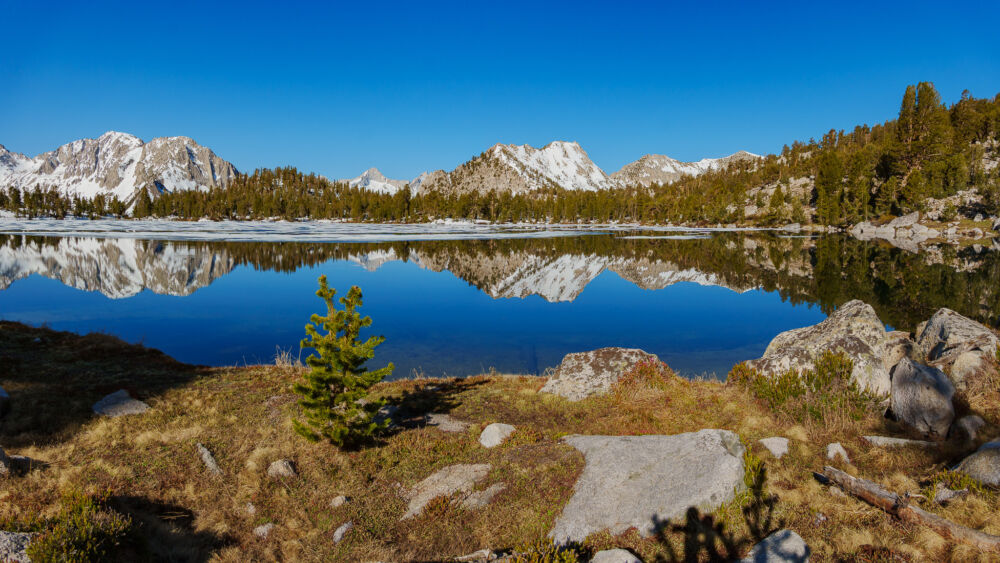
As a travel landscape photographer in particular, however, I do concede that the ZV-E10 II is more of a complement camera; I would still love to have a Sony R-series camera with me for those epic once-in-a-lifetime landscape scenes. (To be clear; I would probably still end up using the ZV-E10 II 75-90% of the time; the sensor is that good, even for landscape photography!)
The only major drawback for this category of content creators is the same as the everyday life one: no mechanical IBIS. If you’re doing a lot of hiking, road-tripping, etc, you might want to add a gimbal stabilizer to your kit, so that you can keep the full-sensor (almost) crop factor and its higher-quality video.
In-Studio Vlogging
If you’re working in a static, controlled environment, the lack of mechanical stabilization becomes a non-issue, and your decision to choose the ZV-E10 II gets even easier! Also, this “mark 2” generation camera continues offering the perks of its first-gen predecessor: things like both an audio and microphone socket, direct USB-PD power, and (micro) HDMI output. This means you’re making the right decision whether you’re just looking to keep it simple, or you’re looking to integrate a 2nd or 3rd camera into a high-end studio setup.
Professional Photography BTS Vlogging
Next, let’s consider everyone who is still primarily a photographer or videographer, but who is looking to create BTS footage. Maybe you’re a professional portrait photographer or wedding videographer, and you’re creating additional content to directly promote your business, or you’re creating valuable educational content. Maybe you’re a landscape photographer with a popular Youtube channel!
Either way, you probably don’t want to tie up your primary (full-frame?) camera every time you wish to grab some more BTS footage. Even if you’re a two-camera pro, in my opinion it’s just annoying to juggle very different tasks/duties with the same cameras.
With that in mind, the Sony ZV-E10 II is a perfect compromise: You can keep it separate and dedicated, especially with a dedicated vlogging / BTS lens such as the Sony 15mm f/1.4 G or the Sony 10-20mm f/4 PZ. However, on select occasions, you can also throw on a more exotic lens such as the Sony 50mm f/1.2 GMaster, if you so desire.
By comparison, if your professional BTS kit were the Sony ZV-1 II, a point-and-shoot sized vlogging camera with an 18-50mm (equivalent) lens, then yes, you’d save even more on space & weight, but you’d also be making substantial compromises on both sensor size and lens versatility.
Cinematic Movie-Making BTS Vlogging
All of the previous advice remains relevant if you’re looking to make movies, or any sort of cinematic content, and you require a BTS or 2nd/3rd camera setup. For professional work in general, one thing that is very important is interface synchronicity, and general performance reliability. It’s hard to quantify, but simply put, it saves you a ton of headache if all your gear has roughly the same interface, residing within the same ecosystem.
It’s not just about being able to swap lenses; indeed, it’s so much more. Having the same autofocus system/interface, having roughly the same menu layout, and (to some extent) similar physical controls, …all of this adds up and makes a huge difference.
So, here’s my conclusion: Even if your primary video camera (or just your dream camera) is a Sony FX3 or FX30, this ZV-series camera makes an excellent addition to your kit.
Sony ZV-E10 II Review | Pros & Cons
Video Quality
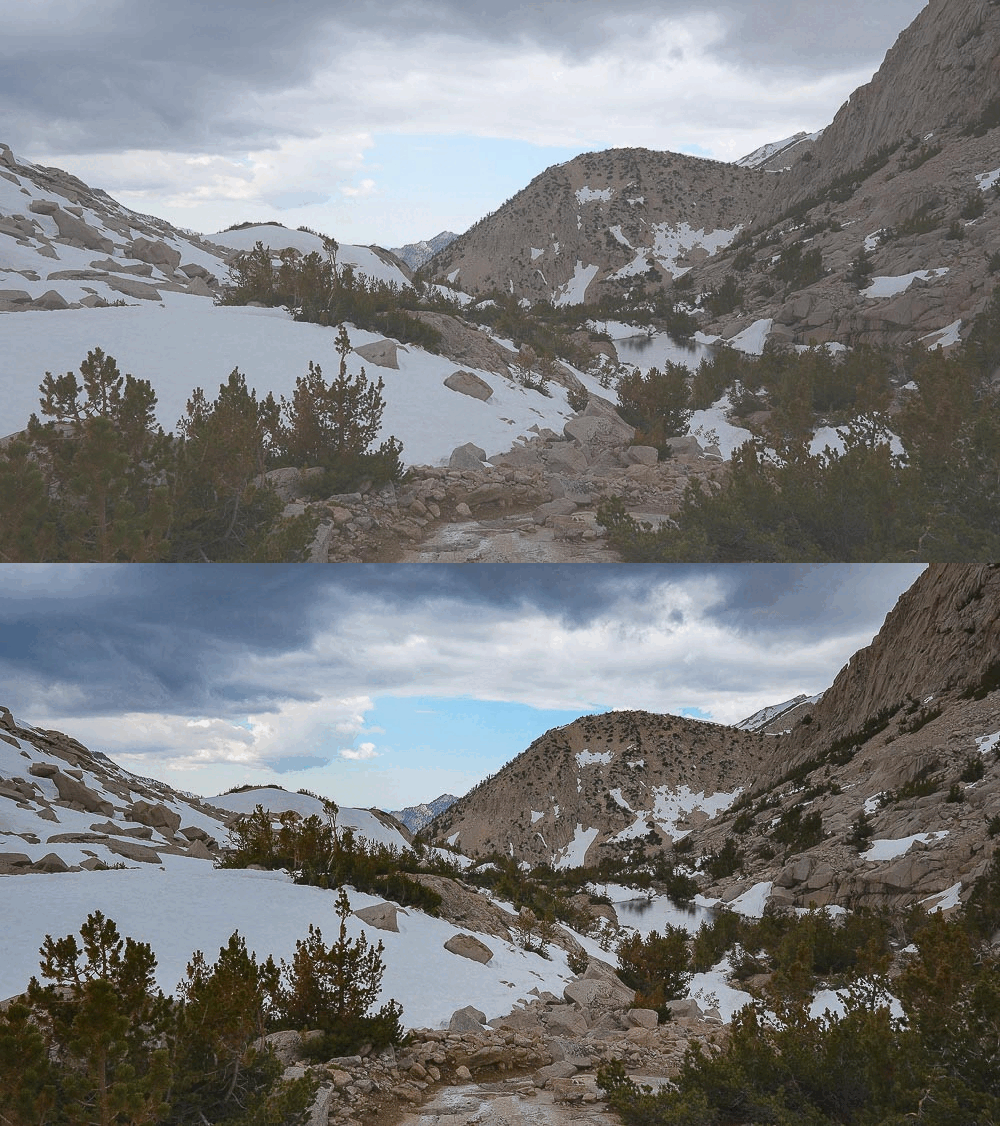
Compared to its predecessor, the Sony ZV-E10, the ZV-E10 II is quite a leap forward. Not only does video quality jump to 4K 60p, it also loses most of the crop factor; a mere 1.1x crop is applied for UHD/60 recording. Oh, and the 4K/30p recording has no crop whatsoever, which was a 1.23x crop on the predecessor.
There’s also the jump to 10-bit video from 8-bit, which is particularly beneficial for those who are looking to perform color grading on Log footage. Lastly, keep in mind that this 4K video is actually coming from either 6K or 5.6K actual video, thanks to that 26-megapixel sensor.
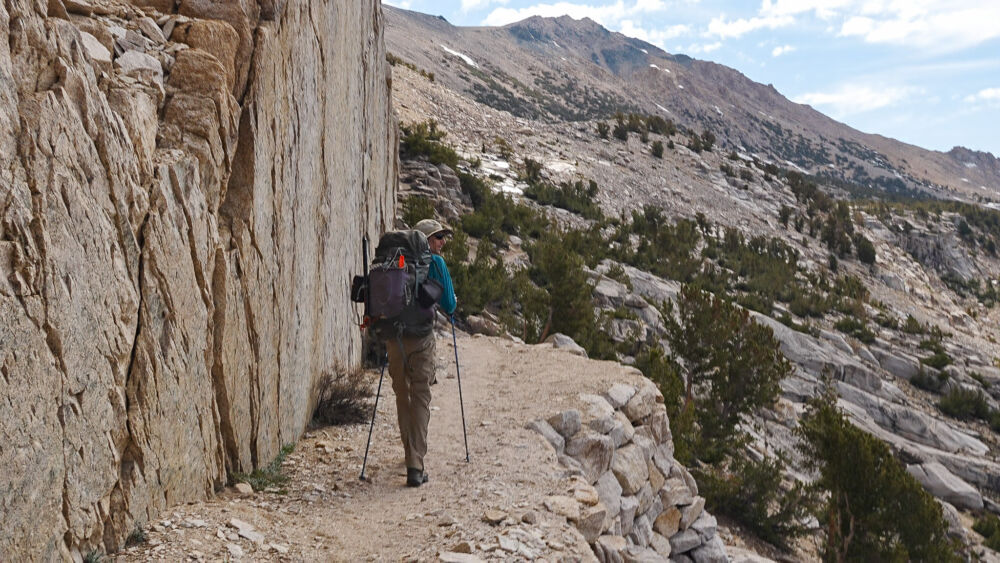
Speaking of the sensor, here’s another perk: since it’s a much faster sensor overall, you gain the huge benefit of significantly less rolling shutter effect. This is very important for on-the-go vloggers who are likely to be doing a lot of active content creation, especially in urban settings with a lot of straight, vertical lines, potentially.
Lastly, the various color profiles, or LUTs, or S-Log 3 settings, whatever you prefer to use, …how edit-able are the video files? In my experience, the quality is incredible whether you’re looking to get colorful, clear video without any editing, or you’re looking to capture “flat” original clips and then color grade them. The latter will of course require some mastery of the in-camera settings, and finding what works for you, but the results are indeed stunning. I am particularly impressed by the dynamic range. Below you will find my “secret recipe” for the best balance of in-camera and color-graded footage:
Instead of using a Sony Picture Profile, I opt to switch back and forth between Sony’s “Creative Looks”. When I want in-camera perfection without any editing required, I use “VV2” to balance saturated colors and good contrast but also decent dynamic range. When I know a scene is too high-contrast to try achieving perfection in-camera, I switch to “SH” which reveals an incredible amount of shadow detail, and only requires a simple curve adjustment to color grade.


All in all, the bottom line is that videos from this camera are incredibly detailed, sharp, and of course vibrant and colorful. Whether your content creator style is to pick an in-camera Creative Look and just upload straight to social media, or you’re looking to color-grade all your footage in a high-end program such as DaVinci Resolve, …either way the Sony ZV-E10 II is an excellent choice in terms of video quality.
Image Quality (Stills)

Keep in mind, of course, that this camera’s sensor is indeed “identical” to that in the Sony A6700. (I put “identical” in quotes because I’m too lazy to dig really deep into the nuances of chip readout circuitry, and the processing that is attached to the sensor’s AF system, etc.)
If you’ll recall, I already titled the A6700 as the ultimate adventure landscape photography camera, and I was truly impressed with its image quality for both stills and video. So, suffice to say, the ZV-E10 II offers great raw stills, for those of you who are looking to capture both stills and video with this camera.
The dynamic range is incredible, and the high ISO performance is truly impressive. I wouldn’t hesitate to use this sensor for all manner of landscape photography, if I was on a serious weight budget for a backpacking trip in Patagonia or New Zealand… Indeed, the resolution is excellent; ~26 megapixels is around the sweet spot for APSC sensors, in my opinion, when it comes to avoiding diffraction and still having enough versatility of aperture choices.
Keep in mind, however, my one caveat: If you’re very serious about stills, indeed if you do more stills than vlog-style video, …I strongly recommend the A6700 instead.
Build Quality / Durability
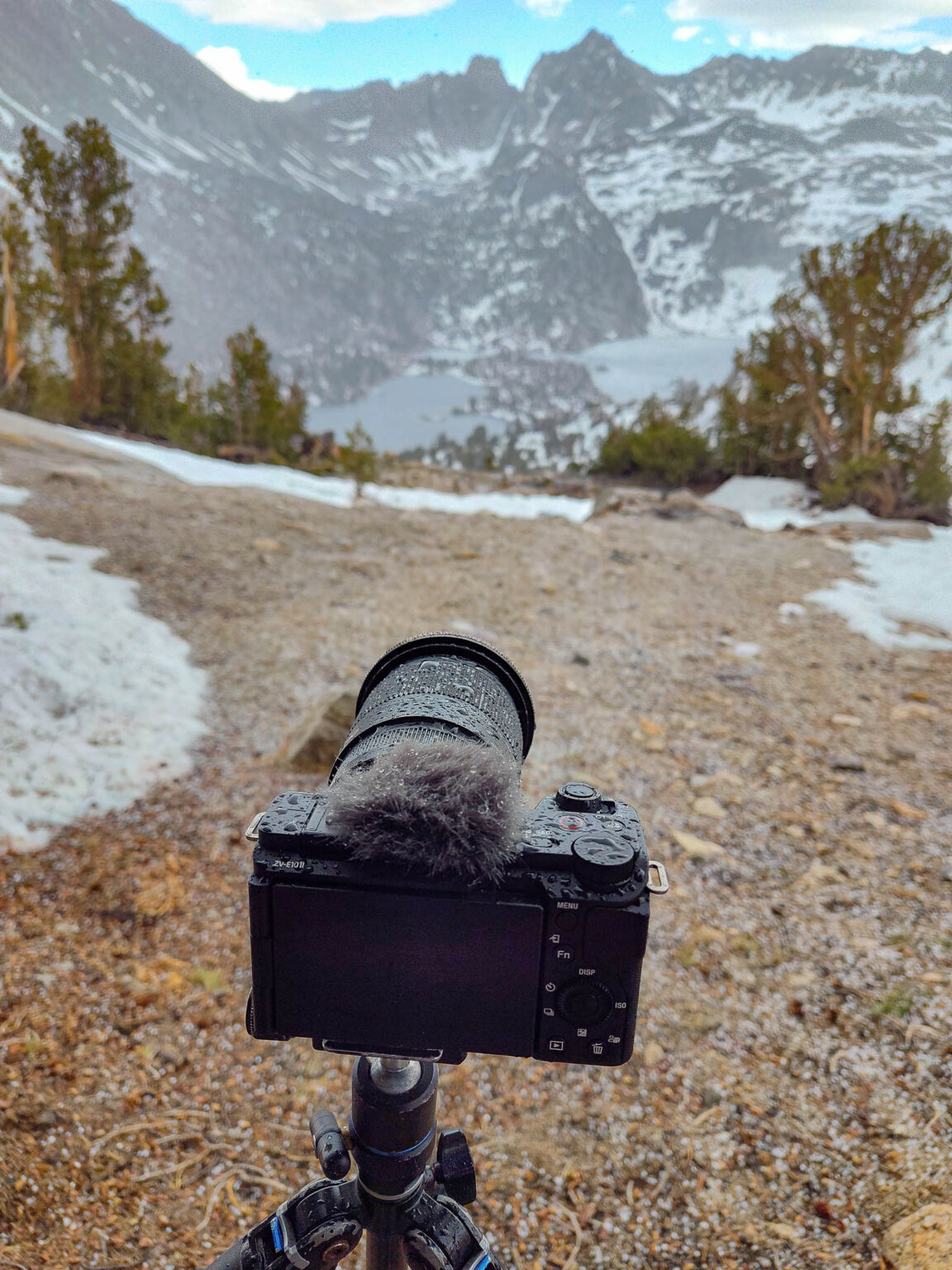
Physically, the ZV-E10 II is a delight to handle. It’s ultra-portable, and yet, it feels quite ruggedly built. There is no weather sealing, but honestly I’ve taken so many different cameras out into the elements, I am merely “a little more careful” when it starts raining, or in a sandstorm, and it’s usually okay.
I really appreciate the balance of size, weight, and the inclusion of the bigger NP-FZ100 battery. The body itself does have some serious limitations, but we’ll get to those later…
Autofocus Performance
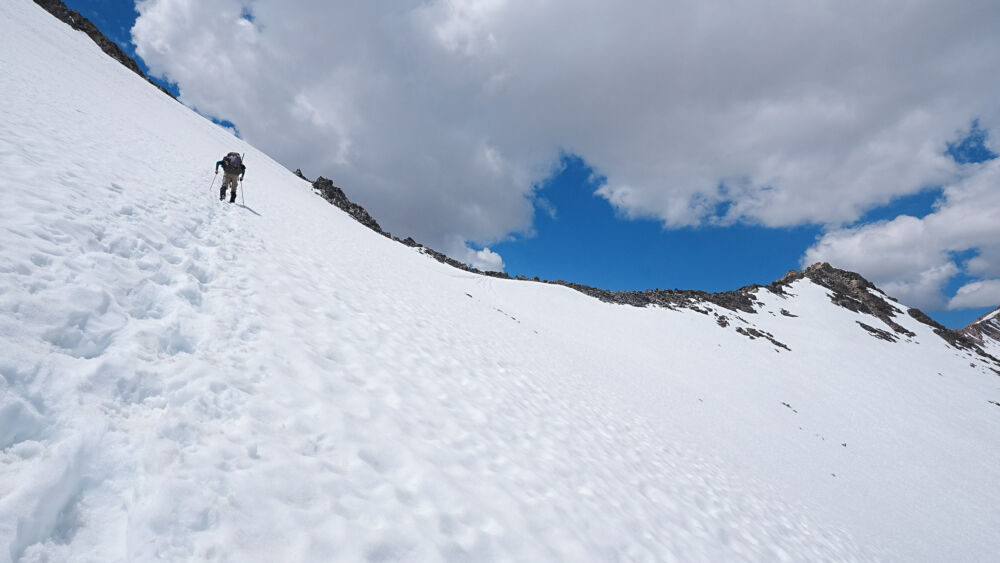
Autofocus is one of the highlights of any Sony camera, and the ZV-E10 II is indeed a reliable performer. Despite not including the AI processor that is dedicated to subject detection/tracking, it does have the AI-based training which allows its AF system to really stick like glue to almost any subject.
The Real-Time tracking is simply the best continuous AF tracking system on the market, both in terms of the actual results and the interface.
The only thing I wish this camera had is the “Auto Framing” mode, which would have been awesome for solo vloggers. Sony’s “Auto Framing” system is highly useful, with its ability to create dynamic, subject-following video panning out of a static camera angle.
Overall Performance
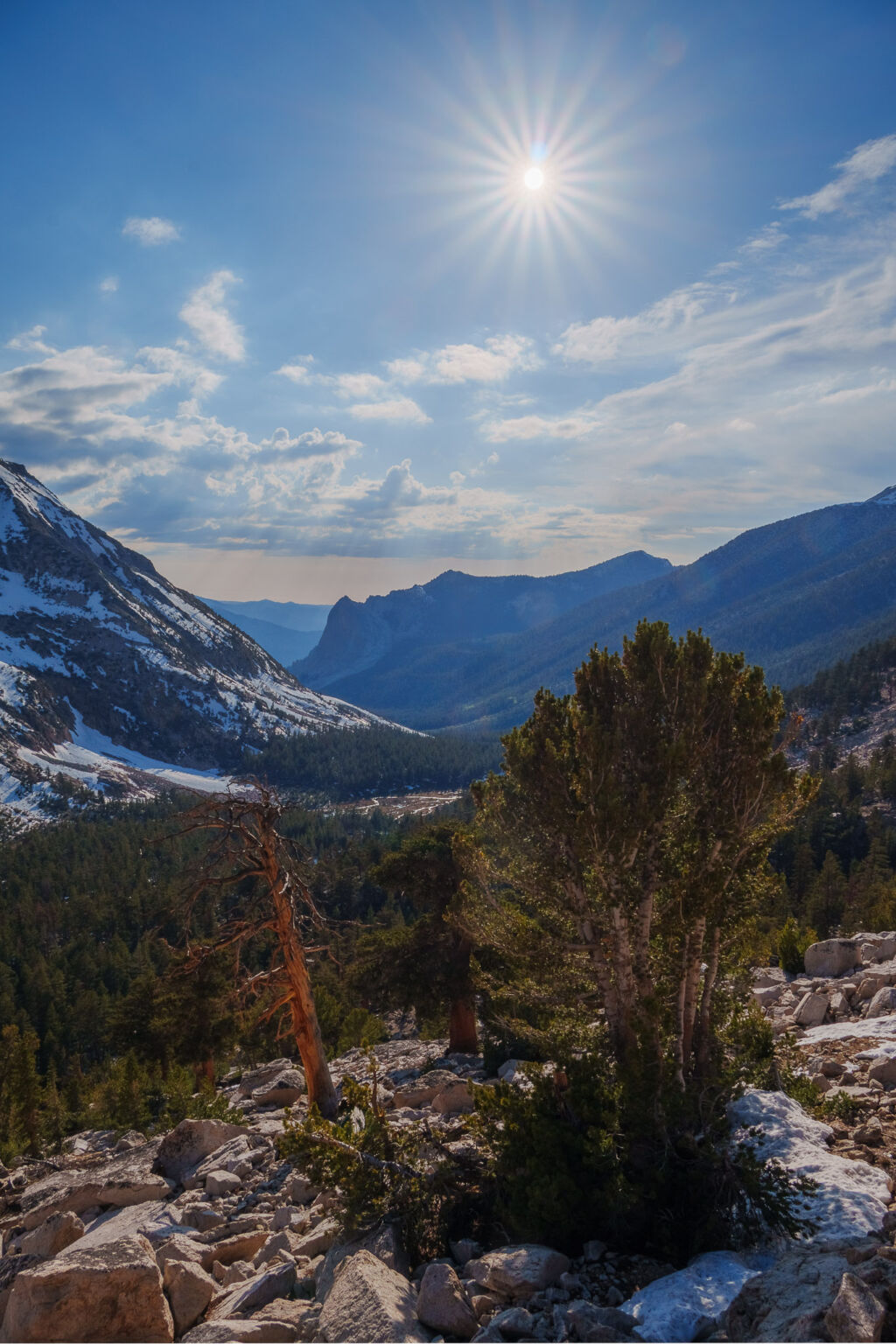
All in all, the ZV-E10 II is very clearly dedicated to vlogging, and vlogging alone. The stills FPS max out at 11 fps, and there’s no mechanical shutter which carries a small assortment of minor quirks. But mainly, of course, there’s the glaring omission: no viewfinder. For this reason, I keep coming back to this very straightforward statement:
If you’re mostly pointing this camera at yourself, the overall performance is par-excellence. If you’re mostly pointing the camera elsewhere besides “selfie” framing, however, there are better choices to be had.
Features, Customizations, & Ergonomics
Here is where I get to nit-pick a little bit more, aside from my repetitive complaint about the missing viewfinder: The ZV-E10 II, like most vlogging cameras, has been optimized for lightweight portability. (For good reason! Holding any camera out at arms length, especially on a gimbal, takes immense arm strength…)
Unfortunately, this comes with additional drawbacks. Namely, the buttons & dials are a bit less abundant than I would prefer, and there is no mechanical IBIS on the sensor. Both of these can lead to some mind frustration, for anyone who is used to an A-series camera that has abundant command dials, customizable buttons, and of course sensor-based stabilization that allows for both stills and video to be steadied. (And without any additional video cropping, either!)
Honestly, though? A vlogger who is mostly using a gimbal is not going to care about these drawbacks. They’re going to appreciate how lightweight the body is, and how video-focused the controls and customizations are overall.
Even if you do find yourself hand-holding this camera, by the way, you’ll likely appreciate that larger battery even more; it adds much-needed gripping surface area compared to all the NEX-style predecessors that used the smaller battery.
Value
Despite the recent slight increases in price, the Sony ZV-E10 II is still one of the best deals on the market in terms of its price-to-performance ratio. At just around $1.1K without a lens, or around $1.2K with the most basic kit lens, you’re gaining access to one of the most professional systems available to vloggers.
Personally, I’d pair the ZV-E10 II with either the Sony E 10-20mm f/4 PZ G, for adventure & travel vlogging in general, or the Sony E 15mm f/1.4 G, for its incredible background blur capabilities in more cluttered, urban/home everyday environments. (Both lenses cost the same; ~$850.)
Sony ZV-E10 II Review | Compared To The Competition
Within the last few years, we have seen a shocking number of dedicated vlogging cameras hitting the market! The Sony “ZV” series has been steadily growing for over half a decade now, starting with the original ZV-1. Other brands have also entered the fray, albeit very recently. With that in mind, I’ll categorize my “alternative choices” into three groups: the other Sony ZV type cameras, the other Sony cameras in general, and the other brand competitors…
When it comes to the ZV range of cameras, the Sony ZV-E10 II is a perfect balance. That is to say, in my harshest, admittedly exaggerated opinion, the full-frame Sony ZV-E1 is a bit overkill for “just vlogging”, and the point-and-shoot Sony ZV-1 is more of a beginner-oriented vlogging camera with its “tiny” sensor and fixed (18-50mm zoom) lens. So, if you’re interested in vlogging, this is my top recommendation in the Sony ZV category.
What about other Sony cameras, though? If you’re not a vlogger, and you’re just looking for a B-roll or BTS camera, then once again I believe this APSC format ZV-10 II is a perfect complement to the Sony FX-Series of video cameras.
Having said that, things do get complicated if you’re doing both stills and video, (the FX series also has no viewfinders) …and downright problematic if you’re doing mainly stills. With that being said, I’ll keep this very simple: If you’re looking for a lightweight but “ultimate” camera that can do both stills and video, check out the Sony A7CR for its “big print landscape photography” resolution, or check out the Sony A7 IV for it’s all-around balance of performance, image quality, and flagship-style controls, without breaking the bank.
Or, as I’ve mentioned already, check out the Sony A6700 if you’re trying to find that travel/adventure camera without the heft and size of full-frame.
Finally, other brands have just begun to offer vlogging-oriented competition. Nikon has the Z30, Canon has the R50 V, and Fujifilm has the X-M5. Here’s everything you need to know in a nutshell: The Sony ZV-E10 II is the most expensive of the bunch, and for good reason. It has the best 4K video specs, the lowest rolling shutter, and a handful of other perks.
Also, keep in mind that lens selection plays a huge rule in any mirrorless camera system investment. Unfortunately, the simple truth is that all the other brands just don’t have as many lenses that are “perfect” for vlogging. Both in terms of ultra-portable zooms, and fast-aperture primes, Sony’s E-mount wins by a significant margin when it comes to vlogging in particular. (Check out the two lenses I mentioned above in the “Value” section!)
Sony ZV-E10 II Review | Conclusion
In the end, it really is this simple: This is the best mirrorless camera on the market for vlogging. The balance of portability, affordability, and performance are right in that sweet spot, especially if you’re also making the investment in (and carrying around the weight of) a gimbal. The results are beautiful, making a tempting offer for both beginners and serious pros alike.
Having said that, it’s definitely “just” a vlogging camera. Personally, as an all-around photographer and content creator, I would opt for the Sony A6700 instead. The jump in price is not that much, (currently around $400 more) …and there isn’t even that much lost in terms of perks specifically beneficial to vloggers!
So, there you have it, folks. I’m not a full-time vlogger, but I do love creating all sorts of content, from family vacations to wilderness backpacking trips. The ZV-E10 II may not be perfect for me, but it is likely perfect for many other content creators out there.
Check Pricing & Availability
The Sony ZV-E10 II is available starting at $1098 for just the body. For $100 more you can get a kit with the modest 16-50mm zoom lens, or for ~$850 more you can get a kit with the excellent 10-20mm PZ. Sony has quite a few other kits available, too, but those are my top recommendations.