Moving to a new city throws everything off balance. The streets feel foreign, the rhythms are unfamiliar, and even simple tasks like finding a decent coffee shop require actual effort. It takes time to build the mental map that transforms “somewhere new” into “home.”
But here’s something most photographers discover by accident: picking up your camera accelerates that process. Street photography forces you to slow down, look closer, and actually engage with your surroundings instead of just passing through them.
This guide covers how to use street photography as a tool for connecting with an unfamiliar city. We’ll look at gear choices that keep you mobile, techniques that sharpen your creative eye, and approaches that turn aimless wandering into meaningful visual work.
Street Photography in a New City: At a Glance
Here’s what we’ll cover to help you use photography as a way to feel at home faster:
- Pack Light, Blend In – Gear choices for staying mobile and unobtrusive
- Walk the Same Streets, See Something New – Why repetition sharpens your eye
- Reimagine the Landmarks – Creative challenges at tourist spots
- Your Camera as a Daily Companion – Journaling your new life through images
- Street Photography Settings Quick Reference – Technical foundation for shooting on the move
- Frequently Asked Questions – Common questions about street photography
Pack Light, Blend In
Street photography rewards mobility. The more gear you carry, the slower you move, the faster you fatigue, and the more you stand out. When you’re still learning a city’s layout, the last thing you need is a heavy bag anchoring you to one spot while you catch your breath. One trick to unpack and settle in faster is to give yourself a reason to explore with minimal friction, and a lightweight camera setup removes one more barrier between you and the streets.
Camera Body: Small and Unobtrusive
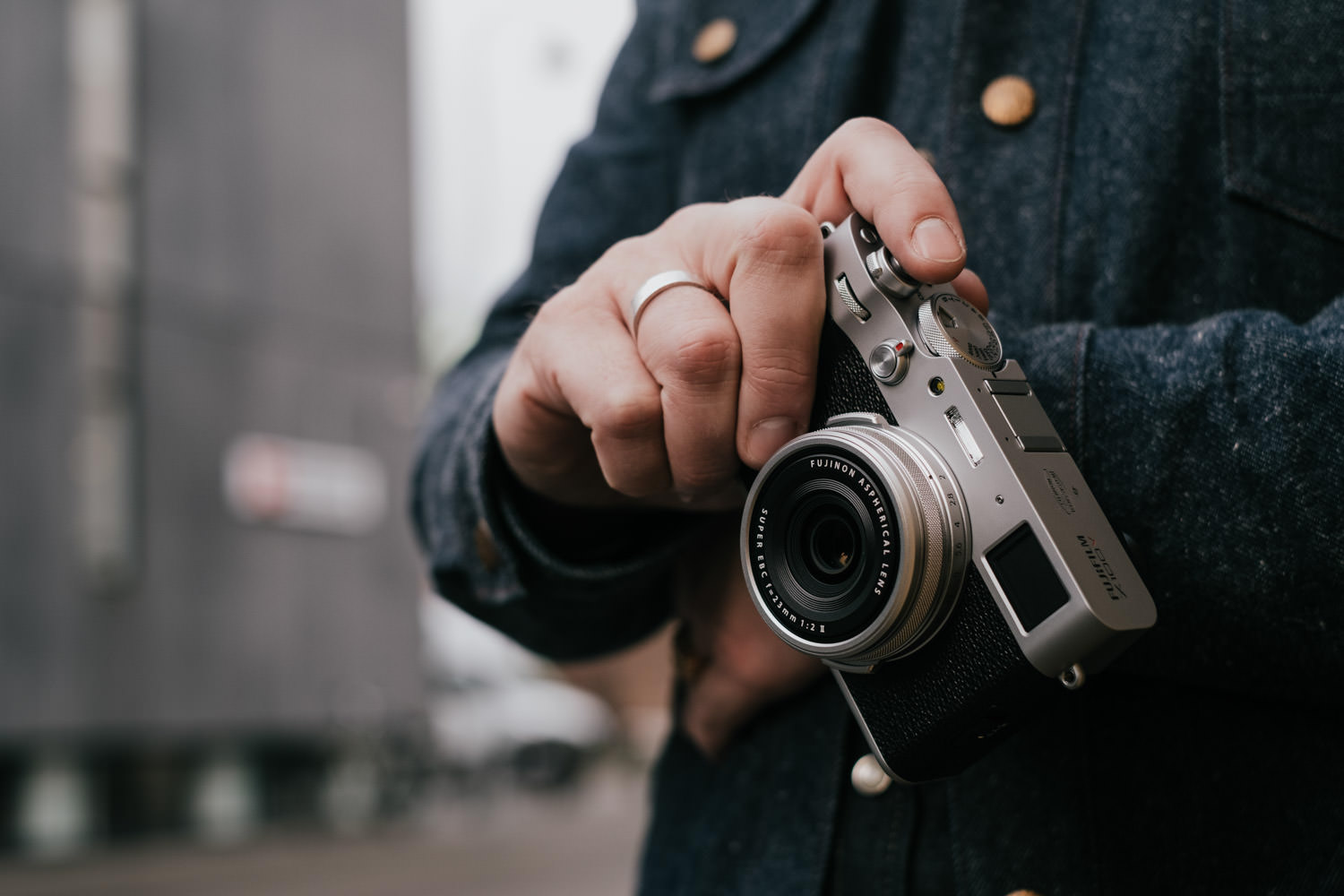
A compact mirrorless body hits the sweet spot for urban work. Full-frame options like the Sony A7C series or Nikon Zf offer excellent image quality in a smaller form factor. If you prefer APS-C, the Fujifilm X100 series has become something of a street photography icon for good reason. The goal is a camera you can carry all day without thinking about it, one that doesn’t scream “professional photographer” to everyone around you.
Large DSLRs with battery grips work fine for planned shoots, but they change the dynamic when you’re walking unfamiliar streets. People notice you. They alter their behavior. You become a presence rather than an observer.
Lens: One Versatile Option
Resist the urge to pack multiple lenses. A single focal length forces you to work within constraints, and constraints breed creativity. The classic street photography choices are 35mm or 50mm primes. A 35mm gives you environmental context and works well in tighter spaces. A 50mm feels more natural to the human eye and provides slight compression that flatters urban scenes.
If you prefer zoom flexibility, a 24-70mm f/4 keeps the weight reasonable while covering most situations. Just be aware that zooms encourage lazy composition. When you can’t zoom, you move your feet, and moving your feet means engaging more directly with the environment.
Leave the Lighting Gear at Home
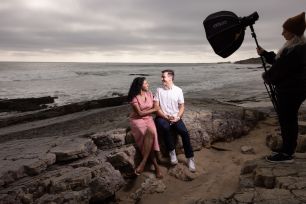
Street photography is an available light discipline. Flashes, reflectors, and lighting modifiers have no place in this work. They slow you down, draw attention, and fundamentally change the nature of what you’re doing. Part of the challenge, and the reward, is learning to see and work with whatever light the city gives you.
A Bag That Disappears

Your bag matters more than most photographers realize. A good urban backpack like the Peak Design Everyday Backpack lets you access gear quickly without swinging a messenger bag around to your front every two minutes. It also looks like a regular backpack, which helps you blend in. Tourists and obvious photographers get different treatment than locals going about their day. The more you look like the latter, the more authentic your images become.
Walk the Same Streets, See Something New
There’s a temptation when you’re new somewhere to cover as much ground as possible. Different neighborhood every day, constant exploration, always seeking the next undiscovered corner. This approach has its place, but it’s not how you develop a deep visual understanding of where you live.

The more often you walk or travel the same paths and notice the features along the way, the faster your brain encodes that spatial information into memory. This isn’t just about navigation. When you stop having to think about where you are, you free up mental bandwidth to notice what’s actually happening around you.
Why Repetition Sharpens Your Eye
The first time you walk down a street, everything competes for attention. Storefronts, signage, people, vehicles, architectural details. Your brain is in mapping mode, trying to build a basic understanding of the space. Photography at this stage tends toward the obvious: wide establishing shots, landmark documentation, surface-level observations.
Return to that same street a week later and something shifts. The novelty has worn off, which sounds like a loss but is actually a gift. Now you notice the way morning light cuts between two buildings at a specific angle. You see the elderly man who sits at the same cafe table every day. You catch the pattern of shadows that only appears when the sun reaches a certain position.
This is when street photography gets interesting. You’re no longer documenting a place. You’re revealing what makes it alive.
The 10-Minute Walk Challenge
Pick a starting point near your new home. Set a timer for ten minutes and walk in one direction with your camera ready. Don’t plan a route. Just move and observe. When the timer goes off, turn around and walk back, still shooting.
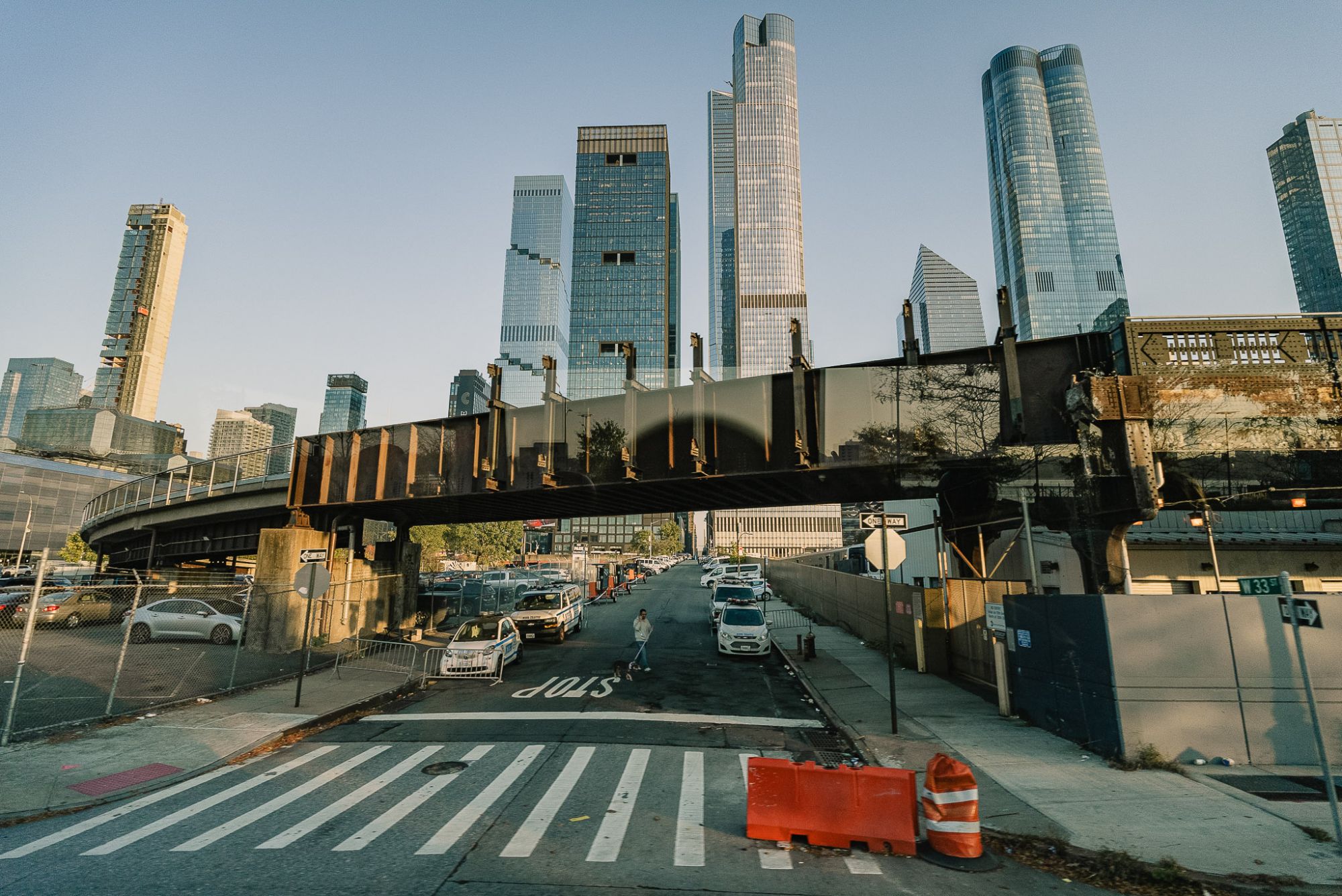
Repeat this walk regularly, but add a creative constraint each time:
- Shadows only: Look for interesting shadow patterns, silhouettes, and the interplay between light and dark
- Color themes: Limit yourself to images featuring a single dominant color
- Human elements: Every frame must include a person, even if just a hand or shadow
- Reflections: Hunt for mirrors, windows, puddles, and polished surfaces
- Details only: No wide shots allowed. Fill the frame with textures and small moments
Over weeks and months, these walks build a visual archive of your immediate surroundings. More importantly, they train you to find photographs in places you might otherwise walk past without a second glance.
Reimagine the Landmarks
You’re going to visit the famous spots anyway. Everyone does when they move somewhere new. The Golden Gate Bridge, Times Square, the Eiffel Tower, whatever defines your particular city. These locations present a creative challenge worth embracing: how do you photograph something that’s been photographed millions of times?
The postcard shot exists for a reason. It’s usually the most obvious view, the one that reads clearly at a glance. Your job isn’t to pretend that view doesn’t exist. It’s to find what else is there.
Foreground Framing
Most tourist shots place the landmark dead center with nothing between camera and subject. Fight this instinct. Look for environmental elements that can frame your composition: tree branches, architectural details, doorways, fences, even other people. These foreground elements add depth, create visual layers, and give viewers a sense of being in the space rather than looking at a flat representation of it.
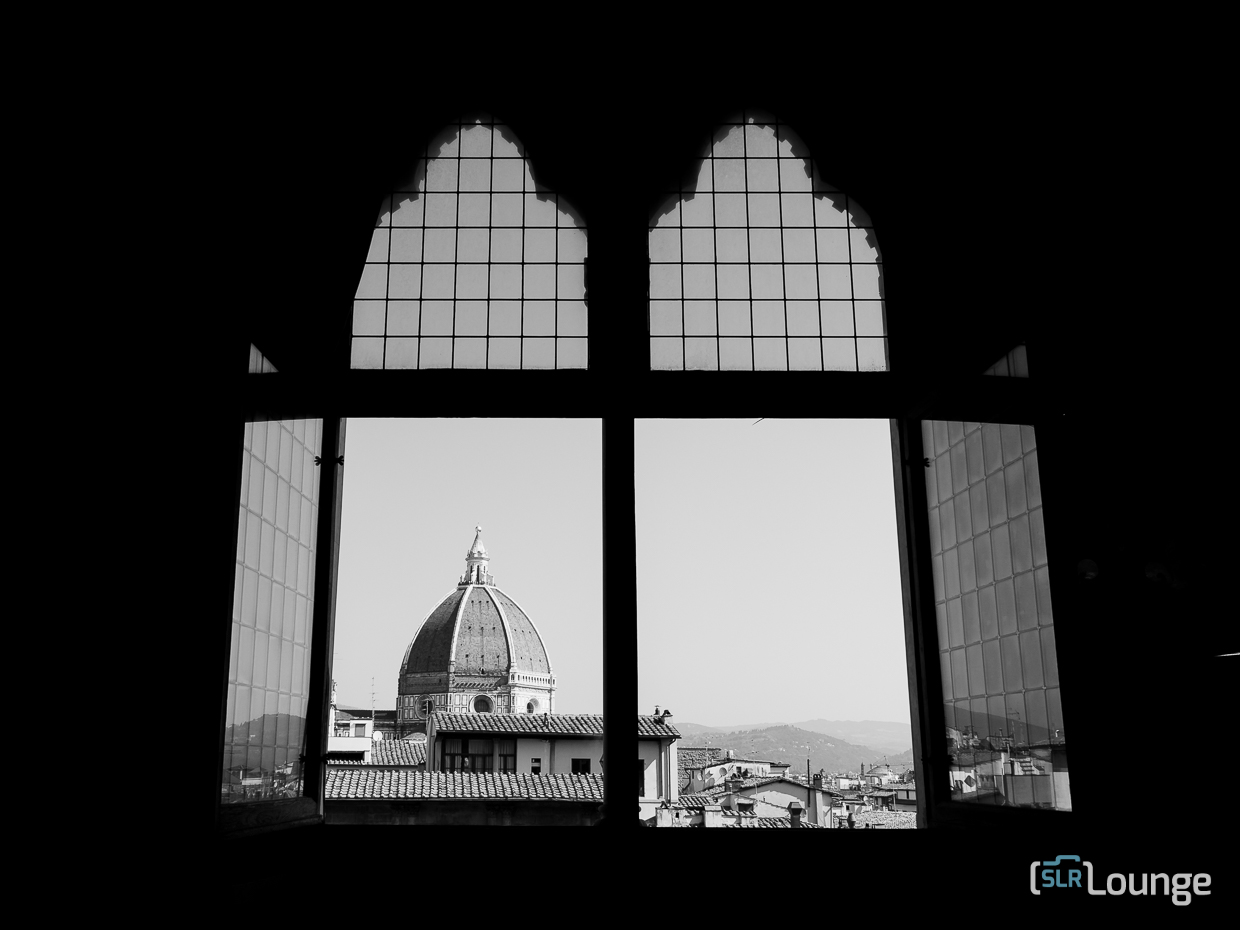
Technically, this often means stopping down to f/8 or f/11 to keep both foreground and background reasonably sharp. Alternatively, shoot wide open to render the landmark as a soft backdrop behind a sharp foreground subject.
Leading Lines
Every landmark sits within a larger environment. Roads lead toward it. Railings point at it. Rows of trees or lampposts create perspective lines that draw the eye. Your task is to find angles that use these existing lines to create visual flow.
This usually means moving away from the designated “viewing spot” where everyone clusters. Walk around. Look back. Find the approach angle that photographers in a hurry don’t bother to seek out.

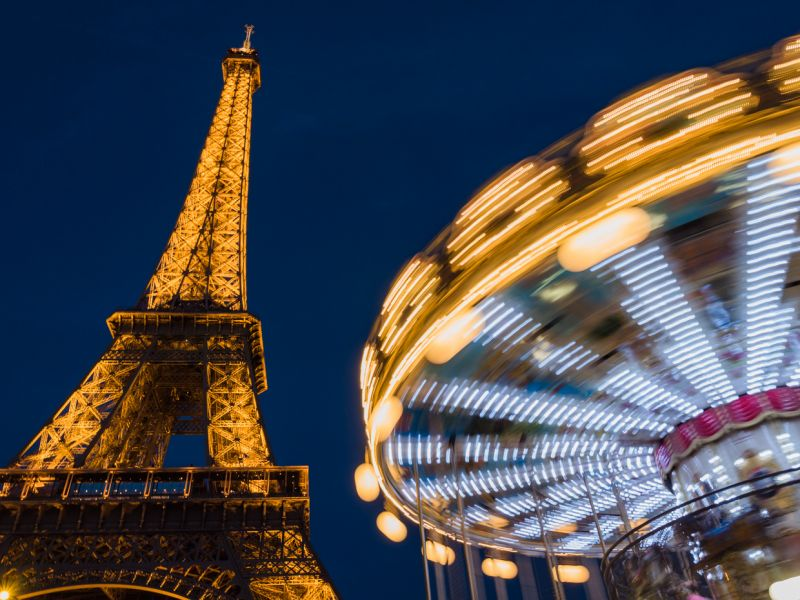
Motion Blur for Energy
Landmarks attract crowds, and crowds create energy. A slow shutter speed transforms that crowd into a blur of movement while keeping the static landmark sharp. The technique requires a tripod or stable surface and works best during twilight when you can naturally achieve longer exposures.
Start around 1/15th of a second and experiment from there. At this speed, walking pedestrians blur noticeably while anyone standing still remains relatively sharp. For more dramatic blur, extend to one second or longer. You’ll need an ND filter during daylight hours to achieve these speeds without overexposure.
The Overlooked Details
Zoom past the obvious and find the textures, patterns, and small moments that most visitors ignore. The weathered bronze of a statue’s hand. The geometric pattern of a building’s facade. The way light filters through a specific architectural detail at a certain time of day.
These detail shots might not read as “landmark photography” to most viewers, but they reveal something more personal about your experience of the place. They show what caught your eye when everyone else was taking the same wide shot.
Your Camera as a Daily Companion
Moving somewhere new can be lonely. Your established routines are gone. The people who knew you, your regular spots, your comfortable rhythms, all of it stayed behind. Building a new life takes time, and there’s an in-between period where the days can feel shapeless.

Your camera can serve as a companion during this transition. Not as a substitute for human connection, but as a reason to get out of your apartment and engage with the world even when you don’t feel like it.
Document the Mundane
The coffee shop where you’re becoming a regular. The grocery store with the produce section that catches afternoon light in an interesting way. The museum you visited on a Wednesday when you didn’t know what else to do. The laundromat. The bus stop. The takeout place.

None of these seem photographically significant in the moment. But they’re the building blocks of your new daily life, and photographing them does two things. First, it gives you a creative challenge: how do you make an ordinary moment visually interesting? Second, it creates a documentary record of this transitional period that you’ll value later.
Combat Homesickness Through Creation
Homesickness feeds on passive consumption. Scrolling through social media, seeing what your old friends are doing, mentally comparing your current situation to what you left behind. Photography pulls you in the opposite direction. It requires active engagement with where you actually are.
When you’re looking for photographs, you’re looking for what’s interesting about your current environment rather than dwelling on what’s missing. This isn’t about forcing positivity or pretending the transition is easy. It’s about redirecting your attention toward something constructive.

Building Proof That You Belong
Over time, your growing collection of images becomes evidence of a life being built. You can scroll back and see the first time you visited what’s now your favorite park. The awkward early photos of your apartment before you figured out how to make it feel like home. The gradual shift from tourist gaze to local perspective.
These images aren’t for anyone else. They’re for you, proof that you showed up, engaged, and slowly made this unfamiliar place your own.
Conclusion
Street photography isn’t just about the images you create. It’s about the practice of paying attention. Every time you raise your camera, you’re making a decision about what matters, what’s worth preserving, what deserves a second look. That habit of intentional seeing changes how you move through the world.
A new city becomes familiar not simply because time passes, but because you engage with it. You learn its light. You recognize its rhythms. You notice when something changes because you’ve been watching all along.
The photos you take during this transition will mean more to you than almost anything else in your archive. Not because they’re technically perfect or particularly artistic, but because they document something real: the process of turning a strange place into home. That’s worth picking up your camera for.