A photo studio isn’t just a place to take pictures; it’s part of your brand. The design, layout, and atmosphere shape how clients feel the moment they arrive, and they also affect how smoothly you and your team can work. Subtle choices in organization, lighting, and décor can boost productivity, reduce stress, and even inspire creativity. On the other hand, a cluttered or poorly planned space slows everything down and leaves the wrong impression. In this article, we’ll explore how to create a modern studio that blends aesthetics with functionality, supporting both your artistry and your business.
The Foundation: Infrastructure and Workflow
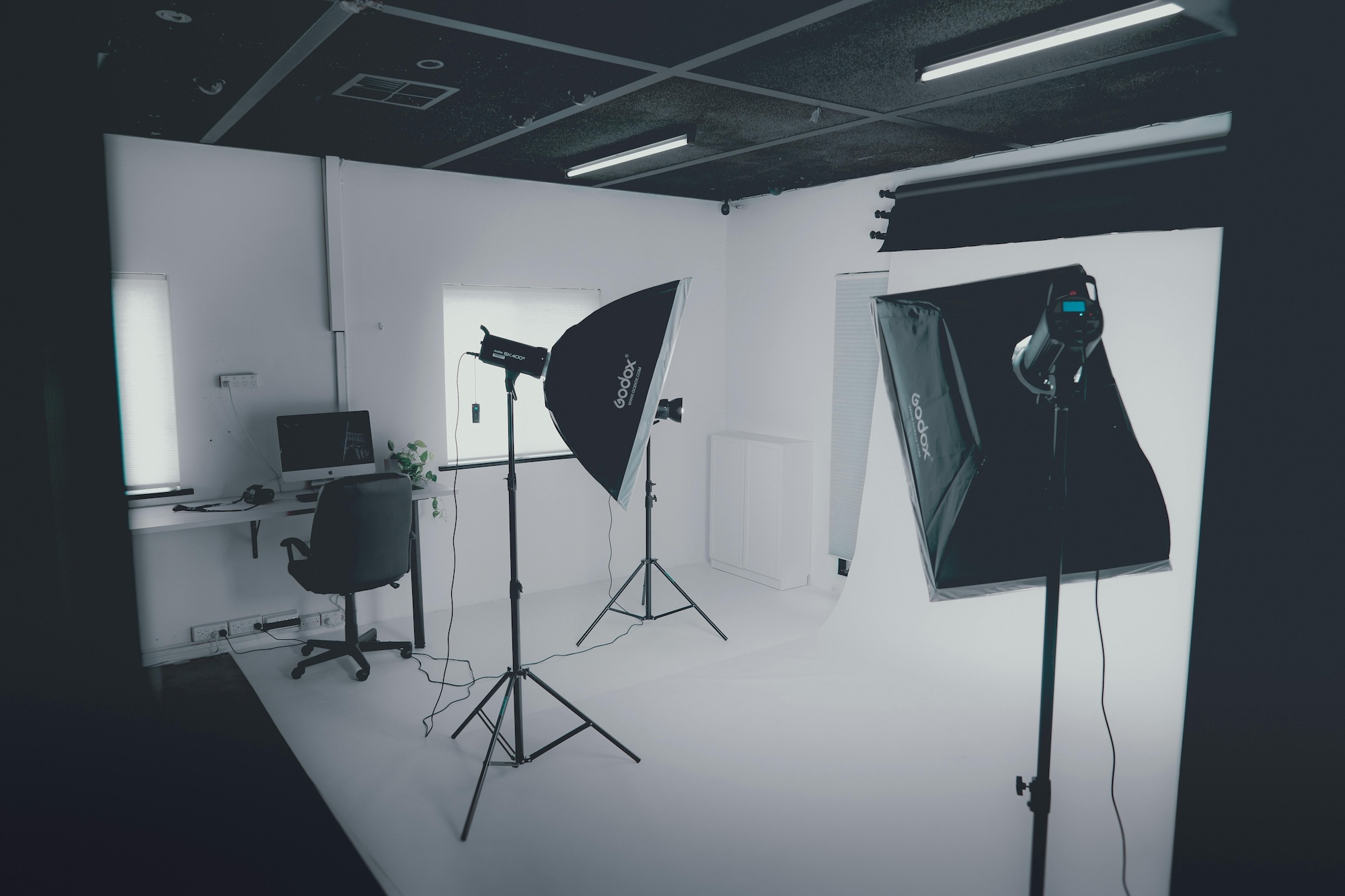
Every successful studio starts with what you don’t see in the photos: its infrastructure. Reliable electrical access, climate control, and soundproofing might not be glamorous, but they form the backbone of a productive space.
Electrical logistics are a prime example. Power outlets should be abundant and accessible so you’re not running extension cords across the floor or losing valuable time rearranging gear. Many modern studios use track-based systems that allow equipment to be powered anywhere in the room, streamlining setups and minimizing clutter.
Climate control is another overlooked element. Overheated lights can shift color temperature, humidity damages sensitive equipment, and poor ventilation makes long sessions unbearable for both clients and crew. A studio should provide comfort as well as stability, a reliable environment where technical and creative elements can perform at their best.
Soundproofing may not matter for every type of shoot, but if you’re recording video with live audio, outside noise can be a dealbreaker. Even in still photography, a quiet environment helps subjects stay focused and relaxed.
Finally, layout plays a subtle but powerful role. Dressing rooms, storage, and shooting spaces should flow naturally. Narrow passages, awkwardly placed furniture, or blocked windows can make a small studio feel cramped and unprofessional. Even if your space is limited, thinking carefully about how people move through it will pay off in efficiency.
Style as a Working Tool
Once the essentials are in place, style comes into play. We’re not talking about style as decoration, but as more of a tool. A studio’s look should enhance creativity, set the right tone for clients, and reinforce your brand.
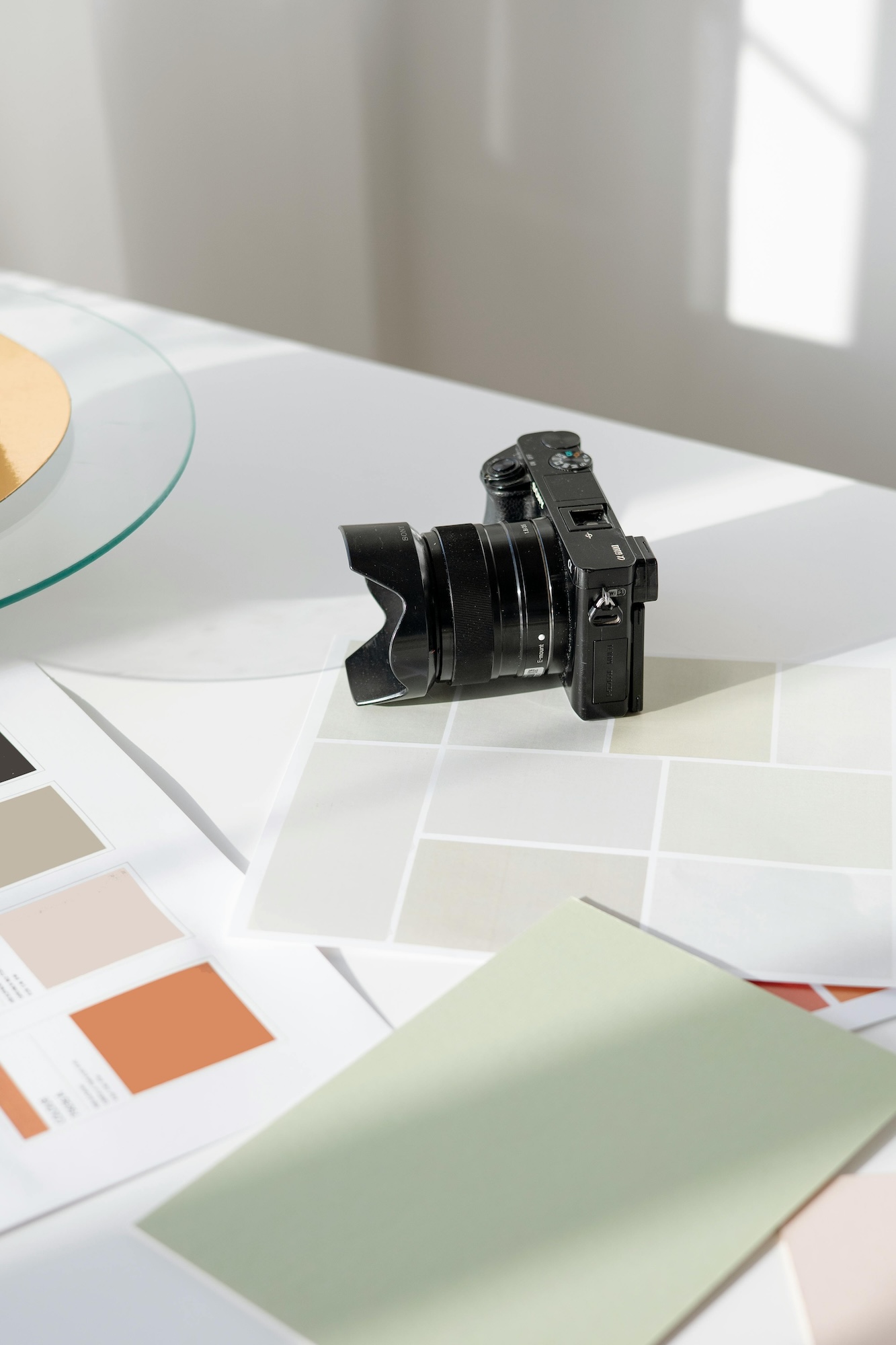
Color and light are especially influential. The shade of your walls and the quality of your ambient light affect not only the photographs but also how people feel in the space. Neutral tones provide flexibility for different setups, while darker walls absorb excess light and help control spill. Studies show that lighting and spatial psychology can boost creativity and reduce stress, meaning these choices impact productivity as much as aesthetics.
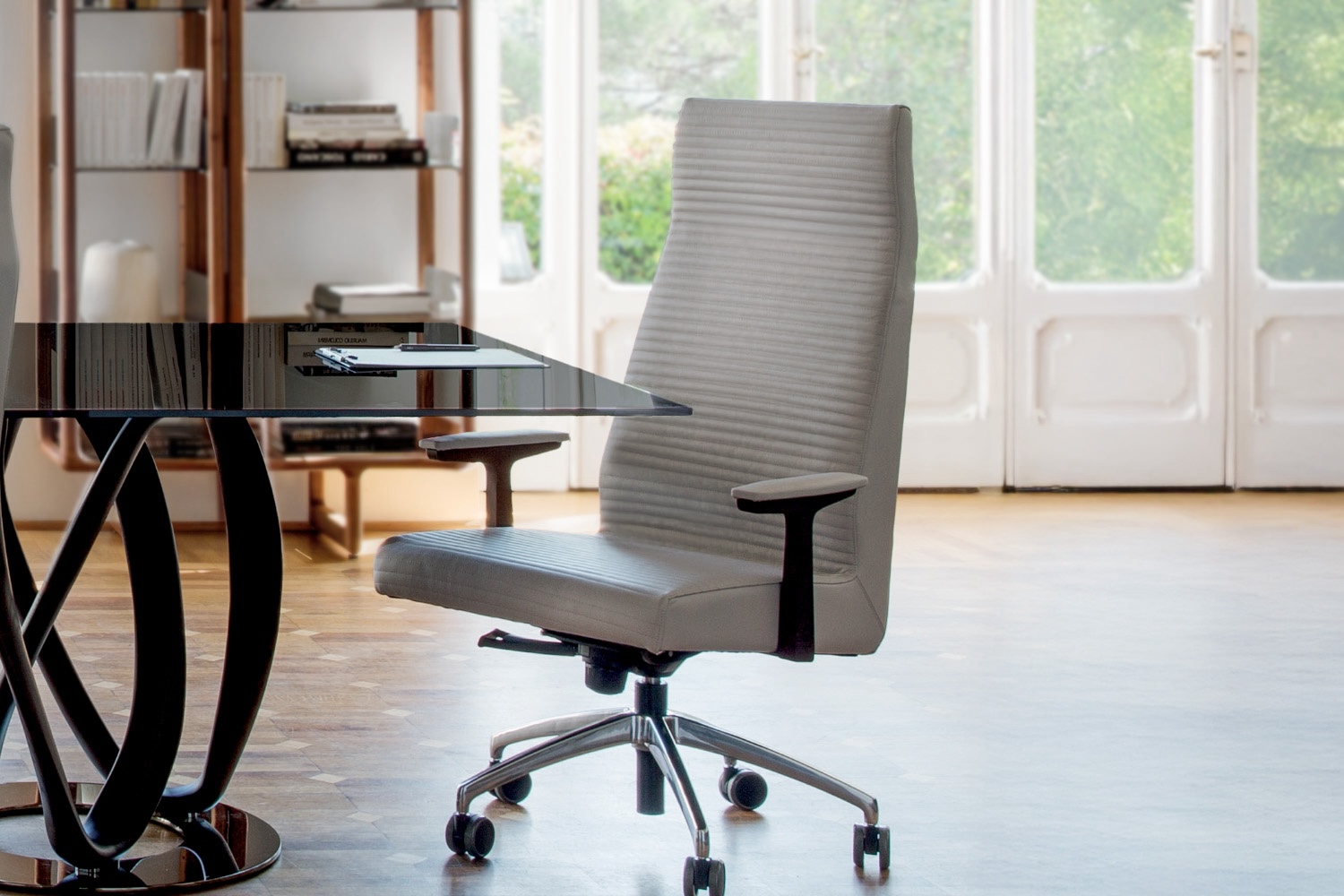
Furniture matters, too. Comfortable seating for clients and ergonomic work surfaces for the team make long sessions easier and more professional. Modern Italian furniture is often cited for blending style with ergonomics, but the brand isn’t what matters, it’s the principle.
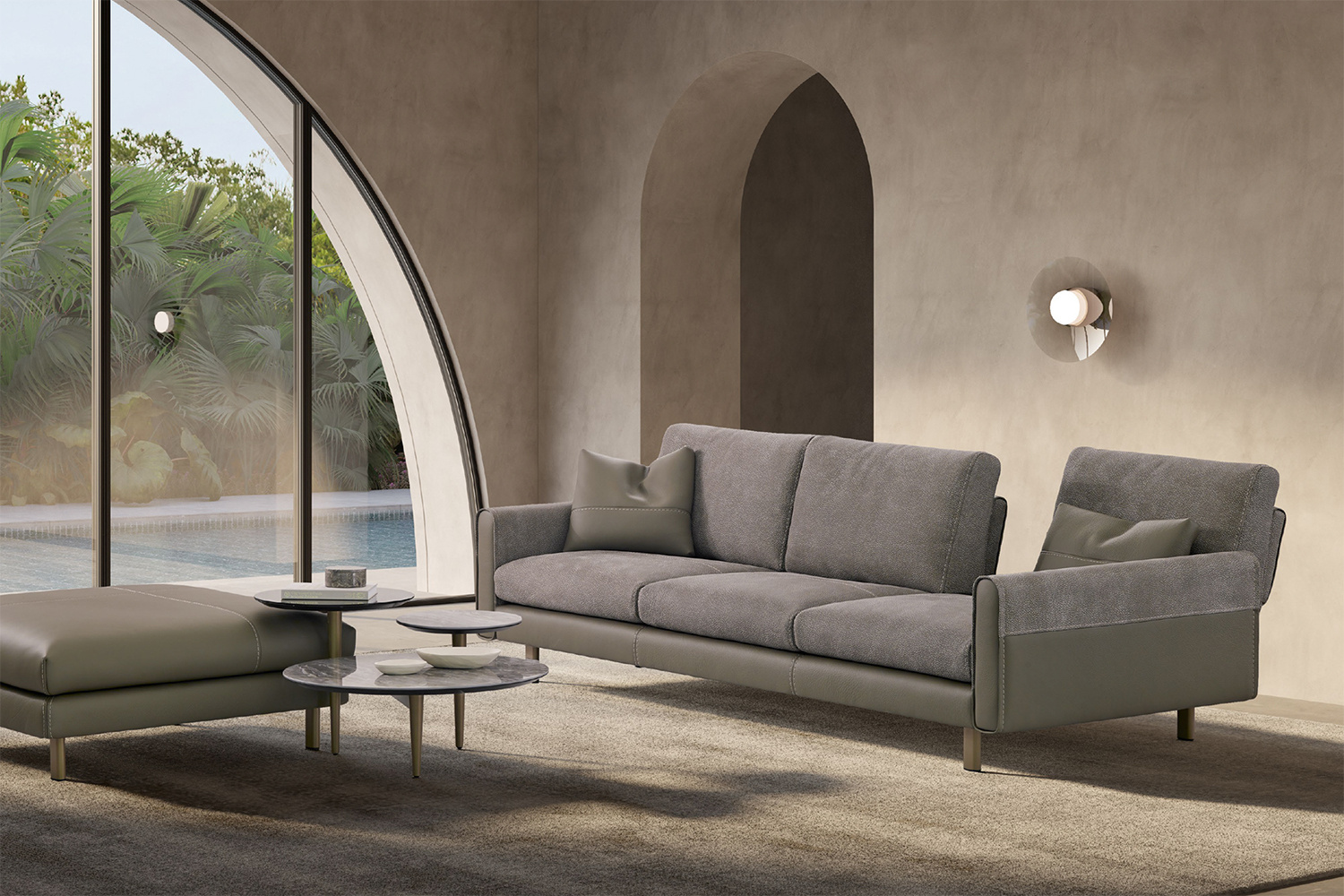
Choose pieces that look good, feel comfortable, and withstand the demands of daily use. Materials also influence atmosphere: wood warms the room, glass expands it visually, and metal emphasizes a sleek, technical vibe.
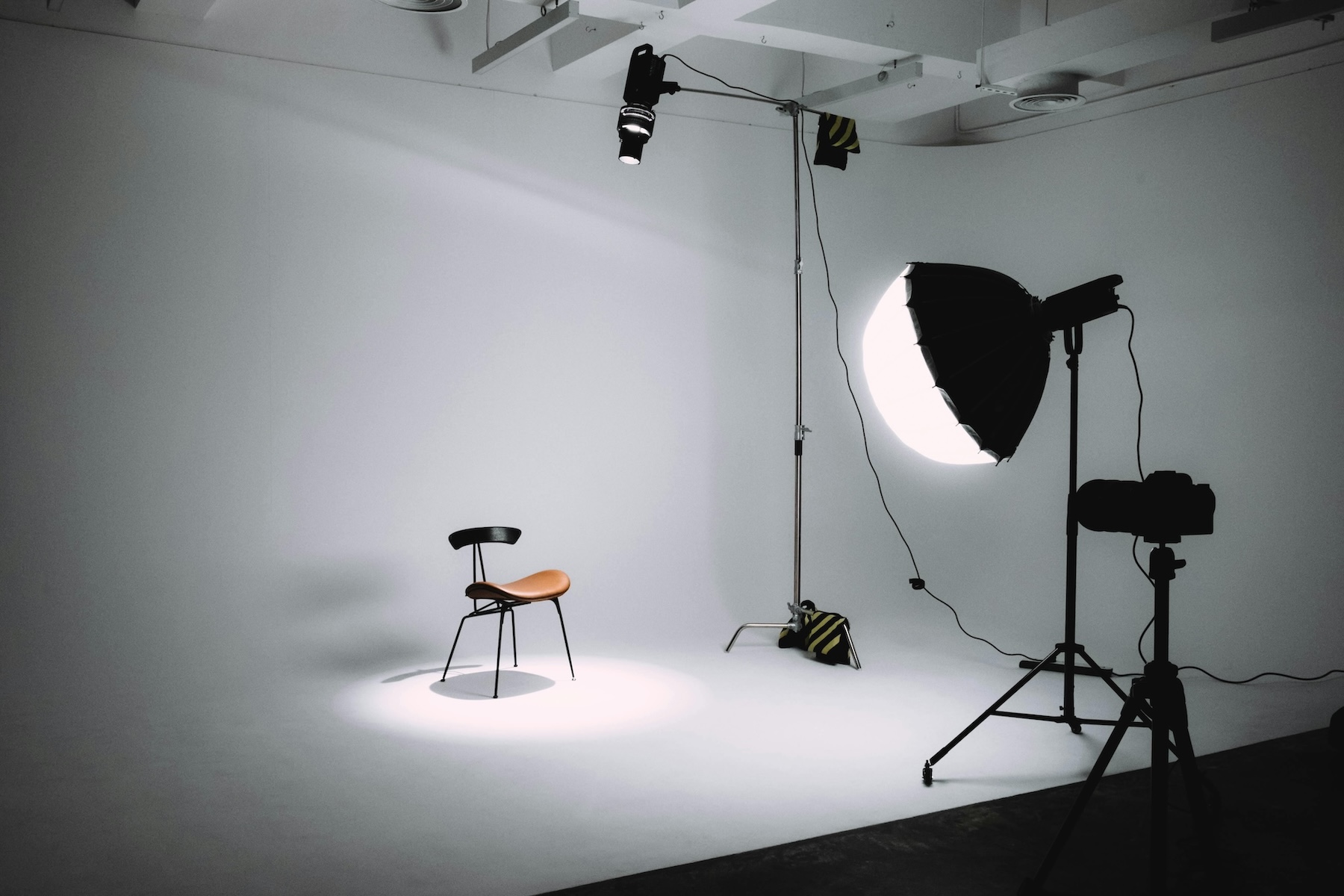
And don’t overlook ambient lighting. Beyond your strobes and modifiers, consider the fixtures that shape the room itself. Dimmers and hidden lighting can set mood without interfering with your key light, while accent lights add subtle depth to the space. This creates a professional environment that feels intentional even when the main lights are off.
Practical Solutions for Flexibility
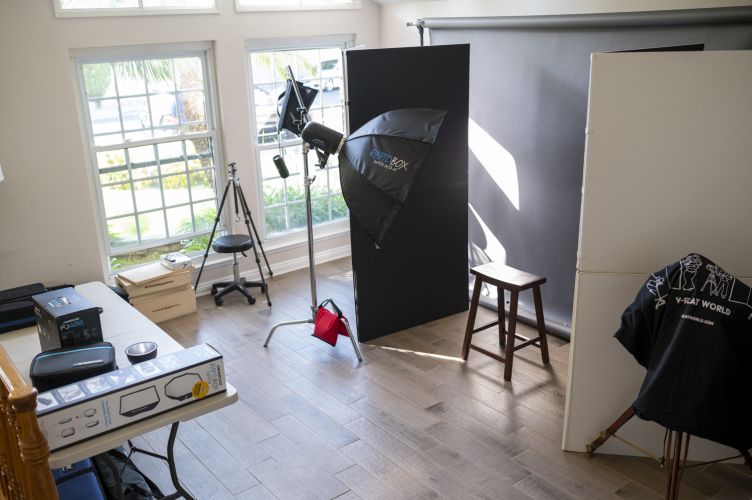
Not every photographer has access to a sprawling warehouse studio, and that’s okay. With the right systems, even modest spaces can feel efficient and versatile.
Mobile equipment is a game-changer. Wheeled carts for gear, rolling backdrop systems, and folding tables make it easy to transform the studio on the fly. Instead of spending valuable time moving heavy setups, you can adapt quickly between looks.
Smart storage keeps chaos under control. Built-in cabinets can hide bulky gear, wall-mounted racks maximize vertical space, and cable management systems eliminate tripping hazards while keeping the room clean. Labeling and organizing accessories saves time and communicates professionalism to clients.
Zoning is another way to stretch your square footage. Sliding partitions or modular platforms let one space serve multiple purposes: shooting, client prep, and storage. With creative use of partitions, you could even run a headshot session in one corner while prepping for a styled shoot in another.
These simple, flexible solutions allow you to get more from less and make a small studio feel bigger and more professional.
Why Space Design Matters for Clients and Teams
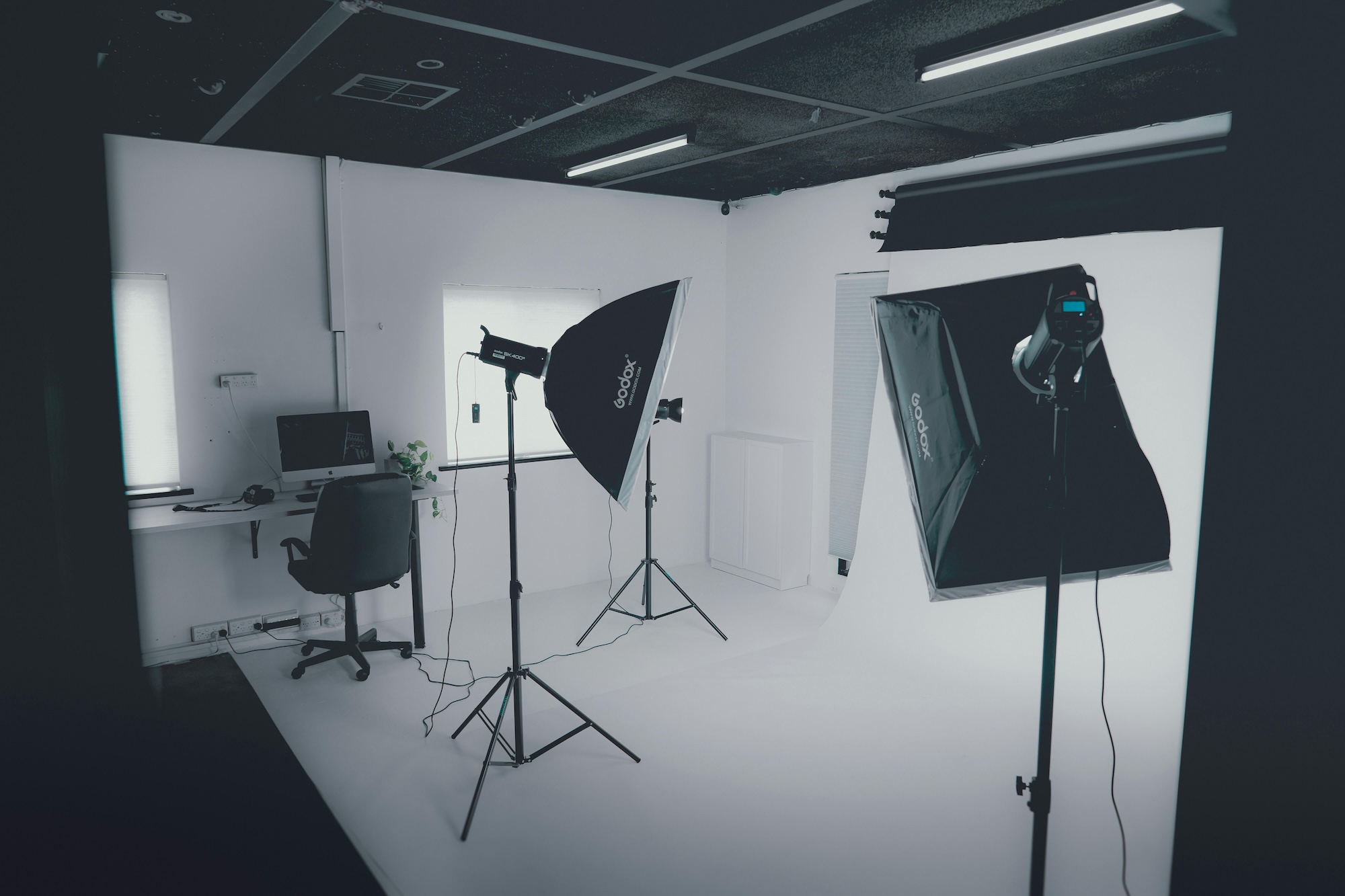
A well-designed studio pays off in two major ways: how clients experience your brand and how your team performs.
Clients form impressions instantly. A clean, inviting waiting area reassures them of your professionalism before you even take the first shot. Dressing rooms and prep areas that feel comfortable help them relax and get into the right mindset for the session. In this way, your studio is as much a marketing tool as your website or portfolio.
For the team, environment directly impacts performance. Scientific studies confirm that ergonomic setups reduce pain and improve productivity. Organized, aesthetically pleasing spaces reduce stress and help everyone stay focused during long sessions. Assistants can move faster, photographers can work more intuitively, and clients pick up on the positive energy.
Over time, investing in your space also builds reputation. Clients are often willing to pay more for a premium experience, and durable, high-quality layouts save time and money compared to constant replacements or workarounds.
Principles of a Balanced Studio
When it comes to building or upgrading a studio, the guiding principle is balance. Ask of every element: Why is it here? Form without function creates distractions, while function without aesthetics dampens inspiration and weakens your brand. The sweet spot lies in design choices that serve both purpose and presentation.
Most importantly, don’t just copy what works for another photographer. Your workflow, your gear, and your clients are unique. Use proven best practices as a starting point, then adapt them to create a space that reflects your own style and supports your long-term goals.
Final Thoughts
A modern photo studio should do more than house your equipment. It should inspire creativity, communicate professionalism, and make every shoot run more smoothly. By blending solid infrastructure with thoughtful design, you can create a space that strengthens your brand, boosts productivity, and delivers a better experience for everyone who walks through the door.