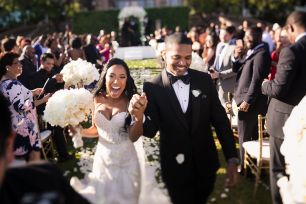
Hindu weddings are among the most photographically rich events you’ll ever shoot. Unlike a typical western ceremony that wraps in 30 minutes, a Hindu wedding ceremony involves 15 or more distinct ritual moments, each with its own visual language, emotional arc, and positioning challenge. Miss the antarpat drop during the Muhurtham and you’ve lost one of the most anticipated frames of the day. Show up without knowing where the Mangal Phera starts and you’re scrambling while the couple is already circling the fire.
This Indian wedding photography guide covers every major ritual in a Hindu wedding ceremony, in the order they typically occur, with specific notes on where to position, what to anticipate, and how to tell the story of each moment.
A complete resource for photographers covering every stage of the wedding day, from pre-ceremony traditions through the final send-off.
Hindu wedding ceremony moments, in order
- Milni
- Standard Processional & Ganesha Pooja
- Kanya Aagaman
- Muhurtham
- Kanyadaan
- Vivaah Homa
- Laaja Homam
- Mangal Phera
- Mangalsutra
- Saptapadi
- Kansar
- Ring Exchange
- Ashirwad
- Recessional
- Vidaai
A note on Hindu and Indian wedding traditions
Various aspects of Hindu traditions have blended deeply into Indian culture over generations. As a result, even families not practicing Hinduism often observe these same ceremonies during important events like weddings. What was once rooted specifically in Hindu religious practice has become part of the broader wedding tradition for Indians of many faiths. That matters for photographers: do not assume the family is practicing Hindus, and do not skip your pre-wedding consultation just because you’ve shot Hindu ceremonies before.