Rear curtain sync, also referred to as second curtain sync, is a flash photography technique in which the camera’s flash fires at the end of the exposure, just prior to the closing of the rear (second) shutter curtain.
Mechanism (How it Works)
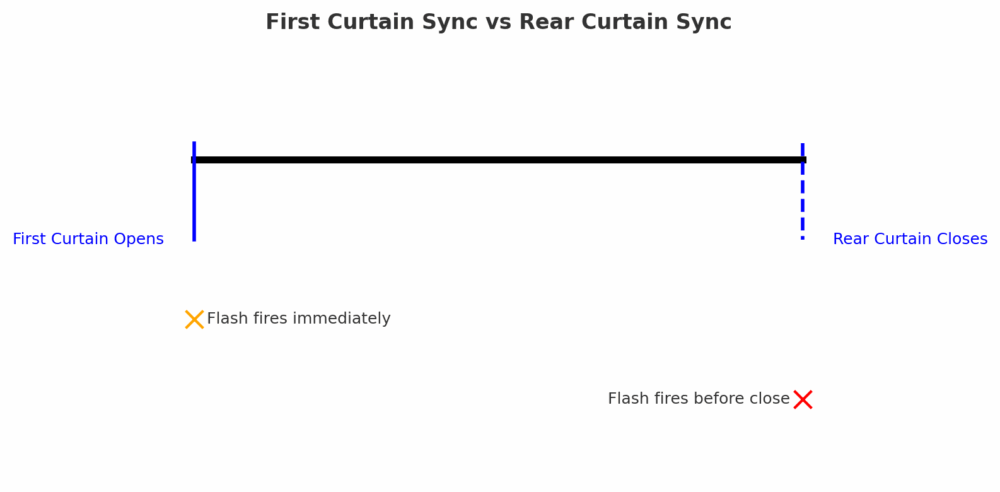
In cameras equipped with focal-plane shutters, exposure is managed by two curtains: the front (first) curtain, which opens to initiate light capture, and the rear (second) curtain, which closes to terminate it.
In standard front curtain sync, the flash fires immediately after the front curtain opens. Conversely, rear curtain sync delays the flash until just before the rear curtain closes.
Visual Impact
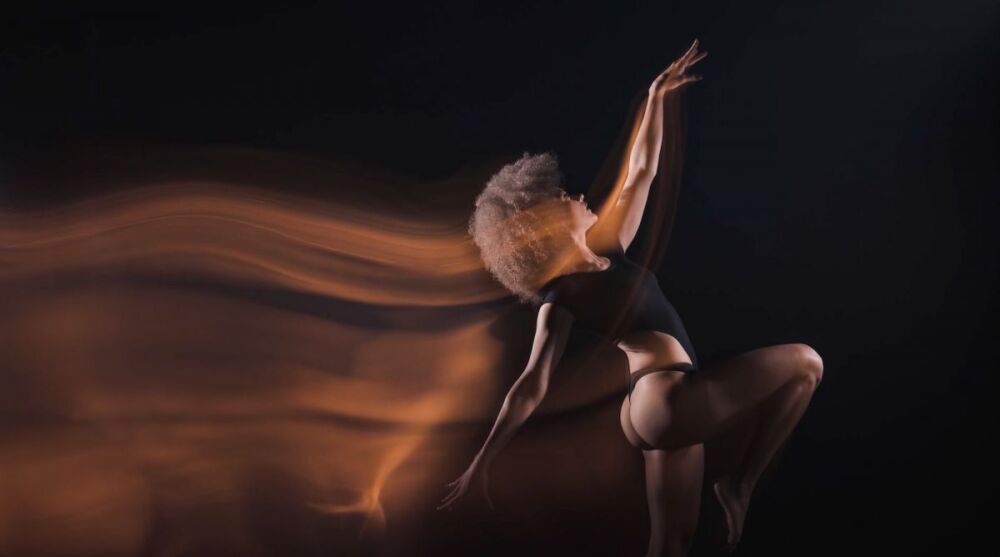
Front curtain sync often results in motion blur appearing ahead of the subject, which can appear unnatural. Rear curtain sync reverses this effect, positioning the blur behind the subject, aligning with how motion is perceived in reality. This technique is particularly valued for:
- Capturing light trails from moving objects, such as vehicles or handheld light sources.
- Documenting action in low-light settings where ambient light contributes to the exposure.
- Creating artistic portraits with intentional background streaks for visual effect.
Practical Application
Rear curtain sync is typically available in modern DSLR and mirrorless cameras as a selectable flash mode, often labeled as “Rear,” “2nd Curtain,” or “2nd Sync” in the camera or flash unit’s settings. To achieve optimal results:
- Select a slow shutter speed, such as 1/15 second or longer, to allow motion blur to form.
- Activate rear curtain sync via the camera or flash settings.
- Ensure the presence of ambient light and subject motion to produce the desired trailing effect.
This technique can be enhanced by combining it with advanced lighting methods, such as off-camera flash, colored gel filters, or multiple flash exposures, to achieve creative outcomes.
Related Articles to Rear Curtain Sync Definition

HSS vs ND Filters | The Best Way to Sync Flash