
When it comes to e-commerce, images often decide whether a customer stops to click or keeps scrolling. Platforms like Etsy thrive on visuals. Shoppers rarely hold products in their hands before buying. Instead, they rely on product photography to tell the story, showcase quality, and create trust.
Traditionally, producing compelling e-commerce photos required professional cameras, lighting setups, or expensive studio sessions. There was also a significant investment of time required to master techniques to design a set, as well as light, capture, and edit the product photos. But, as artificial intelligence continues to push into creative industries, the way product imagery is created is starting to shift, as are the particular roles we play in creating it. Tools that once felt experimental are becoming accessible, making it easier for small sellers to compete visually. It is equally important for both online merchants and photographers to understand this shift and know which tools they can use to best navigate the path forward.
At a Glance: Key Takeaways from Our Look at AI-Driven Product Photography
- E-commerce demands volume & consistency – Sellers need hundreds of polished images across catalog, lifestyle, ads, and social platforms.
- AI speeds up the workflow – Background removal, image enhancement, and distraction cleanup take minutes instead of hours.
- Lifestyle scenes at scale – AI background generators create photorealistic settings, helping products feel relatable and aspirational.
- Apparel without models – Digital mannequins cut costs while offering versatile ways to showcase clothing.
- Impact on photographers – AI reduces repetitive editing tasks, freeing photographers to focus on creative direction, storytelling, and brand strategy.
- Opportunity, not replacement – Human expertise in emotion, mood, and narrative keeps professional photography indispensable.
The Growing Demands of E-Commerce Photography

Running an online store today is about much more than having a great product. The products also have to look great in the images used to sell them. For this reason, merchants must create images at scale, often producing several types of photos for each item. This might include everything from a clean catalog shot to lifestyle imagery, as well as variations tailored for ads or social media. For stores with dozens of listings, that quickly turns into hundreds of images, making photography one of the most time-consuming aspects of running a shop.

The pressure doesn’t end there. Platforms like Etsy enforce strict photo standards, requiring images to be clear, well-lit, and consistent. Shoppers scrolling through feeds are quick to skip listings that feel unpolished or distracting. Yet achieving this level of consistency is difficult for sellers who lack studio equipment or professional training. Balancing creativity with budget constraints adds another layer of stress, since not every shop can afford to hire photographers or invest in gear.
The result is a constant struggle: sellers know that imagery is central to sales, but the cost, time, and technical demands of producing those images often feel overwhelming.
The Rise of AI in Visual Content Creation

This is where artificial intelligence has begun to transform the process. AI-powered editing tools allow sellers to remove or replace backgrounds instantly, generate lifestyle settings that show products in context, and enhance image quality so listings look polished across platforms. Some even go further, offering digital mannequins or customizable props for apparel and lifestyle products.
While early versions of these tools were criticized for looking artificial or producing results that felt out of step with brand identity, recent advances have made AI editing more realistic and adaptable. The technology is steadily shifting from novelty to necessity, providing solutions that are not only faster but also more flexible than traditional workflows.
X-Design’s Approach: A Case Study
One company exploring this space is X-Design, whose AI Photo Editor 1.0 was developed specifically with Etsy merchants and small e-commerce sellers in mind. Rather than requiring hours of setup or costly equipment, the tool focuses on simplifying some of the most common visual challenges sellers face. We’ll take a closer look at some key features—beyond the many design templates and tools—that help make AI tools like this practical for handling the photo needs of online marketplaces.
1. Image Background Remover and Image Enhancer
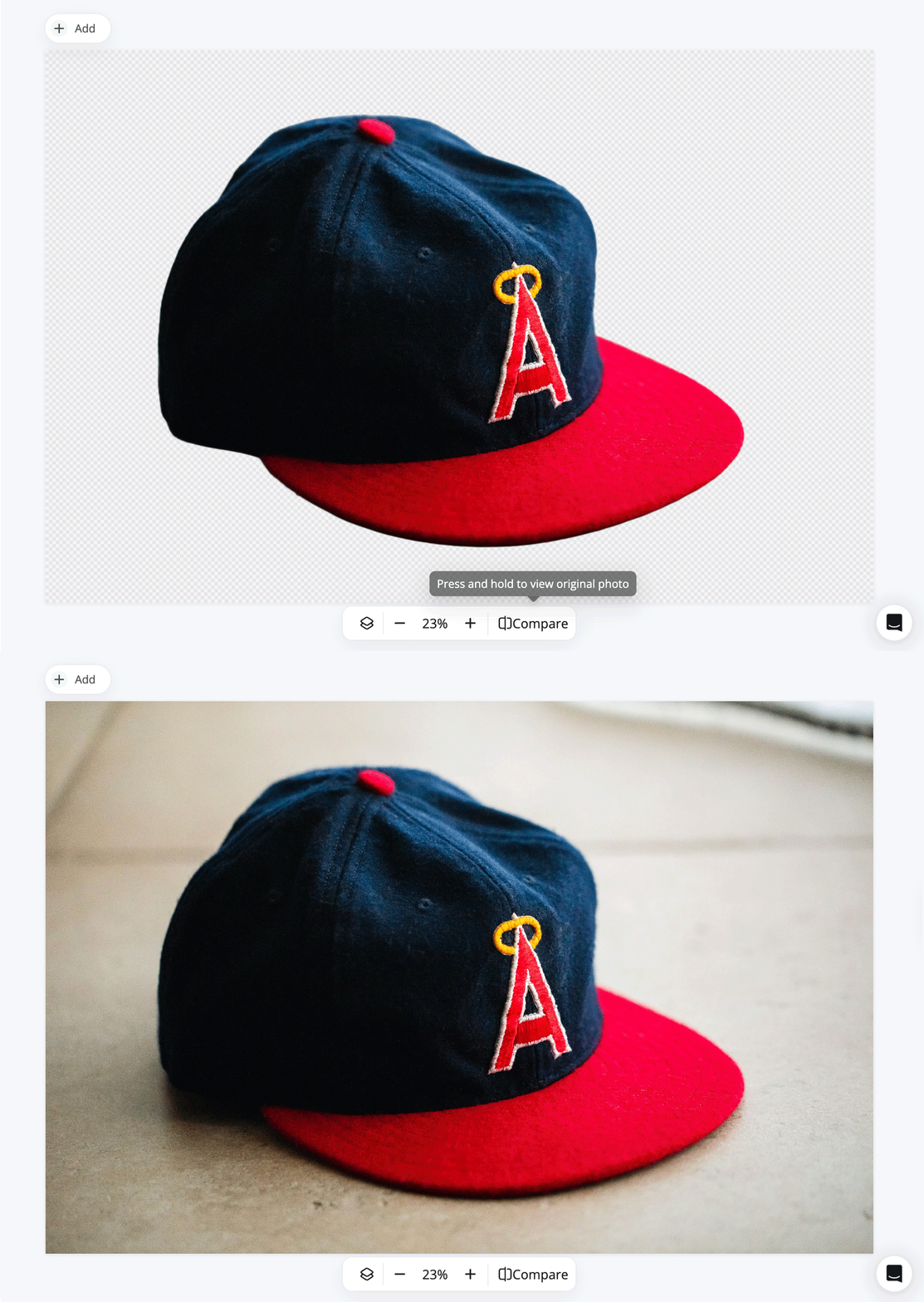
If you already have a professional studio setup, then you can use that. If you don’t, and your backdrops are less than ideal, removing your product from the actual environment in which it’s photographed is step one. In the early days of AI’s attempts to remove backgrounds, the results were sloppy more often than not. And before that, you’d have to use a pen tool inside of Photoshop or a similar app, and spend a long time cutting out the object you want to remove.
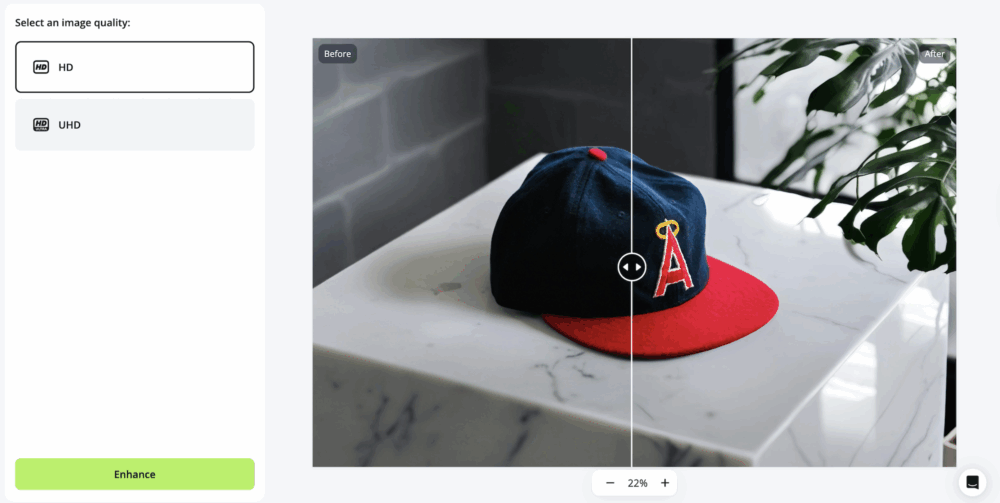
Now, X-Design’s background remover makes it easy to create clean cutouts suitable for catalogs or platform thumbnails, while the Image Enhancer boosts resolution for sharper-looking results in high-definition or ultra high-definition. As you’ll see with other features noted in this case study, it works quickly and the results are solid.
2. AI Background Generator
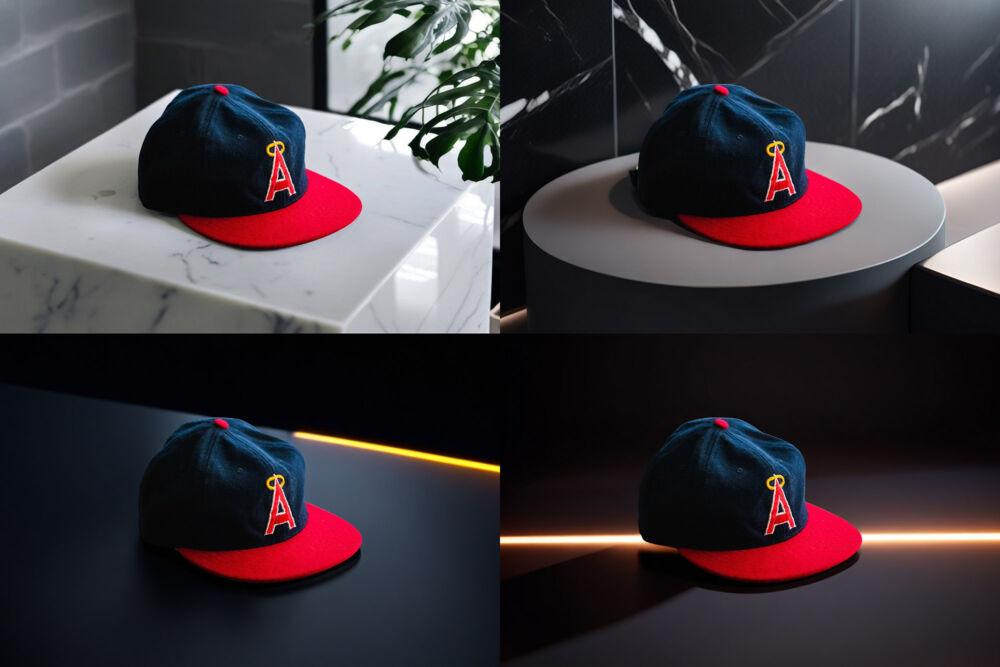
Right out of the gate, this is one of X-Design’s most impressive features. X-Design background generator enables products to be placed in realistic lifestyle scenes with the click of a button (and slight adjustments to tools like position, layout, and angle, if necessary), and it only takes a few seconds to produce a variety of options. This feature allows customers to picture items in studio settings, against the wall, on the floor, near a window, and so on. Most importantly, the results are believable, photorealistic, and not distracting, leaving the focus on the product itself.
3. AI Object Remover
While it’s best to clean up the room in real life and get the image as close to finished as possible in-camera, we sometimes overlook details that we don’t notice until we bring our photos into post. Features like the object remover provide additional flexibility for cleaning up your images after the fact.
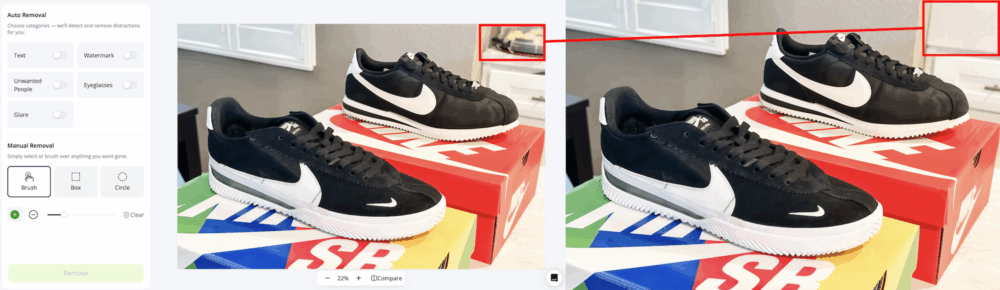
The object remover allows sellers to strip away props or distractions without compromising image quality, and it doesn’t require any experience with apps like Photoshop. If you don’t like the initial results, you can try again for a different look. To further simplify the process, you can pre-select objects like text, watermarks, unwanted people, and more, and X-Design will automatically detect those objects and remove them.
4. AI Model Mannequin
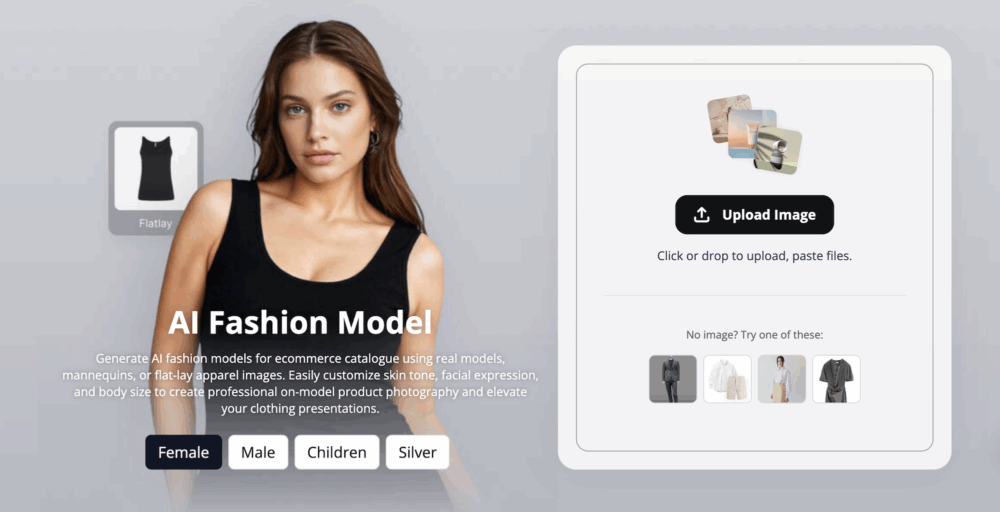
For those selling apparel, the AI model mannequin offers a way to showcase clothing on customizable digital models, cutting the expense of hiring talent for every shoot. AI model mannequins also appeal to a wide demographic as you can choose from a variety of model types.
Together, these tools are designed to reduce the time it takes to prepare images from hours to minutes, giving small sellers the ability to keep up with the relentless demand for fresh content.
What This Means for Photographers
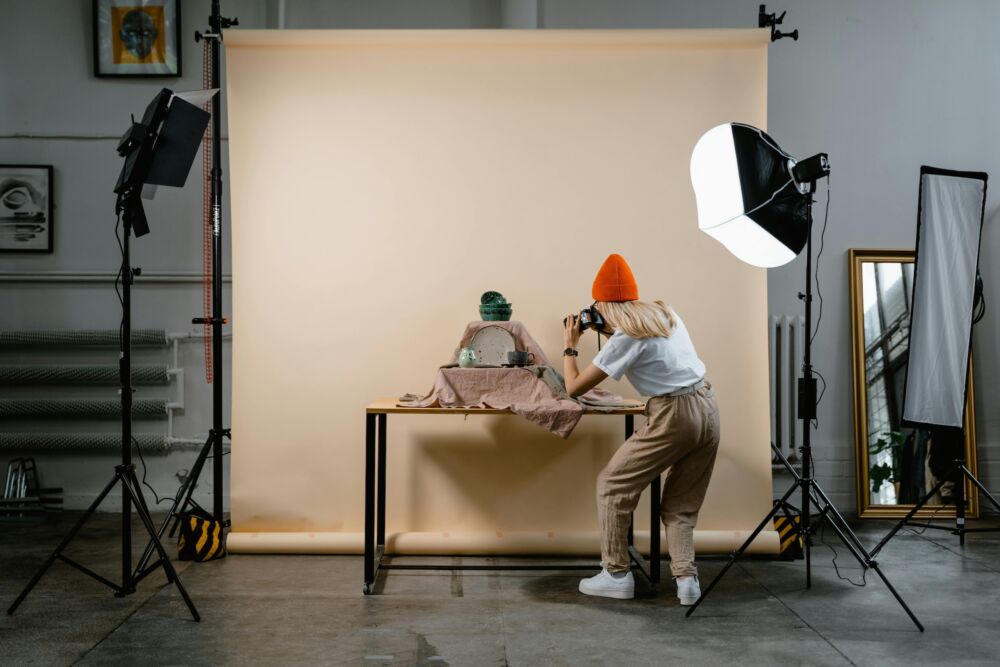
Now, for professional photographers, don’t be alarmed. It’s true, the rise of AI in product photography brings a mix of challenges and opportunities. On one hand, these tools are empowering small merchants to handle basic imagery on their own, often bypassing the need for professional studio shoots. On the other, they highlight where the unique value of photographers still lies.
Routine tasks like cutouts, background swaps, and simple enhancements may increasingly be handled by AI. But the conceptual, creative, and brand-defining aspects of photography remain areas where human expertise is indispensable.
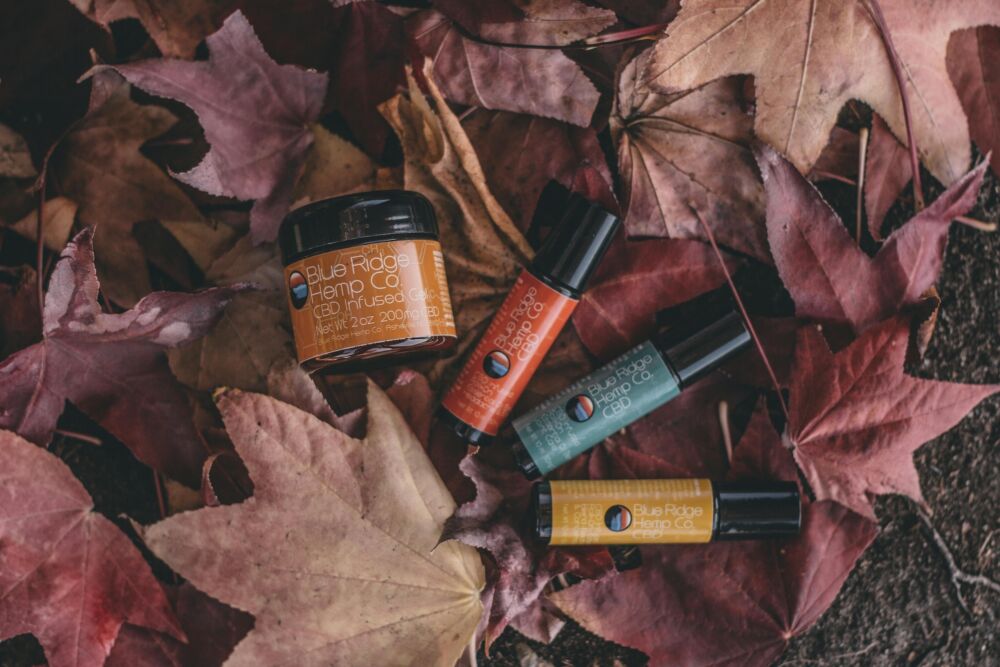
Storytelling, visual strategy, and the ability to capture mood and emotion are things that algorithms can’t replicate. As AI takes over some of the more repetitive tasks, photographers may find that their work shifts toward becoming brand partners and creative directors rather than technicians. The state of the industry is evolving. While change can cause worry up front, it’s important to be able to pivot as needed. There are still plenty of worthwhile opportunities to be found.
Final Thoughts
AI won’t eliminate the need for product photography. Instead, it is simply reshaping the field. For Etsy sellers and small businesses, it offers a lifeline, a way to compete visually without massive budgets or technical know-how. For photographers, it’s a reminder that their value rests in creativity, vision, and storytelling, the aspects of the craft that go beyond technical execution.
Tools like X-Design’s AI Photo Editor 1.0 highlight just how quickly the landscape is changing. The smartest approach is not to resist these innovations, but to understand them and incorporate them into existing workflows.